
Wheat Flour Machinery Manufacturer: Key Factors to Consider for Your Milling Business
2026-07-12
Setting up or upgrading a flour milling business demands reliable equipment, and choosing the right wheat flour machinery manufacturer can make or break your success. While many focus on capacity and price, hidden factors like after-sales support, energy efficiency, and engineering expertise often determine long-term profitability. At PINGLE, we’ve seen first-hand how these overlooked details impact millers’ bottom lines. In this post, we’ll unpack the critical considerations that go beyond the brochure—insights that could save you from costly mistakes and help your business thrive. Ready to rethink your selection criteria?
Pinpointing Your Production Needs and Capacity Goals
Understanding the exact volume and type of output required begins with a detailed look at your production floor. Are you consistently hitting daily targets, or is unexpected downtime causing a ripple effect in your supply chain? This step goes beyond simple calculations; it digs into workflow bottlenecks, seasonal demand spikes, and the true potential of your current equipment under peak conditions.
Capacity goals aren’t just about reaching a higher number—they’re about aligning your assets with a realistic growth trajectory. It’s essential to map resource allocation against projected orders, factoring in maintenance windows and operator shift patterns. By breaking down your operations into measurable segments, you gain the clarity needed to decide whether incremental upgrades or a complete overhaul will deliver the most value without overextending your budget.
Translating these insights into action means prioritizing flexibility. Markets shift, and what works today might strain under tomorrow’s demands. A thorough needs assessment accounts for material variations, lead time fluctuations, and the ability to pivot without major disruptions. The goal is a balanced system where output consistently meets quality standards while leaving room to absorb unexpected surges or explore new product lines.
Evaluating Build Quality and Long-Term Reliability
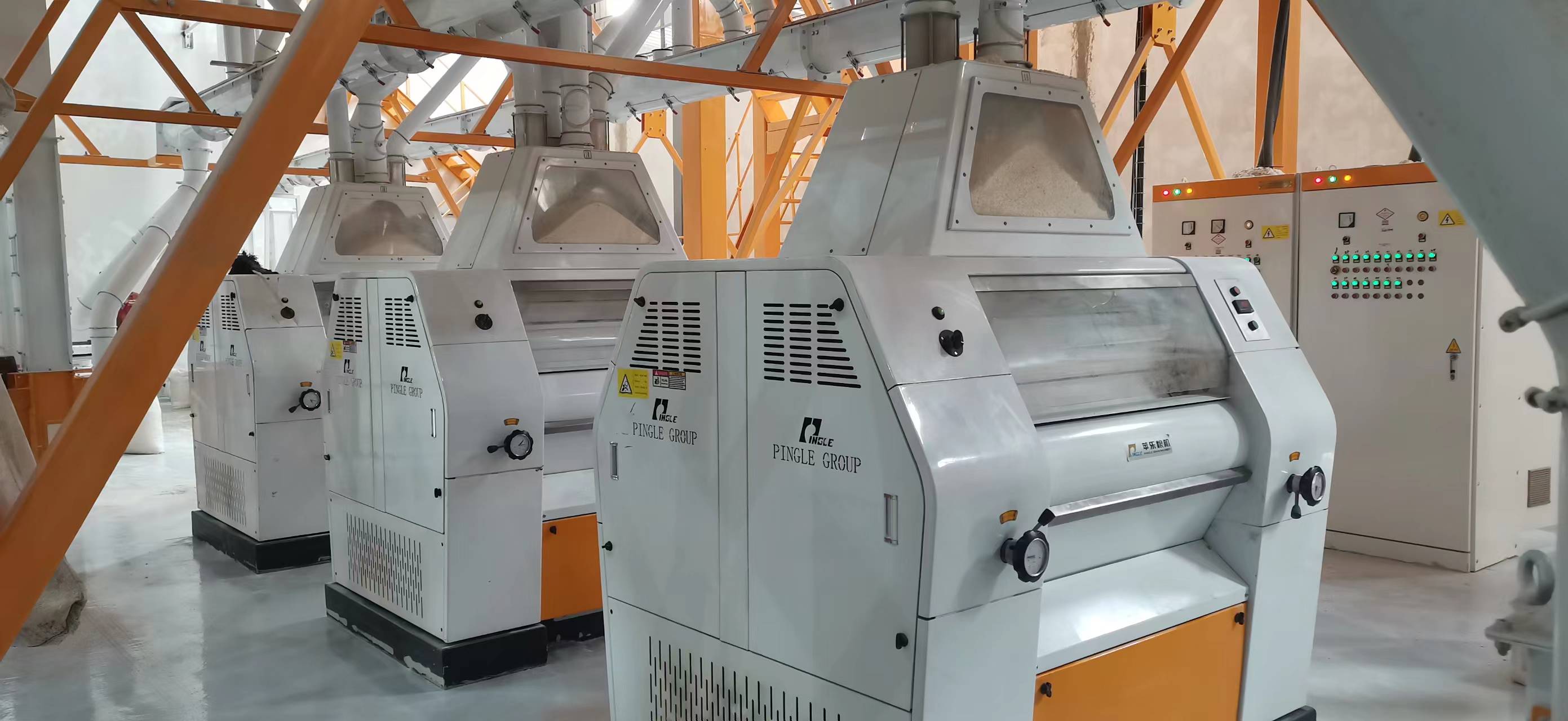
True assessment of build quality starts with material choices, but it’s in the joints and hidden details that you’ll find the real story. Check for even seam gaps, smooth edge finishes, and the way different materials meet—these small cues often reflect the care taken during assembly.
Long-term reliability isn’t about how a product looks on day one; it’s about how it holds up under quiet, everyday stress. Lightly twist a frame or apply gentle, consistent pressure to a panel—any subtle give or creak can hint at future failures. Real-world feedback from users who’ve lived with the item for months is far more telling than lab tests alone.
Prioritizing Energy Efficiency Without Sacrificing Output
Balancing high performance with lower energy consumption isn't just a technical challenge—it's a mindset shift. Many assume that cutting power usage inevitably means slower operations or reduced throughput, but real-world systems prove otherwise. By rethinking workflows and adopting smarter resource allocation, it's possible to maintain, or even boost, output while drawing less power. The key lies in eliminating waste rather than throttling capabilities.
One approach is to use adaptive technologies that adjust energy draw based on real-time demand. For instance, variable-speed drives and intelligent cooling systems can scale down during low-activity periods without compromising responsiveness when workloads spike. This dynamic tuning keeps everything running smoothly while shaving off unnecessary consumption. It's not about doing less—it's about doing the same amount of work more intelligently.
Equally important is fostering a culture that questions default settings. Often, equipment runs at full capacity out of habit, not necessity. Simple audits and incremental tweaks can uncover surprising headroom. When teams start treating energy as a design parameter rather than an afterthought, they discover that efficiency and productivity are not opposing forces—they amplify each other.
Assessing After-Sales Support and Spare Parts Availability
When investing in industrial equipment, the conversation often centers around specs and price, but what happens after the purchase is just as critical. A manufacturer’s commitment to after-sales support can make or break your operation when something goes wrong. Response times, technician expertise, and the availability of remote troubleshooting all play into how quickly you get back online. Don’t just take the sales pitch at face value—reach out to current users and ask about their real-world experiences. A company that stands behind its products won’t hesitate to share references or case studies detailing how they’ve handled emergencies. Look for evidence of a structured support system, not just a promise to “try their best.”
Spare parts availability is the other side of the reliability coin. Even the most durable machines need consumables and occasional replacements. The key question isn’t whether parts are in a catalog somewhere—it’s whether they’re physically close when you need them. Investigate where regional warehouses are located, typical shipping times, and whether critical components are stocked locally or must be flown in from overseas. Some vendors boast about “lifetime support” but then force you to wait weeks for a single bearing. Dig into their inventory management practices: do they use predictive stocking based on your usage patterns, or is everything made to order? The goal is to avoid turning a minor repair into a prolonged shutdown because a seal or sensor is on backorder.
Beyond the emergency scenarios, ongoing support shapes the total cost of ownership. Technicians who receive regular training from the OEM are more likely to catch issues before they escalate. Similarly, clear documentation and accessible technical bulletins empower your team to handle routine maintenance without outside help. When evaluating a supplier, treat their spare parts network and support policies as an extension of the machine itself. A seemingly cheaper equipment option can quickly become the most expensive if you’re forced to maintain your own stockpile of critical spares or pay a premium for expedited shipping every time a fault occurs. Every hour of downtime has a dollar figure—make sure the people selling you the machine have a concrete plan to minimize it.
Technology Integration: Automation and Smart Monitoring
Weaving automation into daily operations transforms mundane tasks into self-sustaining workflows, slashing manual oversight and human error. Smart sensors and connected devices gather real-time data, feeding into algorithms that adjust parameters instantly—no human touch required. This quiet intelligence hums in the background, adapting schedules, predicting maintenance needs, and rerouting resources fluidly, so teams can focus on bigger-picture strategy instead of chasing routine alerts.
What makes today’s monitoring truly “smart” is its ability to learn from patterns and anticipate breakdowns before they ripple outward. Think of it as a digital nervous system: temperature shifts, vibration anomalies, or minor pressure drops trigger automated responses that nip problems in the bud. The result isn’t just faster reaction times—it’s a steep drop in downtime and a longer lifespan for critical assets. Over time, the system grows sharper, fine-tuning itself based on historical data and subtle trends that human operators might miss.
Integration is the glue that holds this together. Standalone tools rarely deliver breakthrough results; it’s the seamless conversation between hardware, software, and cloud platforms that unlocks true efficiency. APIs and edge computing ensure that data flows securely from the factory floor to the dashboard, giving decision-makers a unified view without drowning them in noise. By blending automation with intelligent oversight, companies aren’t just keeping pace—they’re building an operational backbone that evolves with the business, quietly driving consistency and resilience every single day.
Cost Transparency: Beyond the Initial Investment
When evaluating a purchase or partnership, the upfront price tag often steals the spotlight – but it rarely tells the whole story. True cost transparency means peeling back the layers to reveal what happens after the contract is signed: maintenance fees, training requirements, integration complexities, and even the hidden costs of downtime during onboarding. Without this clarity, businesses risk budget blowouts and strained relationships, all because they failed to look past the glossy initial quote.
A transparent cost breakdown doesn’t just protect your bottom line; it reshapes how you weigh value. For instance, a cheaper software subscription might demand extensive customization or added modules later, while a pricier alternative could bundle those features from day one. By demanding full lifecycle pricing – including scaling costs, renewal hikes, and service-level guarantees – you gain the power to compare offers on equal footing, sidestepping the lure of a low entry price that balloons over time.
Beyond the numbers, cost transparency fosters trust and accountability. Vendors who openly discuss long-term financial implications signal confidence in their product’s staying power and a commitment to your success. This dialogue helps you avoid the ‘gotcha’ moments that erode partnerships, turning a transactional exchange into a strategic alliance where both sides are aligned on the real investment required for lasting results.
FAQ
Start by examining their engineering expertise and how long they’ve been in the business. A solid manufacturer will have a portfolio of successful installations and be able to explain their design philosophy in terms you can understand. Don’t hesitate to ask for references from past clients who run similar-scale mills.
It’s often the difference between a smooth operation and costly downtime. Look for a manufacturer that offers prompt technical assistance, accessible spare parts, and training for your team. A reliable support network means you spend less time troubleshooting and more time milling.
Cheap machinery can lead to frequent breakdowns and inconsistent flour quality, which hurts your reputation. Focus on the long-term value: robust materials, precision engineering, and energy efficiency usually pay for themselves over time. Do a thorough cost-benefit analysis that includes maintenance and lifespan.
Many manufacturers offer tailored solutions. Whether you need fine atta flour, coarse semolina, or specialized grains, the key is to discuss your product goals upfront. A flexible partner will adjust roll configurations, sifter specs, and processing sequences to match your market requirements.
Dig into their history. Visit operating mills if possible, and talk directly to other millers who use their equipment. Check industry certifications and whether they’ve handled projects similar to yours. A transparent manufacturer won’t shy away from sharing performance data or customer feedback.
Advanced automation and digital controls now allow for tighter monitoring of moisture, extraction rates, and energy use. Look for features like real-time tracking dashboards and remote diagnostics. These not only boost efficiency but also help you maintain consistent product quality batch after batch.
It depends on your needs. Local manufacturers can offer faster service and easier communication, while international ones might provide more advanced technology or better pricing for certain components. Weigh logistics, import duties, after-sales access, and the availability of local technical support before deciding.
Check that the equipment is built with food-grade materials and has smooth, cleanable surfaces to prevent contamination. Certifications like ISO 22000 or HACCP compliance are good indicators. The manufacturer should also provide clear maintenance protocols and guidelines for sanitary operations.
Conclusion
Selecting the right wheat flour machinery manufacturer goes far beyond comparing price tags—it’s about aligning equipment with your operational reality. Start by clearly defining your daily milling volume, desired flour grades, and future expansion plans. A manufacturer that takes time to understand these specifics can tailor roller mills, sifters, and purifiers to match your grain type and end-product goals. Equal attention must go to build quality: look for solid engineering, robust components, and a track record of machines still running efficiently after decades. This is the foundation of steady uptime and consistent flour quality, which directly impacts your reputation and profit margins.
Modern milling demands more than just mechanical reliability. Smart technology integration—like real-time monitoring, automated adjustments, and data-driven maintenance alerts—can boost efficiency while reducing labor costs and energy consumption. Energy-efficient designs, such as optimized grinding paths and high-efficiency motors, cut utility bills without compromising throughput. However, the true test of a supplier is the support that follows installation. Prioritize manufacturers offering responsive after-sales service, readily available spare parts, and cost transparency that reveals the total lifecycle expense, not just the upfront investment. By weighing these factors together, you secure a partnership that keeps your milling business competitive and agile in a demanding market.
Contact Us
Contact Person: Jiakuo Wu
Email: [email protected]
Tel/WhatsApp: +86-13011566087
Website: https://www.pinglemachine.com