

Top DMR Radio: Essential Guide to Digital Mobile Radios and Their Benefits
2025-12-26
Are you tired of struggling with outdated analog two-way radios that can't keep up with your team's communication needs? In today's fast-paced digital world, staying connected is more critical than ever, especially for businesses and outdoor enthusiasts who rely on reliable, clear, and efficient communication. That's why we're diving into the world of Digital Mobile Radios (DMR)—a game-changing technology that has revolutionized wireless communication. In this essential guide, we'll explore what DMR radios are, how they work, and their key benefits over traditional analog systems. You'll discover why top-tier brands like lisheng are leading the charge in delivering cutting-edge DMR solutions that enhance productivity, safety, and connectivity. From improved audio quality to advanced features like GPS tracking and text messaging, DMR radios offer a robust alternative that can transform how you communicate in the field. Whether you're a seasoned professional looking to upgrade your equipment or a newcomer eager to understand the buzz around digital radios, this guide will provide the insights you need to make informed decisions. Join us as we uncover the secrets to choosing the best DMR radio for your needs—read on to unlock a world of seamless communication!
Understanding Digital Mobile Radios: Core Features and Functionality
Digital mobile radios have completely transformed voice communication across industries like public safety, transportation, and logistics. Unlike traditional analog systems, these devices convert voice signals into digital data before transmission, resulting in markedly clearer audio with less background noise. Beyond basic talk, they incorporate advanced features such as GPS tracking, which allows for real-time location monitoring—a critical asset for coordinating field teams during emergencies or managing fleet operations efficiently.
One standout aspect is their ability to integrate seamlessly with other technologies, such as dispatch software and mobile data applications. This integration enables functions like text messaging and data sharing, moving beyond simple voice calls to support complex operational needs. Encrypted channels provide secure communication, ensuring sensitive information stays protected in sectors where confidentiality is paramount. Many models also offer dual-mode capabilities, allowing users to switch between digital and analog modes as needed, which adds flexibility in mixed or transitional network environments.
From a practical perspective, the enhanced battery life and robust build of digital mobile radios make them ideal for demanding conditions. Features like emergency alerts and man-down detection can automatically notify responders in hazardous situations, highlighting their role in improving safety protocols. As these systems evolve, they continue to support scalable networks that handle more users and data without sacrificing performance, proving essential for modern communication strategies.
Key Advantages of DMR Technology for Modern Communication
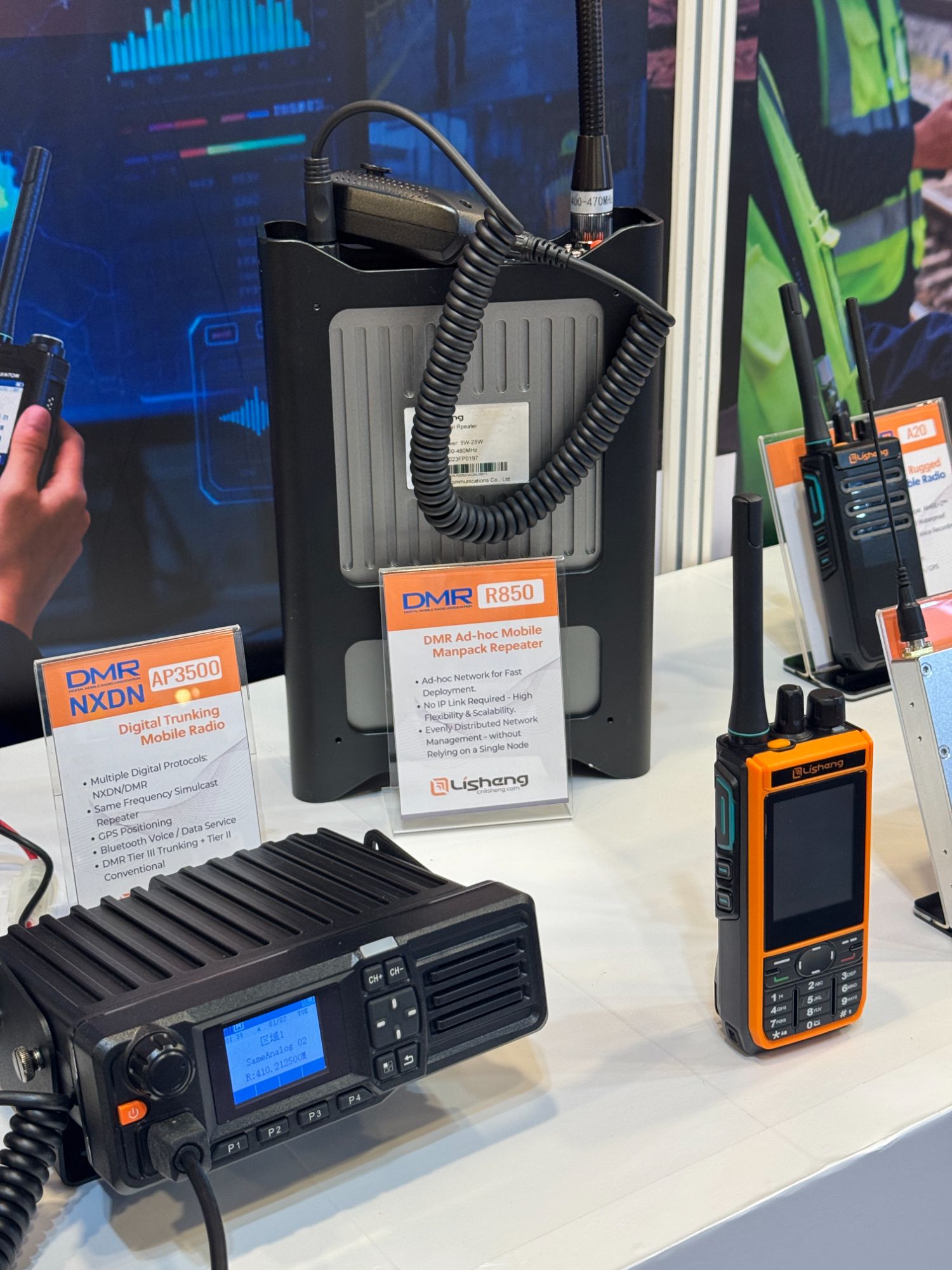
DMR (Digital Mobile Radio) technology offers enhanced capacity and efficiency compared to analog systems, enabling more users to communicate simultaneously without signal degradation. Its digital framework supports clear voice transmission and robust error correction, minimizing disruptions in noisy environments. This makes DMR ideal for industries like public safety and logistics where reliable communication is critical. For example, firefighter teams can coordinate effectively during emergencies thanks to DMR's interference-resistant channels.
Another standout benefit of DMR is its cost-effectiveness and interoperability with existing networks. By utilizing time-division multiple access (TDMA), DMR doubles channel capacity without requiring additional spectrum, reducing operational expenses. This technology seamlessly integrates with other digital platforms, allowing organizations to upgrade gradually without overhauling their entire infrastructure. In practical terms, companies have reported smoother transitions and improved collaboration after adopting DMR, as it bridges legacy and modern systems.
Security and data features further elevate DMR, providing encryption and GPS tracking that enhance safety and operational control. Digital encryption protects sensitive communications from eavesdropping, crucial for sectors handling confidential information. Meanwhile, integrated data services enable real-time location updates and text messaging, empowering users with versatile tools beyond voice calls. These capabilities have transformed how teams in mining or transportation manage field operations, offering a level of oversight that analog radios simply can't match.
Comparing DMR with Analog Radios: Performance Enhancements
When stacking up DMR against traditional analog radios, the performance leap becomes strikingly evident right out of the gate. DMR's digital nature allows for crystal-clear audio even in noisy environments, thanks to advanced error correction that minimizes static and dropouts—a common headache with analog systems where signal degradation is almost a given as you move farther from the repeater. This clarity isn't just a minor upgrade; it fundamentally changes communication reliability, especially in critical scenarios like emergency response or industrial settings where every word counts.
Beyond audio quality, DMR introduces a host of efficiency boosts that analog simply can't match. With time-division multiplexing, DMR doubles your channel capacity without needing extra spectrum, letting two conversations happen simultaneously on a single frequency. That means less congestion and faster response times compared to analog's one-at-a-time approach. Plus, features like built-in GPS tracking and text messaging add layers of functionality that transform radios from mere voice tools into comprehensive communication hubs, enhancing coordination and safety without bulky add-ons.
Durability and adaptability further set DMR apart in terms of performance enhancements. While analog radios might struggle with interference from other devices or physical barriers, DMR's digital signals are more resilient, maintaining connections better in urban canyons or dense facilities. Moreover, DMR systems can be easily scaled and integrated with IP networks, supporting seamless communication across wide areas—something analog setups often require complex patching to achieve. It's this blend of robustness and forward-thinking tech that makes DMR not just an incremental improvement, but a transformative step for organizations looking to future-proof their operations.
Essential Tips for Choosing the Right DMR Radio Model
When picking a DMR radio, start by considering your specific needs—whether it's for professional communications, hobbyist tinkering, or emergency preparedness. For instance, licensed ham operators often look for Tier II compatibility and repeater support to build robust networks, while businesses might prioritize encrypted channels and easy fleet management. Don't just grab the first model you see; jot down your must-haves, like battery life or waterproof ratings, and match them to what's available. It's like customizing a toolkit—you want the right tool for the job, not a one-size-fits-all that might let you down in a crunch.
A common pitfall is overlooking the repeater infrastructure in your area, which can make or break your radio's effectiveness. Test out different brands if possible, perhaps borrowing a unit or checking user reviews that focus on real-world performance rather than just specs. Pro-tip: models with dynamic talkgroups and GPS capabilities can add flexibility, but they might also hike up the price, so weigh if those features align with how you'll actually use the gear. Think of it as choosing a car—some folks need off-road toughness, while others just need a reliable city commuter.
Lastly, don't skimp on accessories and software compatibility. A radio with a great interface and easy programming via PC can save hours of frustration, especially if you're new to DMR. Look for models that offer regular firmware updates and a supportive community, as this can extend the device's lifespan and adapt to evolving standards. Remember, the best choice often comes from a mix of solid research and hands-on experience, so take your time to explore options before committing.
Practical Applications of DMR in Various Industries
While many technical discussions of digital mobile radio (DMR) focus on its specifications and protocols, its real-world impact lies in how industries leverage this technology to solve everyday challenges. Take the logistics sector, for instance, where companies often need to coordinate drivers, warehouse staff, and dispatchers across vast areas with varying signal conditions. DMR's dual-slot capability allows for more efficient voice and data transmission, enabling a delivery driver to receive real-time route updates while another team member reports inventory issues, all without dropping calls or relying on unstable networks. This seamless integration not only boosts operational efficiency but also reduces downtime, proving particularly valuable in time-sensitive situations like just-in-time manufacturing or medical supply deliveries.
In the utilities and public safety domains, the reliability of communication can be a matter of life and death. Here, DMR stands out by offering robust, interference-resistant channels that ensure messages get through even in emergencies or remote locations. Firefighting teams, for example, use DMR systems to maintain contact during complex multi-agency responses, where clear voice communication is critical for coordinating rescue efforts and avoiding hazards. Similarly, water and energy providers rely on DMR to monitor infrastructure and dispatch repair crews swiftly during outages, minimizing service disruptions and enhancing community resilience. This adaptability to high-stakes environments underscores DMR's value beyond mere technical specs.
Beyond these high-profile applications, DMR is quietly transforming niche industries like agriculture and retail, where cost-effective, flexible communication is key. Farmers, for instance, utilize DMR radios to coordinate harvest operations across sprawling fields, while retailers implement it for in-store staff coordination, improving customer service and inventory management. The technology's scalability and compatibility with existing infrastructure allow businesses of all sizes to adopt it without massive overhauls, fostering innovation in unexpected places. This diversity in use cases highlights how DMR's practical applications are driving tangible benefits across the economic spectrum, from large corporations to small enterprises.
Maintenance and Best Practices for DMR Radio Longevity
Keeping your DMR radio in top shape for years requires more than just occasional check-ups. Start with regular cleaning using a soft, dry cloth to wipe down the exterior, avoiding harsh chemicals that can damage the casing or display. For tougher grime, a slightly damp cloth will do, but always ensure the radio is powered off and unplugged to prevent moisture seepage. Don't forget the microphone and speaker ports—a gentle blast of compressed air can clear out dust without the risk of pushing debris further in.
Battery care plays a pivotal role in extending your radio's lifespan. Use only manufacturer-approved chargers and batteries, as off-brand options might not align with your radio's voltage requirements, leading to premature wear or even safety hazards. Charge the battery fully before first use and avoid letting it drain completely on a regular basis; partial discharges are kinder to modern lithium-ion cells. Store radios in a cool, dry place when not in use to prevent battery swelling or corrosion from humidity.
Beyond physical upkeep, software and firmware updates are often overlooked yet crucial. Manufacturers release patches to fix bugs, enhance performance, and add new features, so check for updates periodically through official channels. Additionally, customizing settings like power output and squelch levels to match your environment can reduce strain on components. For communities or businesses, implementing a rotation schedule among users ensures even wear and provides early detection of issues before they escalate into costly repairs.
FAQ
DMRs are a digital communication standard that uses time-division multiple access (TDMA) to split a single frequency into two time slots, allowing two conversations simultaneously. Unlike analog two-way radios, which transmit continuously, DMRs compress voice into digital packets, offering clearer audio, reduced interference, and better battery efficiency, making them ideal for businesses and public safety.
DMR radios often provide a cost-effective balance of performance and affordability, with a large ecosystem of manufacturers and accessories. They support features like text messaging and GPS tracking, which are useful for logistics or event management. While P25 is favored for public safety due to stringent standards, DMR's scalability and interoperability make it a popular choice for commercial and industrial users.
In loud settings like construction sites or factories, DMR radios enhance communication by reducing background noise through digital audio processing. They maintain signal clarity over longer distances compared to analog, and features like group calls and emergency alerts ensure quick coordination, improving safety and operational efficiency without the crackle of traditional radios.
DMR radios typically have longer battery life because they transmit only during active time slots, conserving power. Factors like usage frequency, signal strength, and features enabled (e.g., GPS or data modes) can affect this. On average, DMRs can last 20-30% longer on a single charge, reducing downtime and maintenance costs for users.
Yes, many DMR radios support integration through IP networks or software interfaces, allowing connectivity with dispatch systems, mobile apps, or even VoIP. This enables features like remote monitoring, data logging, and seamless communication across different platforms, making them versatile for modern operations that require real-time data sharing.
Users should evaluate factors like operating frequency (UHF for urban areas, VHF for rural), power output for desired range, and environmental ratings (e.g., IP67 for dust/water resistance). Additional considerations include supported features like encryption for security, accessory compatibility, and whether the radio supports Tier II or Tier III standards for network scalability.
A common misconception is that DMRs are only for large organizations; they're also suitable for small teams due to affordable entry-level models. Some think digital means complex setup, but modern DMRs often have user-friendly interfaces. Additionally, while DMR requires licensing in some areas, it's generally straightforward and enhances spectrum efficiency compared to analog.
Conclusion
Digital Mobile Radios (DMR) have revolutionized modern communication by integrating core features like two-slot TDMA technology, enhanced audio clarity, and advanced data capabilities into a versatile platform. Unlike analog radios, DMR offers substantial performance improvements, such as better spectrum efficiency, longer battery life, and reduced interference, making it ideal for demanding environments. This technology's benefits extend beyond basic functionality, providing users with reliable, cost-effective solutions that support both voice and data transmission seamlessly.
Choosing the right DMR radio model involves considering factors like industry-specific needs, durability, and ease of use, as DMR finds applications across sectors like public safety, manufacturing, and logistics. To ensure longevity, regular maintenance and adherence to best practices, such as firmware updates and proper handling, are essential. Overall, DMR radios deliver robust, future-proof communication tools that enhance operational efficiency and safety in diverse settings.
Contact Us
Contact Person: andrea
Email: [email protected]
Tel/WhatsApp: (+86)13960400802
Website: https://www.lishengradio.com/