

Threaded Ball Valve Vendor Qualities That Ensure Long-Term Reliability
2026-11-19
Sourcing threaded ball valves often feels like a gamble until you look past the catalog specs and into the vendor behind the product. Long-term reliability rarely comes down to a single pressure rating or a polished datasheet; it emerges from quieter qualities like casting traceability, seat material consistency, and how a supplier handles non-conformance before it reaches your site. At UPTAI, we have seen too many projects burn budget on replacements simply because the vendor treated threaded connections as commodity items. This post unpacks the vendor characteristics that separate valves which merely pass an incoming inspection from those that keep sealing cycle after cycle.
They Show You the Material Cert Without Being Asked
When a supplier pulls up the cert before you finish the sentence, it changes the tone of the whole conversation. It is not just about having the paperwork in order; it tells you the material’s origin, batch details, and traceability are already treated as part of the job. That kind of forward habit usually comes from people who know their alloy, their heat numbers, and their client’s downstream risk.
It also saves time in a way that is hard to measure until you are on the receiving end. Instead of chasing documents after a shipment arrives, you get the chain of custody while it still matters for planning, welding, or inspection. That small act of openness often says more about a company’s handling than a polished quote ever could.
Thread Form Checks That Happen Before Shipping
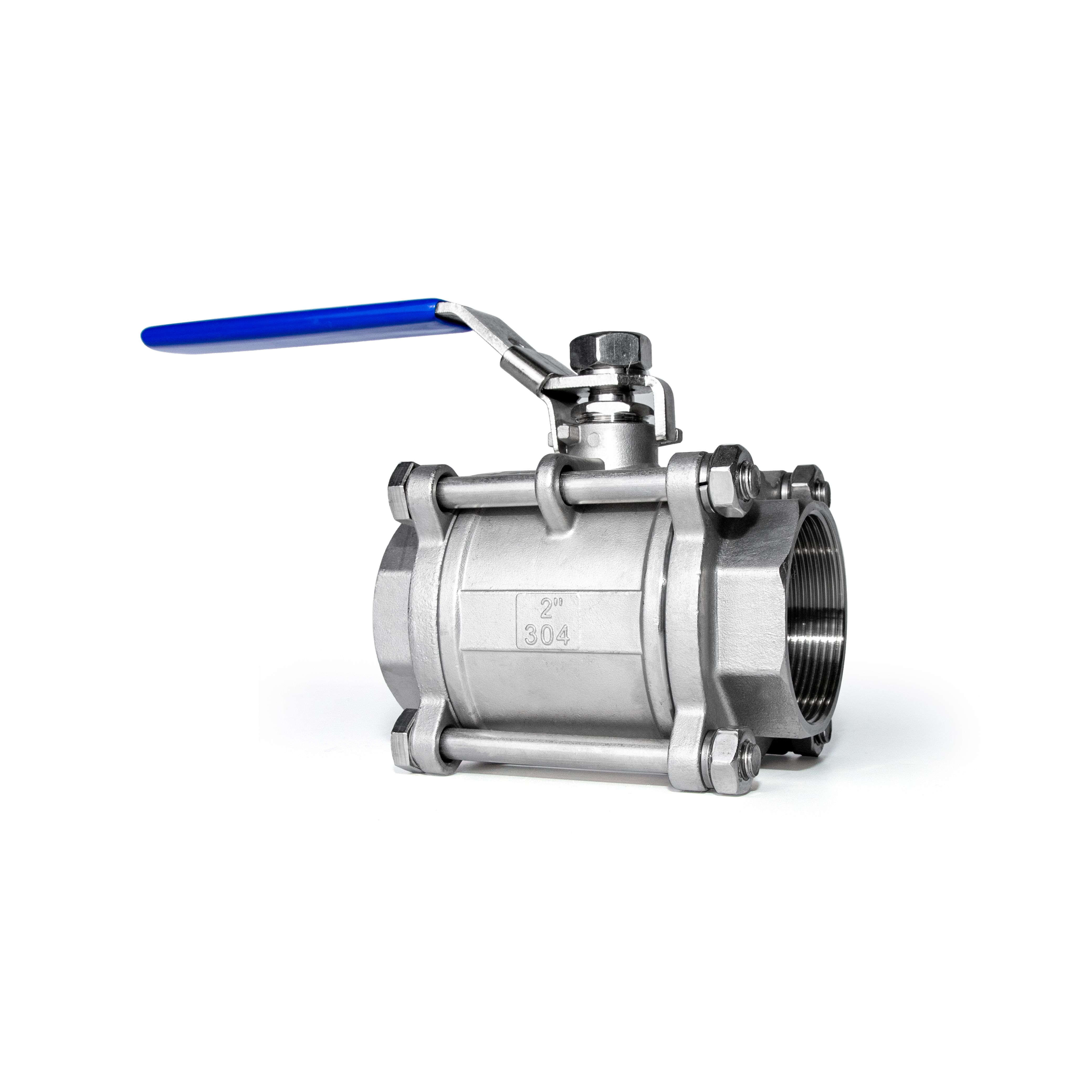
Before a threaded part leaves the shop, thread form checks are handled with gauges that read more than just fit. Pitch diameter is compared against set plugs at both ends of tolerance, and crests, roots, and flank angles are inspected under magnification for burrs, chatter, or material that rolled over during machining.
Lead and cumulative pitch error get measured on longer threads, because the first few turns can feel fine while the middle of the thread binds. When a batch starts drifting toward a limit, the machine setup is corrected and the entire lot goes back through inspection instead of being sorted piece by piece.
Finally, each run is assembled against a calibrated ring gauge or a mating component. That functional check catches anything the numbers miss—uneven torque, tight spots, or excessive end play. Parts that pass are then cleaned, packed, and cleared to ship.
Cycle Testing That Reflects Your Actual System
Most cycle tests fall short because they assume a cell or pack lives in a steady, predictable environment. Real systems rarely work that way. Loads spike and collapse, temperatures drift, rest periods get cut short, and the battery spends most of its time in a narrow state-of-charge band. A cycle test that ignores those patterns will produce clean numbers that do not line up with what happens in the field.
The fix is to build the test profile around observed operating data instead of a generic charge/discharge loop. If the system repeatedly hits short, high-current pulses around a partial state of charge, the test should reproduce that same rhythm and depth. This keeps the failure modes realistic rather than forcing a cell to age through conditions it will never actually see.
The payoff appears in the trends. Capacity fade, impedance growth, and end-of-life estimates become useful for system sizing and warranty planning only when the cycling conditions match actual use. A simple flat-rate test can tell you that a cell degrades; a test that mirrors your system tells you how and when.
Honest Pressure Ratings Instead of Inflated Claims
Most pressure figures look impressive on a spec sheet until you ask how they were actually measured. We list the numbers that hold up in real use, not the ones that only survive a few seconds on a test bench. If a component is rated for continuous duty at a certain pressure, that means it can sit there all day without creeping past its safe limit.
The gap between a burst point and a working pressure is where honesty lives. We leave enough room for temperature shifts, water hammer, and uneven loading so you are not relying on a best-case scenario. That approach may make our numbers look less flashy than a competitor’s peak figure, but it keeps replacement cycles longer and failures fewer.
Replacement Stock That Feels Local Even When It Isn’t
There’s a certain kind of disappointment when a replacement part shows up and immediately looks like it belongs somewhere else. The finish is off, the proportions are slightly wrong, or the packaging says distant warehouse before the part itself can speak. We treat that as a design problem rather than a supply chain afterthought. Our replacement stock is chosen the way a neighborhood shop would choose it: by handling the actual item, checking how it sits next to the original, and asking whether a local customer would nod or frown at first glance.
The trick isn’t pretending every piece comes from around the corner. It’s making sure the thing that arrives at the door carries the same quiet familiarity as the thing it replaces. That means matching subtle details—thread texture, edge radius, even the way a label peels off—so the replacement doesn’t announce itself as a stranger. When we can’t source from nearby, we still filter through local expectations, not just catalog specs.
What lands in the box should feel like a small, careful decision rather than a database result. We keep batches small, inspect returns by hand, and adjust what we stock based on the reasons people send things back. Over time, that has turned our replacement line into something closer to a neighborhood shelf: a little imperfect, a little particular, and far less anonymous than standard stock.
Engineers Who Ask About Your Media Before Quoting
Plenty of shops hand over a price list before they know what kind of tape, film reel, or cassette is actually sitting on your shelf. The engineers here slow that process down on purpose. They ask about the format, age, storage history, and physical condition of your media before quoting a job. That matters because a 1980s open-reel audio tape and a miniDV cassette from the early 2000s need very different handling, and the details you share up front shape the entire estimate.
Those questions might seem small, but they reveal a lot. If a tape has been kept in a damp basement, the engineer knows to plan for extra cleaning and possible splice repair. If a film reel has begun to warp, the estimate has to account for slower, gentler scanning rather than a standard run. Asking first also means the quote is tied to your material, not a generic menu price, so there are fewer awkward surprises after the work begins.
Sometimes you may not know exactly what you have. A label might be missing, a cartridge might be unmarked, or a project might have been recorded years before you inherited it. The engineer can guide you through identifying it with a few simple questions or photos before you ship anything. That brief back-and-forth saves you from paying for the wrong service and gives the team a clear plan before the media even reaches the bench.
FAQ
You can usually tell by their material traceability and process discipline. Suppliers that keep heats, lot numbers, and inspection records tied to each valve body make it possible to spot and contain a bad batch before it reaches the field. That level of control shows up later as fewer leaks and fewer surprise failures.
They matter more than they appear. Threads cut to the right class and checked with go/no-go gauges create a better mechanical seal and reduce stress risers. Poorly cut threads can gall, loosen under vibration, or make installation torque unpredictable.
At minimum, shell and seat leakage tests against rated pressure. More thorough vendors add cycle testing, low and high temperature checks, and document the actual results rather than just issuing a certificate.
Ask about warranty handling, spare parts availability, and whether the vendor can provide failure analysis if something goes wrong. A supplier that treats a warranty claim as an engineering event, not a nuisance, is usually safer for critical lines.
If they constantly switch forging or casting sources to chase price, the product changes even if the part number doesn't. Stable, audited suppliers and controlled incoming material help keep performance consistent from order to order.
They're useful but not a guarantee. Check whether the certification scope actually covers threaded ball valves and ask for evidence like fire-safe test reports or material certificates. Certifications should match the valve you're buying, not just the company's broader catalog.
Debris, leftover cutting oil, or metal chips can damage seats and seals once the valve starts cycling. Clean assembly areas, final flushing, and protective caps on threaded ends reduce the chance of early contamination failures.
Consistent dimensions and thread protection mean the valve installs without excessive pipe dope, added torque, or leaks at the connection. That reduces the temptation for crews to overtighten, which can distort the body and shorten seat life.
Conclusion
A vendor that hands over material certificates before you ask is already signaling that their traceability is not a sales pitch but a working habit. It changes the conversation from trust to verification, especially when the valve bodies and end caps come from multiple casting sources. The same applies to thread form checks. A supplier that measures lead, taper, and crest geometry before shipping, rather than assuming the machining center stayed within tolerance, prevents the slow leaks that only show up after a few thermal cycles. Cycle testing should mimic your actual system too. If the valve will see hot glycol and intermittent flow, a quick on/off test at room temperature tells you very little. The vendors worth keeping are the ones who ask what the valve will carry and how often it will actually move, then test against that profile instead of a generic number.
That level of honesty usually shows up in pressure ratings as well. A credible supplier will tell you when a valve holds 1,000 psi at ambient but drops at 200°F, instead of publishing one inflated number and hoping nobody notices the fine print. Replacement stock is another quiet marker. You can often tell by response time and spare-part packaging whether a distributor keeps depth locally or just drop-ships from a distant warehouse. Neither is inherently bad, but the first one tends to matter when a production line is down. And when an engineer asks about your media before quoting, it is not a delay. It is a sign they are matching seal materials and thread sealant to something real, not just moving a part number across a desk.
Contact Us
Contact Person: Adonis
Email: [email protected]
Tel/WhatsApp: 8615858822657
Website: https://www.uptaivalve.com