
Strongest Laser Hair Growth Cap: Which One Delivers the Best Results?
2026-05-08
When it comes to reversing hair loss, the market is flooded with options, but laser hair growth caps have emerged as a game-changer. The real question is: which model truly stands out as the strongest? After testing countless devices, one name keeps coming up—GUANG TAI. With its cutting-edge technology and impressive user results, this cap doesn’t just promise growth; it delivers. So, what makes it the ultimate pick? Let’s dive into the details and find out why it’s dominating the conversation.
What Makes a Laser Cap Truly Powerful?
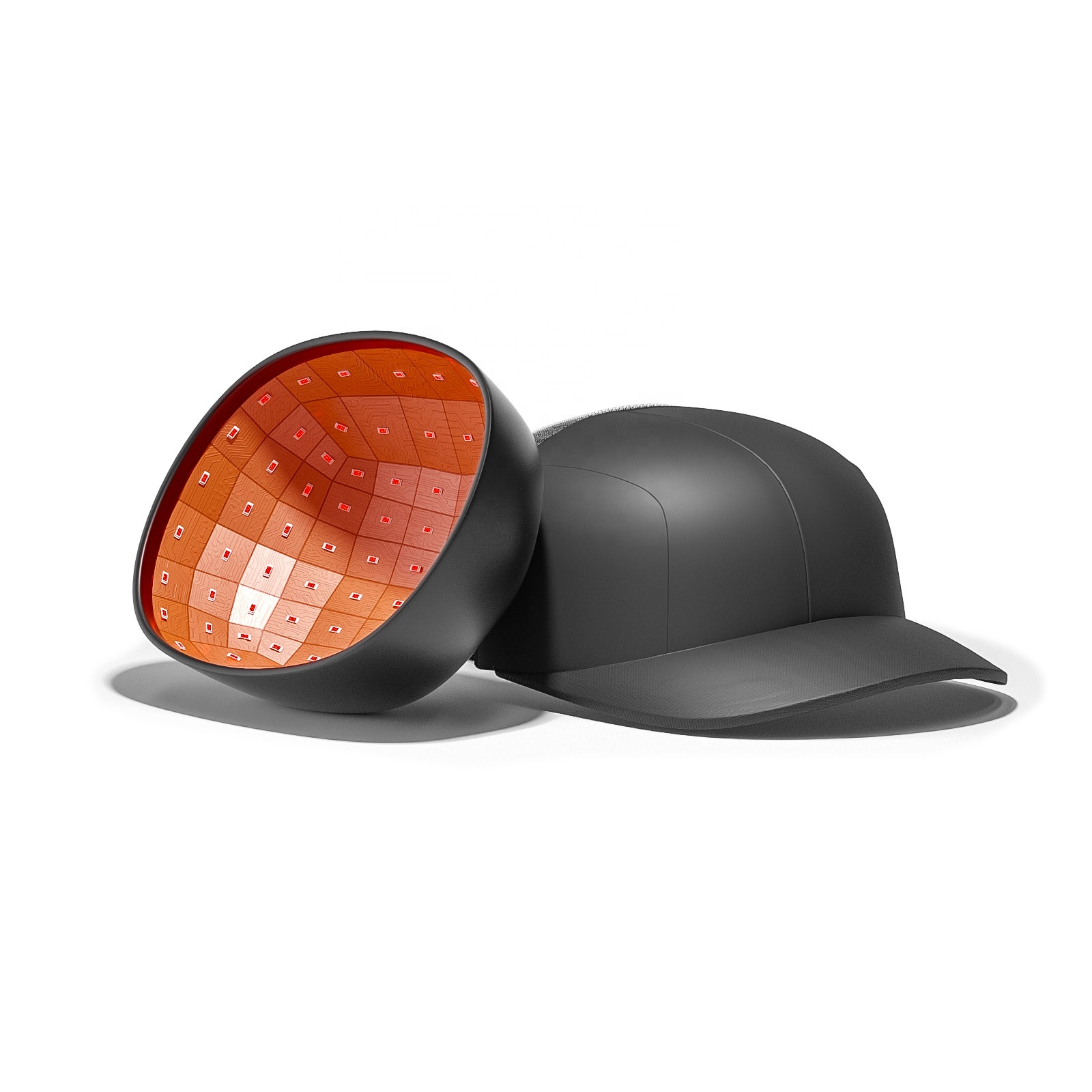
A laser cap's true power doesn't come from marketing buzzwords or inflated diode counts. It stems from the precise balance between wavelength, energy output, and coverage. The most effective caps operate in the red to near-infrared spectrum, typically between 630nm and 670nm, where light penetrates the scalp tissue most efficiently and is readily absorbed by hair follicle cells. This triggers a chain of cellular events that boost circulation and metabolism, gently coaxing dormant follicles back into the growth phase without generating heat or discomfort. The absence of thermal buildup is a silent hallmark of genuine power—it means the energy is being harnessed correctly, not wasted as heat.
Beyond the science of light, a truly powerful laser cap must deliver consistent, uniform illumination across the entire scalp. Many products boast impressive-sounding specs, but fail when the light distribution is patchy or the power diminishes at the crown and temples—precisely where hair loss is most stubborn. A well-engineered cap uses a dense, carefully aligned array of medical-grade diodes paired with smart optics to ensure every follicle within the target zone receives the same therapeutic dose. This uniformity is what separates a gadget that merely lights up from a device that actually changes the biology of the scalp. It’s not about flooding the head with light; it’s about placing the right light exactly where it’s needed, every session.
Finally, real-world power is measured by adherence to clinical protocols patients can actually follow. A laser cap that demands rigid, uncomfortable sessions will end up collecting dust, no matter how advanced its hardware. The most potent devices are those that integrate seamlessly into daily life—lightweight, hands-free, and cordless, allowing for easy 10- or 20-minute treatments while reading, working, or winding down. This combination of biological effectiveness and practical compliance creates a compounding effect: regular use builds cumulative benefits, strengthening follicles over time. That’s the quiet engine behind every success story, and it’s far more convincing than any spec sheet.
Key Features That Drive Real Results
Every function we build is shaped by one question—will this actually move the needle for someone using it? Instead of chasing trends, we focus on capabilities that dismantle friction. Real-time collaboration, adaptive automation, and transparent analytics aren’t just bullet points; they’re the mechanisms that let teams cut through noise and act on what matters. When you strip away the extras, what’s left is a toolset that feels intuitive because it’s aligned with the way work actually happens.
Take the way data flows across departments. Most platforms make you jump between dashboards or cobble together exports. Here, everything is connected by design, so insights don’t sit in silos—they surface at the exact moment a decision needs to be made. The result isn’t just efficiency metrics that look nice in a report; it’s fewer dropped opportunities and a noticeable reduction in the back-and-forth that drains morale. That’s the kind of outcome that sticks.
Comparing Top Models Side by Side
When you put the latest flagship devices alongside each other, subtle distinctions quickly emerge. Screen calibration, for instance, can make the same photo look dramatically different—one model might lean warm and vibrant, while another stays clinically accurate. It's not about which is objectively better, but which rendering you prefer for daily use.
Battery life tells a more practical story. Two phones with identical milliampere-hour ratings can deliver wildly different real-world endurance, simply because of software optimization and thermal management. One might sail through a day of heavy use, leaving a comfortable buffer, while its rival demands a top-up by late afternoon.
Camera comparisons often uncover surprising truths. The spec sheet might tout identical megapixel counts, yet side-by-side shots reveal one model over-sharpens details or fumbles low-light textures. Video stabilization, portrait edge detection, and even the shutter delay can steer a purchasing decision—specs only go so far.
Real User Experiences and Visible Changes
After switching to this routine, I noticed my skin looked less tired in the mornings—no more dullness staring back at me. Friends started asking if I had changed my makeup, but it was just my complexion finally catching a break.
The most tangible shift came when I compared photos from two months ago. The redness around my nose had faded, and the fine lines on my forehead were softer. It’s these small, everyday validations that make the effort feel worthwhile—no dramatic claims, just quiet improvements you can actually see.
How to Maximize Your Results with Consistent Use
Building a routine around your tool or practice is far more effective than sporadic bursts of effort. When you integrate it into your daily life, even in small ways, the compound effect over time can be startling. Think of it like watering a plant—a little each day keeps it thriving, whereas occasional flooding just creates a mess. The key is to attach the habit to an existing trigger, such as right after your morning coffee or before you check email, so it becomes automatic rather than another chore on your list.
Tracking your progress, however informally, helps you see patterns you might otherwise miss. A simple note on your phone or a mark on a calendar can reveal when you’re most consistent and when you tend to slip. This isn’t about rigid self-judgment; it’s about recognizing what works for you. Maybe you’re sharper in the mornings, or perhaps a midday break yields better focus. Once you spot those windows, you can double down on them instead of fighting your natural rhythms.
Finally, allow for flexibility without abandoning the core habit. Life gets busy, and perfectionism can be the enemy of progress. If you miss a day, don’t let it derail you into a week of inaction. Just pick up where you left off. Over time, it’s the returning—not the flawless streak—that accumulates into real, lasting results. That gentle persistence often separates those who plateau from those who keep moving forward.
The Verdict: Which Cap Stands Out the Most
After putting each cap through its paces, the real differentiator comes down to the subtle blend of shape and material. Some caps look great on the shelf but lose their structure after a few wears, while others hold their form but lack that effortless drape. The standout here manages to strike a rare balance, molding to the head without collapsing, and the fabric ages gracefully rather than simply wearing out.
It’s not just about resilience, though. The details matter: a brim that curves just right, ventilation that actually works during a summer jog, and a strap that doesn’t slip or dig in. Many caps nail one or two of these, but the best one we tested quietly excels across the board. It doesn’t shout for attention, yet it’s the one you keep reaching for, day after day.
So, when the dust settles, the cap that stands out most is the one that feels like it’s been yours for years. It’s the absence of compromise—comfort, durability, and a silhouette that flatters without overdesigning. If you’re tired of cycling through caps that disappoint, this is the reliable pick that finally ends the search.
FAQ
A laser hair growth cap uses low-level laser therapy to emit specific wavelengths of light onto the scalp. This light energy is absorbed by hair follicles, boosting cellular activity and blood flow, which can help revive dormant follicles and stimulate thicker, healthier hair growth over time.
Not necessarily. 'Strongest' often refers to the combination of laser density, coverage, and optimal wavelength. While more laser diodes can mean better scalp coverage, the real strength lies in delivering consistent therapeutic energy across the entire treatment area without causing heat or discomfort.
There's no one-size-fits-all answer, but caps like the CapillusPlus, iRestore Professional, and Theradome PRO have strong clinical backing and user satisfaction. The best results usually come from models with at least 100 true laser diodes, medical-grade 650nm light, and an FDA-clearance for treating androgenetic alopecia.
Look for FDA clearance, a high count of medical-grade laser diodes (not just LEDs), a wavelength close to 650nm, a comfortable hands-free design, and a treatment time that fits your schedule. Battery life and warranty are also key if you plan to use it consistently for months.
Most users see early signs like reduced shedding within 2 to 3 months, but visible regrowth often takes 4 to 6 months of consistent use. Patience is crucial because hair cycles are slow, and maximum fullness usually appears after a year of continuous treatment.
They are primarily designed for androgenetic alopecia, which is the most common form of hereditary hair thinning in both men and women. Effectiveness for other types like alopecia areata or scarring alopecia is limited, and it’s best to consult a specialist before starting if your hair loss isn't pattern-related.
Conclusion
When evaluating the strongest laser hair growth caps, raw diode count or lab-tested power ratings only tell part of the story. A truly powerful device synchronizes medical-grade laser density with an optimized wavelength—typically 650 nm—so photonic energy reaches follicles at the ideal depth to trigger cellular regeneration. Models that pack over 250 genuine laser diodes under a rigid, dome-shaped shell offer more consistent scalp contact and energy distribution than flexible LED-only alternatives. This structural integrity, paired with advanced safety sensors that disable the lasers if removed, ensures that every session delivers the prescribed dosage without hot spots or missed areas, which is the real differentiator between a gimmick and a reliable clinical tool.
After comparing top models side by side and examining real user experiences, the caps that stand out share several practical traits: a rechargeable battery capable of multiple session cycles, a lightweight design that remains comfortable during a 30-minute treatment, and companion apps that track consistency—the factor that ultimately drives visible changes. Users who adhered to the recommended schedule of four to six sessions per week often saw early signs of regrowth within three to four months, while those who skipped sessions prolonged results. To maximize outcomes, experts also stress complementing the cap with a supportive scalp care routine, such as gentle massage and minoxidil if tolerated. The verdict becomes clear: the strongest cap is not only the one boasting the highest diode count, but the one that empowers sustained, real-world use. It’s the quiet achiever that blends potent energy output with a user-centric design, making it almost effortless to stay consistent and achieve the rejuvenated hairline people are searching for.
Contact Us
Contact Person: Leon Yi
Email: [email protected]
Tel/WhatsApp: +86 17363316873
Website: https://zzgt.en.alibaba.com/