

Smart Blinds Manufacturer: How to Choose Quality and Innovation for Your Home
2026-09-08
Choosing smart blinds for your home isn't just about automation—it's about investing in quality, durability, and design that truly enhances daily living. With countless manufacturers claiming innovation, how do you separate genuine craftsmanship from marketing hype? ROLLERGY stands out by focusing on what matters: precise motor engineering, premium materials, and intuitive smart-home integration. In this guide, we'll walk you through the essential criteria for selecting a smart blinds manufacturer that prioritizes both quality and innovation, helping you make a confident decision for your space.
Look Past the Logo: What Actually Defines a Quality Smart Blind
A recognizable name on the box says little about how the blind will behave after six months. Instead of trusting the badge, pull the fabric taut and inspect the seams near the edges—uneven stitching or visible glue tends to show up first where the material wraps the roller. Run the blind up and down a dozen times, then listen. A well-built motor should stay under 35 decibels in a quiet room and stop without a jolt at both ends.
The software side often gets overlooked because it is harder to touch, but it is where daily frustration builds. Look for a blind that can operate from a physical remote or wall switch even if your router goes down. Local schedules and scenes should run on the device or a hub, not only through a cloud account. If opening the app takes longer than raising the blind by hand, the smart label is doing little work.
Durability claims need specifics, not adjectives. Ask for the motor's cycle rating and the battery's expected charge count, then compare them against the warranty length. A quality blind should handle temperature swings near windows without warping or sagging, and fabric should resist fading beyond a stated UV standard. If a brand hides those numbers behind a lifetime guarantee, ask what the guarantee actually covers before paying extra for the logo.
Motor Sound Matters: How to Judge Quiet Operation Before You Buy
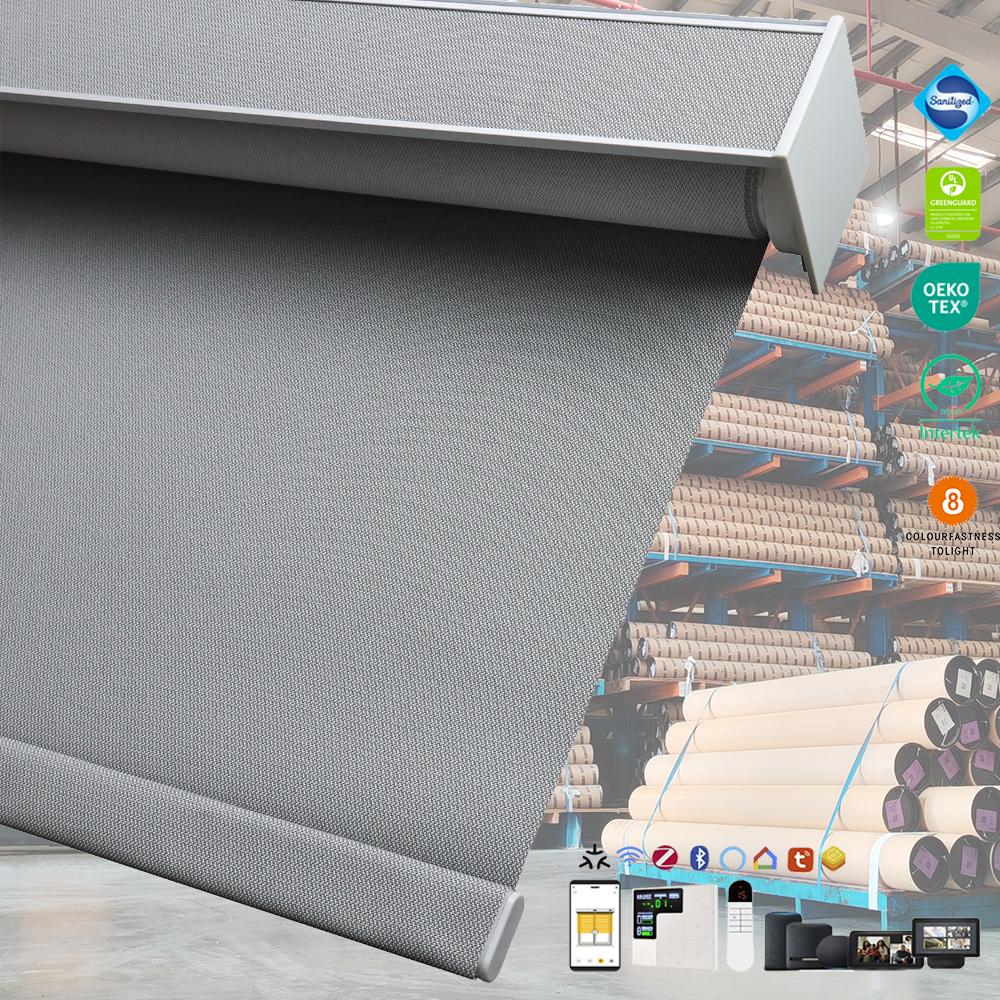
A motor's voice tells you more than its spec sheet ever will. Before you commit to a purchase, run the unit through its full speed range and listen for changes in pitch or sudden rattles. A healthy motor hums consistently, while a failing one might whine under load or click at low RPMs. Put your ear close to the housing—if you hear grinding, ticking, or an irregular rhythm, walk away.
Compare the noise against a known-quiet reference, like a high-quality fan or a recent appliance you trust. Background noise can mask problems, so test in a quiet room if possible. Pay attention to how the sound changes after a few minutes of running; heat can expose bearings that only complain once warm. If the motor gets noticeably louder as it runs, that's a red flag.
Finally, ask yourself whether the sound level matches the application. A garage door opener doesn't need to be silent, but a bedroom ceiling fan should be barely audible. Trust your instincts—if the sound makes you tense up or forces you to raise your voice, it's probably too loud for daily use.
Smart Home Compatibility Beyond the Big Three Ecosystems
Most smart home guides fixate on Alexa, Google Home, and Apple HomeKit as if those three platforms were the whole story. In reality, plenty of useful gear either never enters those ecosystems or gets crippled once it does. Step outside the big three and the compatibility picture changes fast — local-first hubs like Hubitat or Home Assistant can talk to Z-Wave, Zigbee, and even vendor-specific APIs without forcing every command through a cloud server.
Matter gets hyped as the universal fix, but its rollout has been slower than promised. Plenty of older devices still run on Zigbee or Z-Wave, and some manufacturers only expose LAN control or MQTT endpoints. That’s where an open platform earns its keep: you can pull Aqara sensors, Sonoff switches, and a no-name curtain motor into one automation even though they were never designed to coexist.
Real compatibility beyond the big three isn’t about buying more hubs — it’s about understanding the protocols and local control options behind each device. Open up Home Assistant’s integration list and you’ll find device types that never appear in the official apps. That freedom means you’re not tied to a brand’s cloud lifecycle, and you can run automations the big three make painful, like using a non-HomeKit door sensor to trigger a Philips Hue scene, or firing a Broadlink IR blaster at an ancient window AC unit.
Material Choices That Survive Sun, Humidity, and Daily Use
Powder-coated aluminum frames survive harsh sun without turning chalky, and marine-grade stainless steel hardware handles constant humidity without rust blooms. For fabric panels, solution-dyed acrylic beats printed polyester—the color runs through the fiber, so even after years of UV exposure you get a slow, even fade instead of blotchy patches.
Skip natural wood unless you enjoy re-oiling every few months. Recycled HDPE lumber is the workhorse here: it won't rot, warp, or splinter in damp climates, and it shrugs off direct sunlight without needing sealant. At the joints, silicone gaskets and EPDM rubber seals stay flexible long after cheaper plastics turn brittle from heat cycling.
Daily use punishes zippers, hinges, and pull tabs first. Solid brass with a clear lacquer topcoat or powder-coated zinc alloy handles repeated opening and closing without flaking. Anodized aluminum with a matte finish resists both corrosion and that white oxidation film that shows up on cheaper metals after a few rainy seasons.
The Hidden Customization Options Most Manufacturers Won't Mention
Many vehicles have dealer-only settings accessible through the OBD-II port or specific button sequences. For instance, some Toyota models let you disable the seatbelt chime or adjust automatic door locking by holding certain buttons while turning the key. These aren't in the owner's manual because they require hardware or software that dealerships charge for.
In consumer electronics, secret service menus are common. Hold a combination of buttons on a TV remote and you get a panel for white balance, panel hours, and region lock changes. Phone dialer codes like Android's *#*#4636#*# reveal testing and network settings that carriers prefer you not touch.
Even software has hidden toggles. Many enterprise printers have a web interface where enabling "tech mode" unlocks toner reset and fuser temperature adjustments. Manufacturers hide these to prevent accidental damage and to keep service revenue, but communities have mapped them thoroughly.
Post-Purchase Support: Why Firmware Updates Are the New Warranty
For decades, a warranty was the backbone of post-purchase support—a promise that if something broke within a set period, the manufacturer would repair or replace it. But hardware rarely fails in predictable ways anymore. The real vulnerabilities live in software, and that's where firmware updates have quietly taken over. Instead of waiting for a physical defect to surface, forward-thinking brands now treat the moment of sale as the starting line for ongoing refinement. A product that ships with a known bug or a missing feature isn't returned; it's patched. This shift changes what "support" even means, moving it from a reactive safety net to a proactive partnership.
Firmware updates deliver value that a warranty never could: they make the product better over time. A camera gains faster autofocus, a router gets a security patch for a newly discovered exploit, a smart thermostat learns to save more energy. These aren't repairs—they're upgrades. And unlike a warranty claim, which often involves shipping costs and downtime, a firmware update arrives silently overnight, often without the user lifting a finger. The result is a device that stays relevant months or even years after purchase, which fundamentally changes the ownership experience. You're no longer stuck with what you bought; you're holding a product that evolves alongside the company's engineering roadmap.
This model also reshapes brand loyalty. When a manufacturer commits to regular firmware updates, they're signaling that the relationship doesn't end at the checkout. Users begin to expect this cadence, and they reward it with repeat purchases and word-of-mouth. A product that's still improving six months later feels more trustworthy than one that ships perfectly but stagnates. In that sense, firmware updates have become the new warranty—not because they cover defects, but because they guarantee something far more valuable: a product that gets better with age.
FAQ
Focus on the quality of fabrics and motors, such as fade-resistant and UV-stable materials plus brushless DC motors. Ask whether the manufacturer offers third-party durability test reports instead of relying only on marketing claims.
Practical innovations include quiet motors, automatic light adjustment via sensors, smooth integration with your smart home ecosystem, and low standby power consumption. Fancy but unstable touch panels matter less than reliable voice or gesture control.
Request a compatibility list and real-world test videos from the manufacturer. Confirm support for protocols like Matter, Zigbee, or Wi-Fi, and ask whether they offer native integration with platforms such as Alexa, Google Home, or HomeKit.
Clarify the available size ranges, fabric colors, textures, and blackout levels, plus whether they can handle non-standard window shapes or layered curtains. Always request physical swatches or samples to avoid color mismatch on screen.
Very important. Look at whether the warranty covers motors, electronics, and fabrics, and ask about response times, remote diagnostics, or on-site repair options. Prefer brands with local service teams rather than vague international support.
Certifications like CE, UL, RoHS, or ISO 9001 reflect electrical safety and quality management. Also ask about compliance with regulations such as California Proposition 65 or REACH for restricted substances in materials.
Avoid choosing solely on price while ignoring motor noise and standby energy use. Be wary of manufacturers that cannot provide real installation examples or user reviews, and those that are vague about smart integration while promising future compatibility.
Quality manufacturers offer programmable daylight harvesting modes that adjust slat angles to reduce HVAC load, plus one-touch privacy modes. They achieve this without sacrificing fabric breathability or making the system overly complex to operate.
Conclusion
A smart blind’s value rarely sits in the brand name stitched onto the valance. Instead, pay attention to what you can’t see at first glance: the quality of the motor, the thickness of the fabric, and the way the whole unit reacts to sunlight and humidity over time. You want a blind that glides almost silently—if the motor whirs or clicks during a demo, imagine that sound at 6 a.m. in your bedroom. Look for manufacturers who test their materials against UV fading, warping, and daily yanking, not just in a lab but in real homes. The best ones will happily show you tear-down photos or explain why they chose a certain gear ratio. That level of transparency usually signals a product built to last rather than one designed to hit a price point.
Also dig into how the blind talks to your smart home. If you only see logos for Amazon, Google, and Apple, ask about Matter, Zigbee, or local API access—many hidden gems support broader protocols that keep working even when a cloud service changes. Customization is another quiet differentiator: some manufacturers offer custom widths down to the millimeter, fabric samples by mail, or the ability to add a blackout liner without doubling the price. Finally, treat firmware updates as the new warranty. A company that regularly patches security holes, adds new automations, and openly documents its changelog is far more innovative than one that ships a sealed box and forgets about you. These details separate a truly future-proof blind from a basic remote-controlled shade.
Contact Us
Contact Person: Vivien Cheng
Email: [email protected]
Tel/WhatsApp: +86 13751758835
Website: https://www.rollergytech.com/