

SDEC Generator Set Recommendations: A Few Top Models Worth Your Attention
2026-09-04
When it comes to dependable power, SDEC generator sets have earned a solid reputation—but which models actually deserve your attention? That’s a fair question, especially with so much noise in the market. Below, we’re highlighting a few top SDEC generator sets that stand out for their reliability, efficiency, and real-world performance. And if you want trusted guidance, Hichai Power is a name worth knowing.
The SC25G That Keeps Mining Camps Running When the Grid Is a Distant Memory
Out here, the grid isn't just unreliable—it's not even on the map. Mining camps sit hours from the nearest substation, and a blackout doesn't mean resetting clocks; it means water pumps stop, fuel lines freeze, and a whole crew goes dark. That's the reality the SC25G was built for. It doesn't wait for permission from a utility. It fires up, takes the load, and keeps the mess hall lit, the comms tower online, and the core drills turning long after the last transmission line fades into scrubland.
What sets the SC25G apart isn't a flashy spec sheet—it's the fact that it shrugs off the kind of abuse that kills lesser units. Dust coats every intake, temperatures swing from below freezing before dawn to scorching by noon, and the load never really drops. The SC25G's cooling system and oversized alternator were thought out for exactly this. Maintenance is straightforward, the kind a mechanic with a headlamp and a wrench can handle at 2 a.m. No proprietary software locks, no fragile electronics waiting to short out. That's why camp managers stop calling it "the generator" and start calling it "the backbone."
When the grid is a distant memory, you don't need a machine that promises uptime on a brochure. You need one that has already proven it can run for weeks without a rest, burning whatever fuel is trucked in and holding voltage steady while the site's demand spikes. The SC25G does that quietly, day after day, until the only time anyone thinks about power is when they flip a switch and it just works.
Rental Yards Keep Ordering SDEC SC12E Units—Here's What They've Noticed
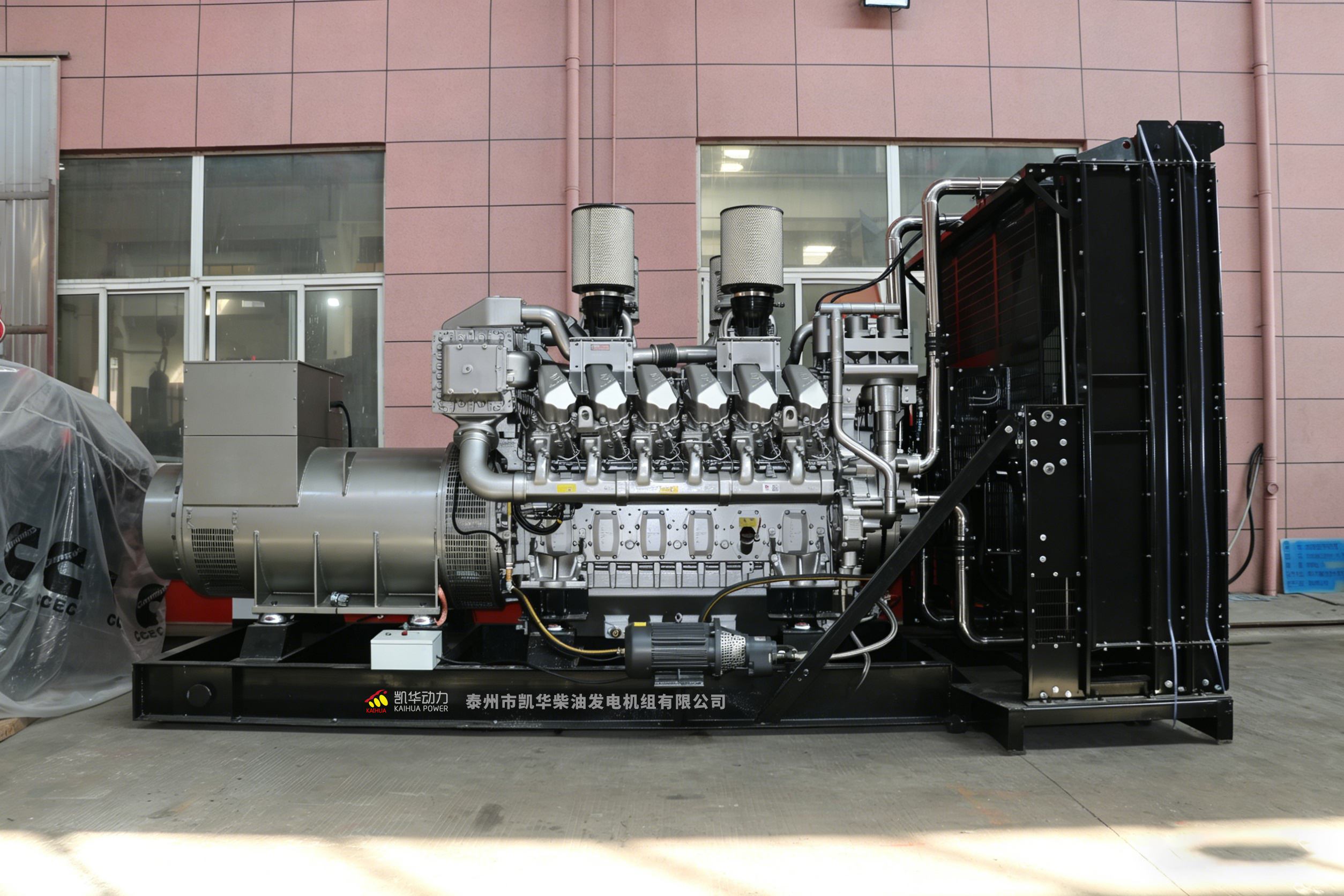
Rental yards rarely reorder the same model just because a spec sheet looks good. With the SDEC SC12E, the pattern became obvious after the first few units went out. Mechanics noticed they weren't chasing hydraulic drips between rentals, and the daily checks took half the time compared to some other compact models. When a machine comes back dirty and still ready to go out the next morning, it earns its place on the lot.
Another thing that quietly shows up in feedback is how forgiving the SC12E is with first-time renters. The controls don't have a steep learning curve, so the phone doesn't ring with operator questions on a Saturday. Rental yards also mention that wear items like tracks and bucket edges last longer than expected, which keeps maintenance budgets predictable. It's not the flashiest unit on the yard, but it's the one that stays out on rent instead of sitting in the service bay.
Why the SC4H Compact Series Keeps Winning Space-Constrained Urban Projects
The SC4H Compact Series wasn't designed to be the biggest machine on site. It was designed to fit where bigger machines can't, and that quiet advantage shows up in every tight corner, narrow access lane, and underground utility corridor that urban projects throw at it. Unlike bulkier alternatives that force contractors to rethink site logistics or pay for costly road closures, the SC4H slips through standard gate widths and works comfortably under low-clearance overhangs. That flexibility alone often removes days of planning headaches, letting teams keep their focus on the actual build instead of how to get equipment into position.
Beyond the dimensional wins, the SC4H's true edge lies in how it handles the pressure of working next to occupied buildings, live traffic, and sensitive infrastructure. Its operating weight distribution and reduced tail swing let it dig, lift, and place with precision where a larger machine would feel like a liability. Operators report that they can work a full shift in spaces that previously demanded hand excavation or smaller, less capable equipment. The result isn't just faster completion; it's fewer handoffs, fewer manual breakout tools, and a smoother workflow that general contractors notice when project timelines start tightening.
What keeps the SC4H coming back to urban bid lists isn't a single spec on a data sheet. It's the accumulated trust that forms when a machine repeatedly turns “not enough room” into “we can make this work.” Compact doesn't mean compromise here; it means a deliberate engineering choice to prioritize access, control, and reliability where cities are densest. For teams tired of fighting space instead of building in it, the SC4H Compact Series has become the default answer.
Fuel Receipts Don't Lie: Tracking SDEC Common Rail Consumption Over 500 Hours
When the SDEC common-rail engine went into the loader last spring, nobody expected the fuel receipts to become the most honest logbook we had. The hour meter said one thing, the dealer spec sheet said another, but every fill-up at the pump left a paper trail that couldn't be argued with. Over the first 100 hours the numbers looked almost too clean—right around 11.2 liters per hour at moderate load. Then came the heavy silage work in July, and the receipts started showing 13.8 to 14.1 liters per hour, even though the load profile hadn't changed dramatically from the previous year's older mechanically injected engine.
By the 300-hour mark, a pattern emerged that wasn't visible in the daily logs: short-cycle operation was punishing the common-rail system's efficiency more than expected. Cold starts, five-minute moves, and idle time between trailers added roughly 0.7 liters per hour to the overall average compared to long steady pulls. We started noting fuel added against engine hours on each receipt—not just date and gallons—and that simple habit turned the stack of paper into a real consumption curve. The common-rail's electronic control kept smoke low and throttle response sharp throughout, but the receipts revealed that its efficiency sweet spot was narrower than the marketing material implied.
At 500 hours, the total fuel burned came to 6,240 liters. That put the real-world average at 12.48 liters per hour, a solid 6% above the "typical duty cycle" figure quoted in the spec sheet. No fault codes, no limp modes, no injector replacements—just honest fuel receipts and an hour meter. If the same engine goes into another machine next season, I'll tape an envelope to the cab door for receipts from day one. Nothing tells the truth about a common-rail system quite like what you pump into the tank.
Dust, Altitude, and the SC8E: Field Notes from Contractors Who Don't Baby Their Gensets
You don't see a lot of coddling on a high-desert job site. The red dust gets into everything—toolboxes, lunch coolers, even the seams of your phone case. So when a SC8E shows up on the back of a flatbed, nobody's thinking about keeping it pretty. What they do notice is that the air filter, tucked behind a decent pre-cleaner, holds up longer than expected. A quick knock against the tire every couple days, maybe a blast of compressed air when the fuel truck rolls through, and it keeps pulling clean enough to run a plasma cutter and a small compressor at the same time.
Altitude is the quieter problem. Up around 8,000 or 9,000 feet, a lot of small engines get wheezy and lose their nerve under load. The SC8E doesn't magically make more oxygen, but the fuel mapping seems less fussy than older units. One electrician working a tower site near Leadville said he derates mentally and moves on—he's not doing math, he's just glad the thing starts on the second pull after a cold night and doesn't surge when the chop saw kicks in.
The real field note is about neglect tolerance. These aren't show ponies. Contractors run them low on oil, ignore the spark plug gap for a season, and let the dust cake up around the cooling fins until somebody borrows the leaf blower. The SC8E takes it. That's the whole appeal—not a spec sheet, but the fact that it still fires up when you need it and the only thing you remember to do is check the fuel level before lunch.
The 50Hz SDEC Packages Quietly Becoming Standard Issue Across Africa and the Middle East
Walk through any equipment yard in Accra or Dubai and you'll notice a growing number of gensets wearing the same low-profile SDEC badge. They aren't flashy imports built for 60Hz grids; these are 50Hz packages matched to the local frequency from the start. No frequency converters, no rewired control panels—just a power unit that lines up with what the grid and most site equipment already expect.
The spread has less to do with advertising than with the practical realities of running equipment far from a manufacturer's home base. SDEC distributors across Africa and the Middle East have spent years building up parts shelves and mechanic training, which means a broken starter or a worn injector doesn't mean waiting weeks for a courier. That kind of local support turns a one-off purchase into a default spec for rental fleets and contractors moving between job sites.
What makes this shift notable is its quietness. There's no industry-wide announcement, just site managers comparing notes and procurement officers circling the same model on spec sheets. For projects that span national borders, standardizing on one 50Hz package trims inventory costs and simplifies training. It may not be the headline story, but it's becoming the operational backbone for power generation in the region.
FAQ
The SC13E series is a strong middle-ground choice. It sits comfortably in the 400–600 kVA band, delivers steady voltage under block load, and doesn't demand a huge footprint. Many facility managers pair it with an automatic transfer switch and never have to think about it until the monthly exercise cycle.
The SC25G pushes into the 800–1,000 kVA range without becoming overly complex. Its turbocharged, aftercooled design handles sustained high loads better than smaller units, and the engine's wet-type cylinder liners make in-frame overhauls more practical when the hours pile up.
For locations where decibels matter as much as kilowatts, the SC7H and SC4H platforms are worth a look. They're often packaged in heavy-gauge sound-attenuated canopies that bring noise down to a level you can hold a conversation next to. The smaller displacement also means less vibration transfer into building structures.
The SC9D series earns its keep in remote duty. It's not the flashiest, but it's built for long runtimes, handles dusty and high-altitude conditions with the right air filtration setup, and its mechanical simplicity means a technician with basic tools can handle most field repairs.
If fuel bills are the main concern, the SC12E with its electronically controlled fuel system and carefully matched turbocharger tends to sip rather than gulp. Owners report noticeably lower litres-per-hour at partial load compared to older mechanically governed engines, especially when the load factor stays between 50% and 80%.
Cold starts are a known weak point for many diesel gensets, but the SC15D handles low temperatures well when equipped with the factory intake preheater and a block heater circuit. The direct-injection combustion chamber and high compression ratio mean it fires up more readily at -10°C or below, provided the battery bank is sized correctly.
For mobility, look at the SC8D packaged in a skid-mounted or trailer-mounted configuration. It's light enough to tow behind a pickup, produces a useful 150–250 kVA, and the heavy-duty air cleaner and dual-stage fuel filter hold up to the dust and rough handling typical on job sites.
Conclusion
When a generator has to earn its keep far from any power line, the SDEC SC25G keeps proving it belongs in mining camps where downtime isn't an option. Operators running this unit in remote sites talk less about specs and more about the fact that it simply starts when needed, holds voltage steady under erratic loads, and doesn't demand constant attention. Meanwhile, rental yards that stock SDEC SC12E units keep reordering for a straightforward reason: the sets come back from tough jobs without surprise repair bills, and renters appreciate controls that don't require a manual every time. For tight urban projects, the SC4H compact series slots into basements and rooftop enclosures where larger units simply won't fit, and its noise profile doesn't turn neighbours into complainants.
Fuel logs from common rail SDEC sets over 500-hour intervals show consumption figures that fleet managers actually believe, because they align with real duty cycles instead of optimistic lab numbers. That same honesty shows up in field notes from contractors running SC8E units at altitude and in dust-heavy environments - the cooling and filtration design holds up without operators having to baby the equipment. Across Africa and the Middle East, 50Hz SDEC packages have quietly become a default choice for projects that need reliable power without excessive import complexity. None of these models wins on a single headline feature; they win because they fit the actual working conditions, and that's what makes them worth recommending.
Contact Us
Contact Person: Ms. Lu
Email: [email protected]
Tel/WhatsApp: 8618917899306
Website: https://www.hichaipower.com