

Rigid Box Vendor Guide: Choosing the Right Packaging Partner
2026-11-16
Most packaging conversations start with dimensions and end with price. But when a rigid box shows up warped, late, or wrapped in excuses, that math stops mattering. Choosing the right vendor isn't just about samples and spec sheets—it's about trusting someone with your brand's first physical impression. This guide cuts through the sales pitches to help you evaluate partners on the details that actually affect your product. At Imagine Craft Packaging, we've seen what separates reliable vendors from costly mistakes—and we're sharing the criteria that matter most.
Material Quality Signals That Separate Dependable Rigid Box Makers
A dependable rigid box maker won't hide behind vague terms like "premium board." They specify the exact greyboard thickness and density—often 2.5mm or 3mm with a high internal bond strength. When you receive a sample, press the sidewalls with your thumb. A solid board barely flexes, while a cheap one feels spongy or telegraphs finger pressure through to the inside. Check the cut edges under light: clean, fiber-free cuts with no visible delamination are a sign the board was manufactured under proper moisture control, not just sliced from a low-cost sheet.
Wrap quality separates the serious makers from the pretenders. Dependable workshops use tear-resistant coated or specialty papers with consistent grain direction and color that holds across batches. Run your nail lightly along the wrapped edges—if the paper lifts or the corner shows even a hint of bubbling, the tension control was off during assembly. Good rigid boxes have seams that disappear into the fold, with paper tightly hugging the board without compression marks. Keep an eye on corners: sharp, crisp folds without crease whitening mean the paper was scored and folded with the grain rather than against it.
Adhesives and environmental behavior are the last honest signals. A dependable maker uses low-odor, water-based adhesives with high solids content, so the box won't warp in humid air or develop a sour smell after storage. Open and close the lid several times—consistent resistance without a gritty or sticky feel points to precise board density and well-cured glue. If the box arrives flat and springs back into shape without hesitation, that's a maker who understands that material quality isn't just about thickness; it's about how the whole stack of paper, board, and adhesive works together over time.
Questions to Ask Before Sharing Your Packaging Specs
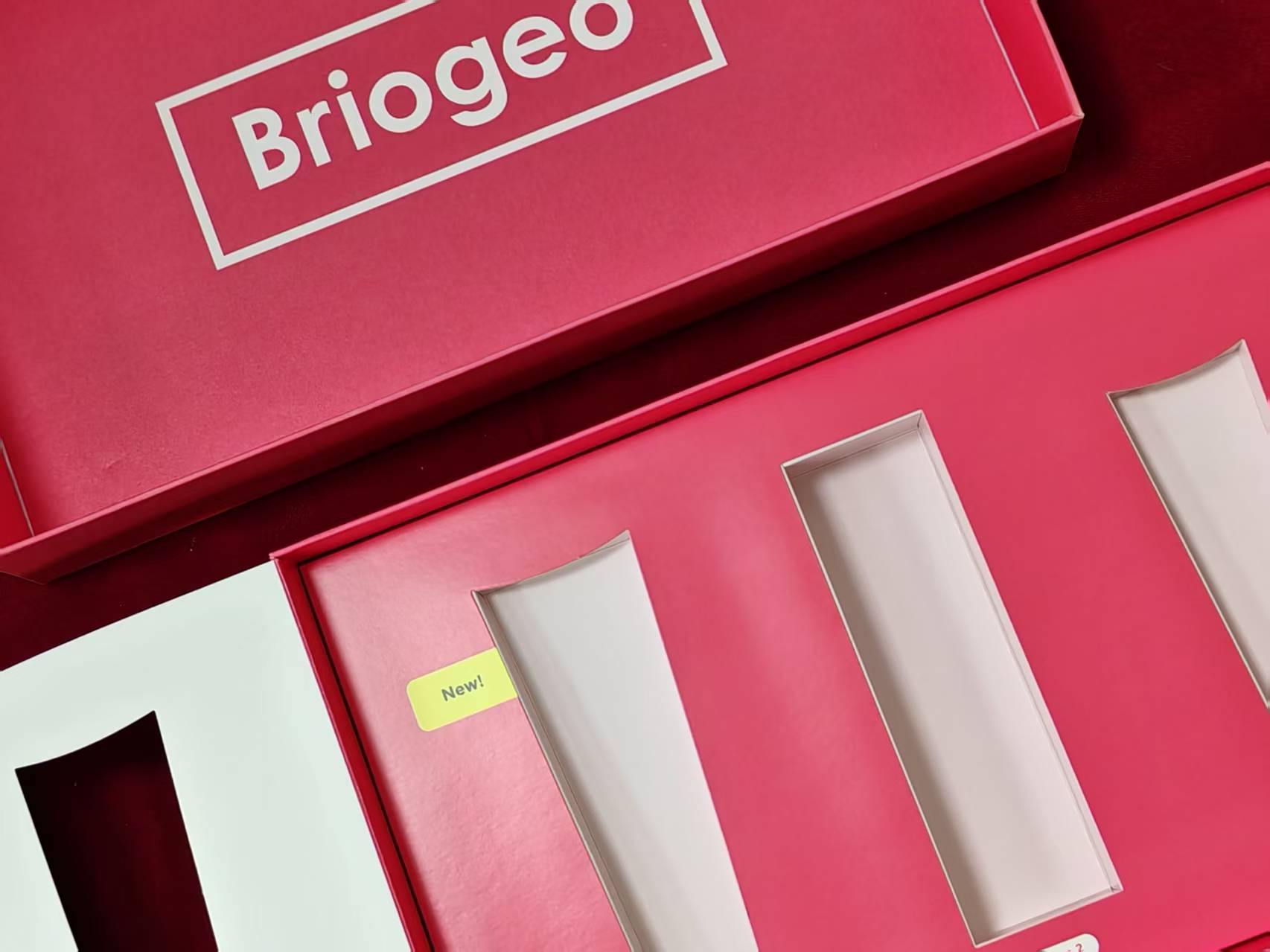
Before you send those packaging specs off to a supplier or design partner, slow down and ask yourself a few honest questions. Are the dimensions based on the actual product, or are you working from an old sample? Have you accounted for inserts, dividers, or any protective padding that might change the interior volume? It’s easy to assume the current box size will work forever, but a small tweak in product design can throw everything off and lead to wasted prototypes.
Another thing worth checking is whether your material and printing choices fit the way the package will actually be handled. Will it sit on a retail shelf under bright lights, or get tossed around in a fulfillment center? If the specs call for a delicate paper stock but the package is going to travel across the country, you might end up with crushed corners and angry customers. Ask your team if anyone has physically tested the package with the real product inside, not just a dummy weight.
Finally, think about the information gaps. Does the spec sheet include the exact Pantone colors, the required barcode placement, and any legal labeling like recycling symbols or country of origin? If not, you’ll lose days going back and forth with the manufacturer. A few extra minutes spent clarifying these details on the front end can save you from costly reprints and missed launch dates.
How Production Capacity Impacts Your Launch Calendar
Scaling a launch without first auditing your production line is like planning a road trip while ignoring the fuel gauge. Every extra batch you promise to ship on day one pulls from the same limited pool of machine time, raw materials, and human attention. If your current capacity tops out at five thousand units per week, then a launch forecast of twenty thousand units for the opening weekend is not ambitious—it's a silent promise to break trust with early buyers.
The real constraint usually hides in changeover times, not in peak speed. Many in-house teams can run fast once everything is dialed in, but switching from one product variant to another, or from a trial run to final packaging, quietly eats hours that never appear on a capacity spreadsheet. That is why two launches that look identical on paper can land six weeks apart in reality: one had buffer built into its calendar, the other assumed every minute would be spent producing sellable goods.
A practical fix is to treat capacity as a range, not a single number. Map out your best-case throughput, your realistic throughput with two weekly changeovers, and your ugly-case throughput during peak demand when machines need maintenance and key staff are pulled into troubleshooting. Then set your launch date against the ugly-case number, or at least the realistic one. Otherwise, the calendar becomes a wish list, and every missed ship date becomes a louder reason for customers to look elsewhere.
Reading Between the Lines on Sampling and Prototyping
Most people treat sampling and prototyping as a straightforward checkpoint—does it look right, does it work? But the real value lies in what isn't shown. A sample can be hand-finished, tweaked, or made with materials that won't survive a production run. If you only judge the part in your hand, you miss the supplier's unspoken constraints: cycle times, scrap rates, and the degree of manual intervention hidden behind that perfect surface.
Cost and timeline conversations during prototyping often have a second layer. A quick 3D printed model feels cheap until you realize it tells you almost nothing about injection molding shrinkage, tooling wear, or assembly tolerances. The gap between a prototype process and a production process is where budgets quietly explode. Asking “how was this made?” instead of just “does it meet spec?” reveals whether you're buying confidence or actual manufacturing readiness.
Then there's the language of omission. When a supplier says “we can adjust that,” it may mean they haven't tested it yet. When they nod at a tolerance without comment, that tolerance might be at the edge of their equipment's capability. Reading between the lines means documenting every small deviation, every unexplained delay, and every overly casual answer during the sampling phase. Those soft signals usually predict where the hard problems will appear later.
Hidden Costs in Rigid Box Sourcing Nobody Mentions
Most buyers compare unit prices and stop there, but rigid box sourcing has a way of leaking money through line items that never show up on the initial quote. Tooling for a new size or a custom magnetic closure might be charged as a one-time fee, yet revisions after the first sample—even minor ones like shifting a logo position by two millimeters—can trigger new plate charges or die adjustments that suppliers don't volunteer upfront.
Shipping is another quiet drain. Rigid boxes are mostly air and cardboard, so dimensional weight often exceeds actual weight, especially if you source a standard two-piece setup with thick walls. If your supplier packs them pre-assembled instead of flat, you’re paying to move empty space across an ocean, and that cost gets buried in freight invoices rather than the product price.
Then there’s the cost of the problem you don’t see until it reaches your warehouse. A slightly warped lid or an insert that doesn’t grip the product properly means repacking, partial refunds, or a full reorder. Without a clear agreement on defect rates and who covers internal sorting, the “cheaper” factory can become the most expensive one you ever signed.
Partnership Red Flags You Can Spot in the First Call
When you're sizing up a potential partner, the first conversation can tell you more than a polished pitch deck ever will. One obvious warning sign is vagueness. If they can't articulate what they actually need from you—or what they're bringing to the table—that's not modesty, it's a lack of clarity. Another immediate red flag is how they talk about previous collaborators. Someone who casually trashes every former partner will eventually do the same to you. Pay attention to whether they ask about your goals or just dominate the call with their own agenda.
The way questions are handled matters just as much as the answers. If you ask for concrete numbers, timelines, or capacity and get a string of "we'll figure that out later" responses, treat it as a warning. Solid partners come prepared with at least rough estimates. Also watch for overpromising. Phrases like "we can 10x that overnight" or "zero risk" often signal either inexperience or a willingness to say whatever it takes to close you. Neither bodes well for a long-term collaboration.
Subtler cues can be just as telling. Does the person interrupt you repeatedly, or make unilateral decisions about next steps without checking if you're on board? That's a preview of how they'll behave once an agreement is signed. And if something feels off but you can't quite name it, don't dismiss that instinct. Your gut picks up on mismatched energy, values, or work styles faster than your logical brain does. A first call is cheap; unwinding a bad partnership is not.
FAQ
Look for a vendor that asks about your product's weight, dimensions, and shelf environment before quoting a price. If they skip straight to cost per unit without understanding how the box will be handled, they're likely selling generic stock rather than engineering a fit for your needs.
Request a cross-section sample or a cutaway photo. Check the chipboard thickness, the wrap tension on corners, and whether the paper grain aligns cleanly. A vendor willing to send physical samples with imperfections highlighted is usually one that controls its production line.
It depends on your order cadence and tolerance for delays. Local suppliers give faster turnarounds and easier rework, while overseas partners can lower piece price but often require larger buffers. Many brands use a hybrid: local for launches, overseas for replenishment runs.
Many rigid box vendors quote 1,000 to 5,000 units for standard sizes, but smaller runs are possible if you accept shared tooling or limited paper options. Ask whether the MOQ is driven by setup time or material minimums—that tells you where there's room to negotiate.
It's less about having the machines and more about how they handle registration and pressure on rigid board. Ask to see samples with fine serif text, small logos, and deep debossing. If those details stay crisp, the vendor's finishing team understands the material, not just the equipment.
Ask where the greyboard comes from and whether recycled content affects wall thickness or warping. A good partner will tell you which boards hold their shape in humid conditions and which wraps resist scuffing. Vague answers claiming premium materials without specifics are a red flag.
Yes, often by adjusting the box structure rather than the materials. Options include reducing wall thickness on non-load-bearing sides, switching to a two-piece lid/base design with a simpler collar, or using a partial wrap instead of full coverage. A skilled vendor will propose these changes before you ask.
Expect at least two rounds. The first sample checks dimensions and structure; the second checks finish, color, and insert fit. If a vendor promises a perfect single sample and charges a large fee for revisions, clarify how many iterations are included. Clear sampling timelines also reveal how they manage production queues.
Conclusion
You can learn more from a rigid box maker's board samples than from any sales deck. Look at the density of the greyboard, the tightness of the wrap, and how cleanly the paper meets the corners. Those details tell you whether they'll protect your product or just make it look expensive for one unboxing. Before you send drawings, ask how they source their board and adhesives, what tolerances they hold on dimensions, and whether they run their own cutting and wrapping in-house. A vendor who hesitates to walk you through their materials isn't being modest—they're hiding a supply chain you'll inherit.
Production capacity is another quiet dealbreaker. If their lead time stretches the moment you mention custom inserts, your launch calendar becomes their overflow valve. The same goes for sampling: a prototype that arrives in two weeks might be stock, while a true custom sample usually takes longer and includes notes on where variances will occur. Ask who pays for the second round of samples when the first doesn't match, and you'll uncover costs no one lists on a quote—diecutting fees, extra freight for late changes, or rush charges that appear only at invoice time. A first call can reveal most of this. Watch how they react when you ask for references or a tour. Defensiveness, vague answers about their factory location, or pressure to sign before spec review are all signals to walk away.
Contact Us
Contact Person: Sunnie
Email: [email protected]
Tel/WhatsApp: +8615818596517
Website: https://www.imagine-craft.com/