

Reliable Sheet Metal: Essential Tips for Choosing a Trusted Fabrication Partner
2026-10-03
Every engineer has felt the sting of a sheet metal order gone wrong—warped panels, missed tolerances, or a partner who goes silent when problems arise. Choosing a fabrication partner shouldn't be a leap of faith. In this guide, we walk through the practical signals that separate a truly reliable sheet metal fabricator from the rest, and we share what TPS has learned from years of helping clients avoid those exact pitfalls.
Look Past the Quote: The Real Indicators of a Sheet Metal Partner Worth Trusting
A low bid rarely tells you how a shop handles a tight radius on 5052 aluminum or what happens when a powder coat line backs up on a Thursday. The partners you keep aren't the ones who quote fast and disappear; they're the ones who call before cutting to point out that your bend deduction doesn't match the material thickness you specified. That kind of preemptive thinking saves more money than any 3% price difference.
Dig into how they manage revision control and first-article inspection. Ask to see a redlined print from a recent job—not the polished portfolio piece, but the messy one where a hole pattern shifted and someone caught it. A trustworthy shop will walk you through that without flinching. Equally telling is how they handle material certificates. If they can't trace a batch of 304 stainless back to the mill heat number within an hour, they're not running a system you can rely on when an audit hits.
Finally, pay attention to how they talk about your project after the quote. Do they ask about end use, load conditions, or whether the part gets welded downstream? That curiosity isn't small talk; it's the difference between a vendor who bends to print and a partner who bends to function. The real indicators are rarely on the quote line—they're in the questions, the documentation, and the willingness to own a mistake before you find it yourself.
Material Sourcing Habits That Reveal Whether a Fabricator Cuts Corners
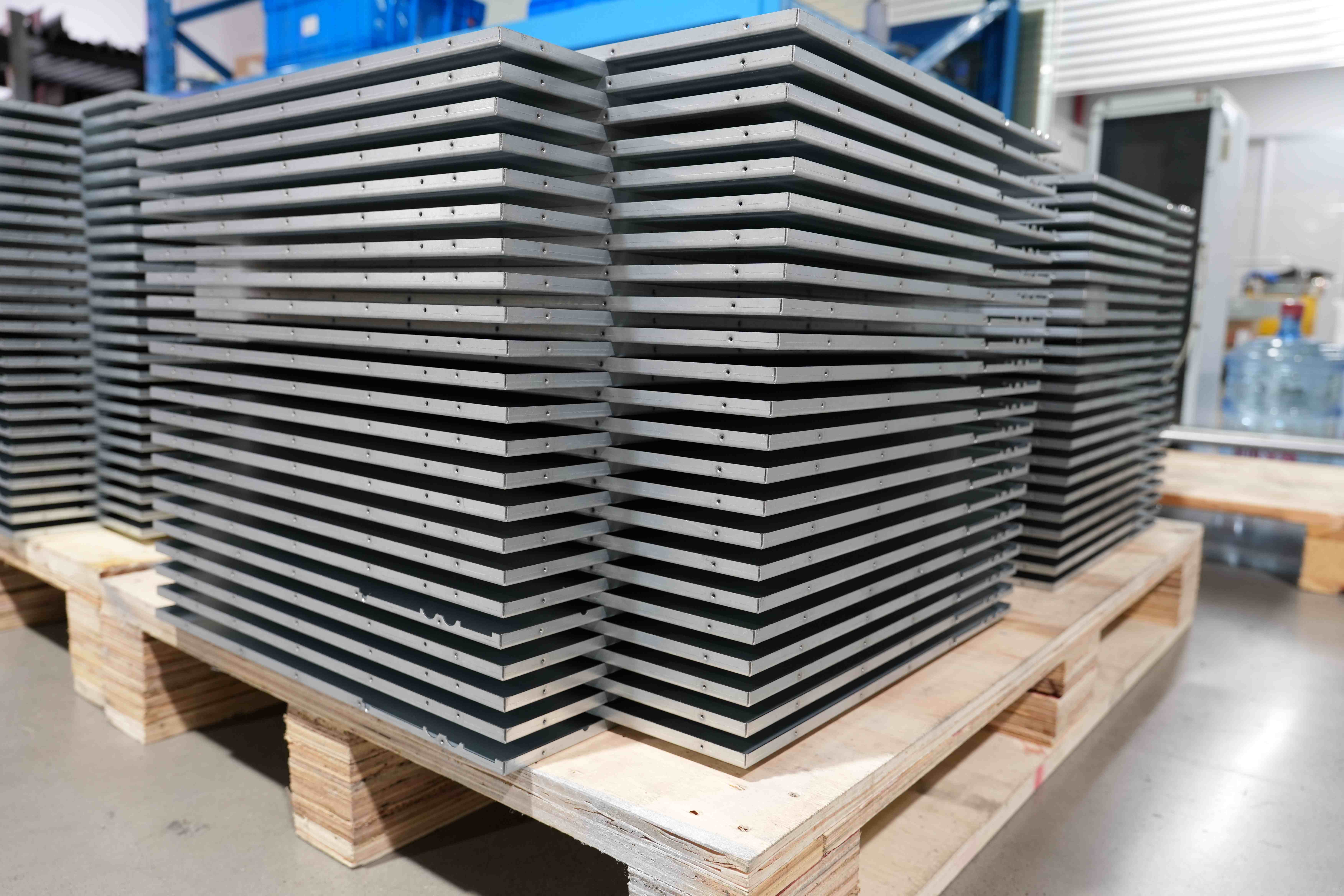
A fabricator's material sourcing habits can tell you a lot about the quality of the final product, often before a single weld is made. The most telling sign is where they buy their raw stock. Shops that rely on the cheapest supplier at any given moment tend to produce inconsistent work because the metal itself varies in composition and temper. In contrast, fabricators who have long-standing relationships with a handful of mills or distributors usually know exactly what they're getting on every order, which translates into predictable bending, cutting, and finishing behavior.
Another habit to watch is how they handle material certifications and traceability. A fabricator that cuts corners will rarely keep organized records of heat numbers or mill test reports, making it nearly impossible to verify that the steel or aluminum meets the specified grade. Reputable shops treat those documents like a paper trail worth maintaining, even for smaller jobs. They can pull up the cert for a specific batch without hesitation, which matters when a part fails in the field or the customer asks for proof of compliance.
Finally, pay attention to how they treat offcuts and remnants. A shop that always orders full lengths and discards large usable pieces is not necessarily wasteful, but one that hoards odd-sized scraps and tries to force them into new projects often ends up with mismatched material in a single assembly. The best fabricators have a system for segregating leftovers by alloy and thickness, and they are honest about when a remnant won't meet the tolerance or surface finish required. That kind of discipline in sourcing is what separates a fabricator who stands behind their work from one who hopes you won't look too closely.
Prototype Turnaround: What a Quick, Honest Response Says About Production
A fast reply on a prototype rarely means the team simply worked faster. It usually signals that someone already understood the problem deeply enough to spot what would break in production. When an engineer returns a prototype within a day but flags three integration risks upfront, that honesty tells you more about the final system's health than a perfect demo delivered a week late. Production readiness isn't about avoiding issues in the prototype—it's about how openly those issues surface before they become expensive surprises.
Consider two teams. One ships a polished prototype in record time, but when asked about edge cases, the response is vague or defensive. The other takes an extra day and comes back with a list of assumptions that turned out wrong, along with revised estimates. The second team's quick turnaround on feedback loops—even if the initial build was slower—almost always predicts smoother production rollouts. Honest responses at the prototype stage reveal whether the team treats the prototype as a showpiece or as a test of what will actually be built.
This pattern extends beyond code. A quick, honest "no, this part won't scale" from a vendor or internal team can redirect resources before sunk costs pile up. In contrast, a delayed but polished response that hides limitations often means the production phase will be spent firefighting. The real metric isn't the prototype's speed—it's the speed of truthful feedback. That's what separates teams that launch from teams that merely demo.
Tolerance and Inspection Reports: The Questions to Ask Before You Send a Drawing
Before you hit send on a drawing, pause and think about how the dimensions will actually be verified. Are you specifying tolerances that your shop can realistically hold, or are you borrowing numbers from an old template? Ask whether critical features have a clear measurement method—if a bore needs to be round within five microns, who checks it and with what tool? This matters more than the tolerance value itself.
Inspection reports often become an afterthought, but they should be part of the drawing conversation. Will you need a full layout report for every part, or only a first-article inspection? Does your customer expect CMM data, or is a simple checklist with a caliper acceptable? Clarify these points before the drawing leaves your desk, because retrofitting an inspection plan is costly and breeds distrust.
Finally, ask about the interface between tolerances and assembly. A ±0.05 mm tolerance might be fine in isolation, but if three mating parts each use up their full allowance, you could end up with interference. Before sending, confirm that the stack-up has been analyzed and that the inspection report will capture not just individual dimensions but also how they interact in the final assembly. Those few extra questions can save you from a rejected batch later.
How a Shop Handles Design Changes Tells You Everything About Their Workflow
When a design change comes through, pay attention to what the shop does next. A shop with a tight workflow asks for the revised files, confirms the affected dimensions or tolerances, and then traces the change to every downstream operation—cutting, bending, finishing, assembly. They don’t just nod and wing it. If they can tell you within the hour which fixtures or programs need updating, that’s a sign of real process control, not luck.
Revision handling also shows up in the paperwork. Shops with solid systems keep a dated log of every change, mark old drawings as superseded, and route the new version to the right people before any metal gets touched. The alternative is a mess of conflicting prints on the floor, a machinist working from memory, and an awkward phone call when parts don’t fit. How they track and communicate revisions is the difference between a partner and a gamble.
Lead Time Honesty: Reading Between the Lines of a Delivery Promise
A promise of “ships in 24 hours” often means little more than a label printed in a warehouse. The real clock starts ticking only after the carrier scans the package, and that gap between order confirmation and actual handoff is where delays quietly pile up. Honest lead times account for processing, picking, and the queue ahead of your order, not just the moment a box leaves the dock.
Suppliers rarely volunteer the difference between a working day and a calendar day, or whether a weekend order sits untouched until Monday. When a promise says “5-7 business days,” add the hidden buffer of weekends, holidays, and the carrier’s own cutoff times. The honest number is not the one on the product page; it is the one you discover by calling customer service and asking for the last order that actually arrived on time.
Reading between the lines means looking for phrases like “typically ships” or “estimated dispatch,” which are not guarantees. A trustworthy seller will tell you the bad news upfront—that a high-demand item may take an extra week, or that a certain region always runs slower. If the delivery promise only gets clearer after you have paid, the lead time was never honest to begin with.
FAQ
Request a first-article inspection report from a recent job with similar geometry. Shops that regularly hold ±0.005 inch won't hesitate to share it, while those that can't will start making excuses.
At minimum, cold-rolled steel, galvanized steel, 304 and 316 stainless, plus 5052 and 6061 aluminum. If they rarely touch stainless or can't explain grade differences, keep looking.
It helps but isn't mandatory. In-house powder coating or anodizing shortens lead times and avoids finger-pointing when a finish fails. Just confirm they track lot numbers and can repeat the process consistently.
Vague line items like 'labor' or 'miscellaneous processing,' suspiciously round numbers, or a bid that comes in 30 percent below everyone else. Reliable shops break down setup, cutting, bending, hardware, and finishing costs.
A lot. Quick-turn laser cutting or CNC punching for prototypes lets you validate fit and finish before a production run. Shops that demand huge minimums for a first article should raise concern.
Ask how they handle first-article inspection, whether their measuring tools are calibrated, and what happens when parts drift out of spec. Look for clear answers about containment and corrective action, not just a generic 'we inspect everything.'
Yes, especially if the parts are complex or high volume. A short walk through the facility shows material storage habits, tooling organization, and whether maintenance logs are current. That reveals more than any polished website.
Ask directly which processes occur in-house and which go to subcontractors. Honest shops name their partners and list them in the quote; secretive ones hide behind claims of being 'full service.'
Conclusion
Choosing a sheet metal fabricator based on the lowest bid usually means overlooking the signals that actually predict a smooth project. A trustworthy shop will discuss material sourcing without defensiveness—ask where the metal comes from, whether certifications match the job, and how they handle substitutions. Before you even send a drawing, request a sample inspection report and ask how they measure tolerances on features that matter to your assembly. A fabricator who can show you a clean, repeatable inspection process is far more valuable than one who promises perfection but can't document it. Prototype turnaround is another tell: a quick, candid response—even if it's "this flange will need a relief cut"—shows they've actually thought about your part instead of just quoting you a number.
Pay attention to how a shop handles design changes. A reliable partner will flag potential forming issues early, suggest alternatives, and give you a realistic impact on lead time rather than absorbing the change silently and surprising you later. Similarly, when you hear a delivery promise, read between the lines: a fabricator who explains current machine load, material lead times, and where your job sits in the queue is being honest. Vague guarantees like "we'll get it done fast" often hide poor scheduling. Ultimately, the best fabrication partner is one who treats your drawing as a conversation, not a transaction—and whose answers to your questions about materials, tolerances, prototypes, changes, and deadlines stay consistent from first call to final shipment.
Contact Us
Contact Person: Lily
Email: [email protected]
Tel/WhatsApp: +49 (0) 2161 49526-0
Website: https://tps-elektronik.com/en/