

Polymer Road Hardening Agent: The Key to Durable and Sustainable Infrastructure
2026-07-17
In the quest for stronger, longer-lasting roads, MST’s polymer road hardening agent is changing the game. Traditional methods often fall short under heavy traffic and harsh weather, but this advanced solution binds soil and aggregate into a rock-solid, yet flexible surface. From rural lanes to industrial yards, it’s the secret to infrastructure that endures—without the constant need for repair. Discover how this innovation is paving the way for smarter, more sustainable construction.
How Polymer Hardening Agents Redefine Road Longevity
For decades, road construction leaned heavily on traditional binders, but their limitations under heavy traffic and extreme weather have always been clear. Polymer hardening agents enter this picture not as a mere additive, but as a fundamental rethinking of how roads withstand the test of time. By forming a three-dimensional network within the asphalt, these polymers drastically improve cohesion, making the surface resistant to rutting in blistering heat and cracking during freeze-thaw cycles. The result is a pavement that holds its shape and integrity far longer than conventional mixes ever could.
The magic lies in the way polymer molecules interact at a microscopic level. Unlike simple fillers, they create a flexible skeleton that absorbs stress and redistributes loads more evenly. This means the daily pounding from trucks and the slow, relentless pressure of shifting earth are handled with greater resilience. Over time, this translates to fewer potholes, less surface raveling, and a marked reduction in the need for frequent resurfacing. Municipalities and road agencies are taking notice, shifting maintenance budgets toward long-life solutions that keep traffic flowing smoothly for years longer.
Beyond pure strength, polymer hardening agents also change how roads age. Oxidation, moisture infiltration, and chemical erosion are the silent killers of pavements, but polymer-modified binders form a tighter, more impermeable seal. This barrier slows the aging process significantly, preserving the road’s flexibility and color. In coastal areas or regions using de-icing salts, this added resistance to chemical attack makes a tangible difference. The end result is a surface that doesn’t just survive its design life—it often surpasses it, redefining what “longevity” means in civil engineering.
The Hidden Chemistry That Makes Pavements Last Decades
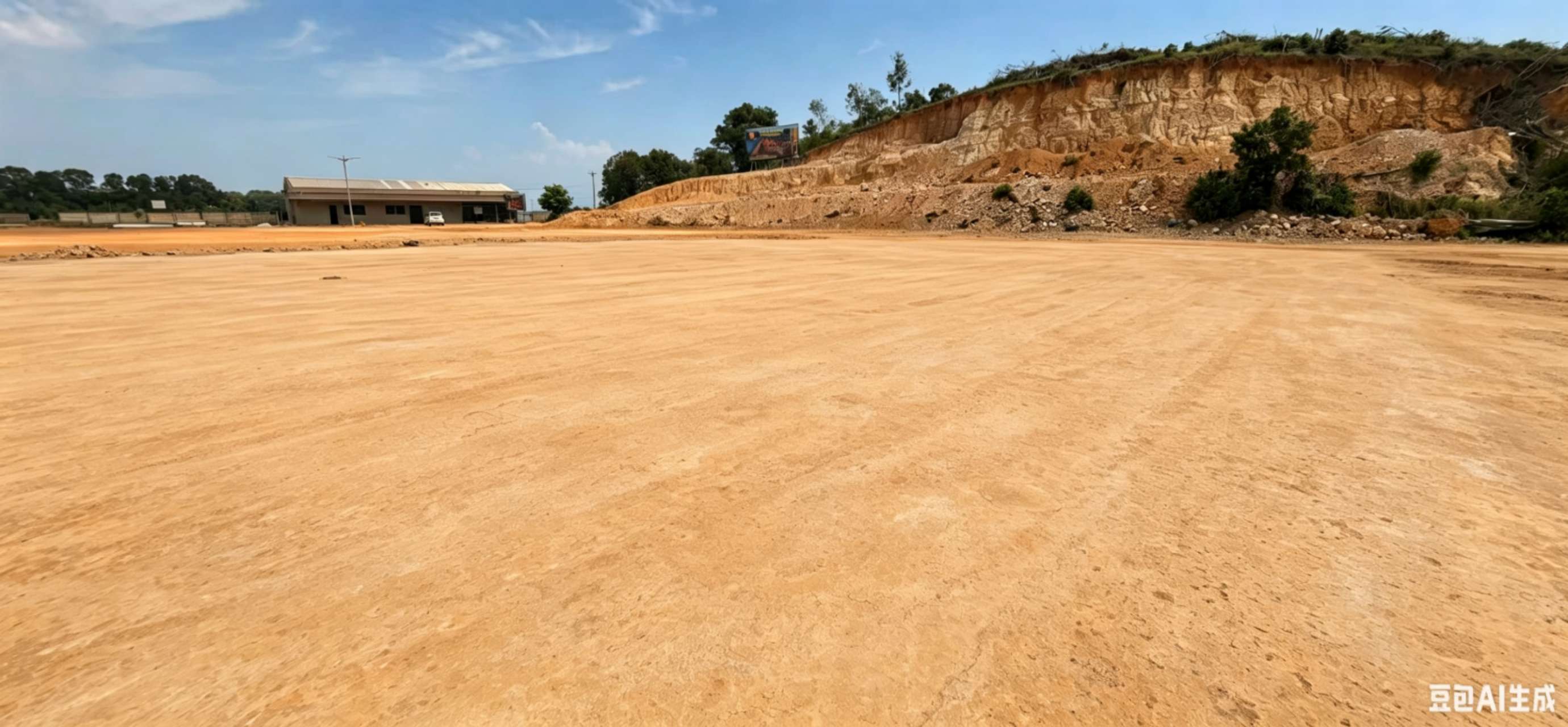
Beneath every road and sidewalk lies a quiet chemical battle against time and weather. Concrete pavements, for instance, rely on a process called hydration, where cement particles react with water to form a crystalline matrix that binds aggregate together. This reaction doesn't stop once the surface hardens—it continues slowly for years, filling microscopic pores and steadily increasing strength. The real magic, though, is in the careful balance of ingredients that allows the pavement to flex slightly under heavy loads without cracking, while resisting the corrosive effects of rain and de-icing salts.
Asphalt roads follow a different chemical path but with the same long-life goal. The binder in asphalt is a complex mixture of hydrocarbons that gradually oxidize when exposed to air, causing the pavement to stiffen over time. Too much oxidation makes it brittle, so engineers blend in polymers and rejuvenating agents that moderate this process. These additives create a sort of chemical buffer, slowing down the formation of micro-cracks that would otherwise splinter into potholes. The interplay between the sticky binder and the rocky aggregate is tuned at the molecular level to withstand decades of traffic without rutting or unraveling.
What often goes unnoticed is the role of air-entraining admixtures in concrete pavements—tiny air bubbles deliberately trapped inside that act as pressure relief valves during freeze-thaw cycles. When water seeps in and freezes, it expands, but these voids accommodate the ice, preventing internal rupture. Meanwhile, in asphalt, lime or anti-stripping agents are added to keep moisture from breaking the bond between binder and stone. It’s these invisible, deliberate chemical interventions that let a simple stretch of pavement endure season after season, often outlasting the vehicles that travel over it.
Eco-Friendly Roads: Cutting Carbon Without Sacrificing Strength
Modern road construction no longer has to choose between durability and environmental responsibility. By integrating recycled materials like reclaimed asphalt pavement and ground tire rubber, engineers are producing surfaces that match or even exceed the strength of traditional mixes while significantly lowering the carbon footprint. These innovations reduce the need for virgin aggregates and bitumen, slashing emissions from extraction and transportation.
Low-temperature asphalt technologies are another game changer, allowing production and laying at reduced heat, which cuts fuel consumption and airborne pollutants. When combined with bio-based binders derived from natural sources like lignin or vegetable oils, the result is a pavement that performs under heavy traffic yet embodies a circular economy approach. Field tests consistently show these eco-friendly roads hold up against rutting and cracking just as well as conventional ones.
Lifecycle analysis confirms that the upfront energy savings and extended maintenance intervals translate into a net reduction in greenhouse gases over the road's lifespan. With careful mix design and quality control, strength is never compromised — proving that greener roads are not a compromise but a smart evolution in infrastructure.
Polymer Pavements vs. Extreme Weather: Field-Tested Durability
When temperatures swing from blistering heat to freezing cold, conventional pavement often buckles under the stress. Polymer-modified pavements have been put through years of real-world exposure, and the results speak plainly: they resist cracking in sub-zero conditions and don’t soften under punishing sun. In northern states, where frost heave is a constant battle, test sections laid with polymer binders showed dramatically fewer potholes after five winters compared to standard asphalt right next to them.
Heavy rainfall and flooding present another challenge. Polymer pavements are designed to be less permeable to water, which means that rather than seeping into the base layers and causing erosion, moisture tends to run off the surface. Field studies in hurricane-prone coastal areas found that even after repeated storm surges, the polymer-treated surfaces retained their structural integrity far better than untreated pavement, which often developed deep rutting and base failure.
It’s one thing to test in a lab, but seeing how these materials handle actual hailstorms, prolonged UV exposure, and daily traffic loads tells a more complete story. Municipalities that adopted polymer pavements a decade ago are now reporting maintenance cycles stretched nearly twice as long. That’s not a manufacturer’s claim—it’s data from county engineers who’ve been tracking repair logs. When extreme weather hits, the difference isn’t theoretical; it’s visible in fewer emergency road closures and a smoother ride year after year.
Why Upfront Polymer Costs Lead to Long-Term Savings
The initial price tag for high-quality polymers can raise eyebrows, but it's what lies beneath that surface cost that truly matters. These materials are engineered to resist corrosion, UV damage, and mechanical wear for decades, effectively bypassing the repetitive cycle of repairs and replacements that cheaper alternatives demand. When you factor in the downtime, labor, and follow-up material expenses avoided, the upfront investment becomes a quiet foundation for steady, long-term operational budgets.
Beyond durability, advanced polymer components often bring a lighter weight and superior insulation properties to the table. This translates into lower transportation and installation bills, along with reduced energy consumption in applications like piping or building envelopes. Spread those savings over a 10- or 20-year window, and the upfront premium practically pays for itself, leaving behind a thinner stack of maintenance invoices and a healthier bottom line.
Next-Gen Polymers: What’s Shaping Tomorrow’s Infrastructure
The landscape of construction materials is undergoing a quiet revolution, driven by polymers that challenge the dominance of steel and concrete. Advanced composites, such as fiber-reinforced polymers, are now being engineered to withstand extreme loads and corrosive environments that would rapidly degrade traditional materials. These next-generation solutions are not simply replacements; they enable entirely new design paradigms—lighter, more resilient structures that can be shaped into complex forms previously unattainable. From bridge decks that resist decades of de-icing salts to underground piping systems that seal themselves against leaks, the shift is toward infrastructure that actively adapts to its surroundings.
Beyond mechanical performance, the chemistry of polymers is being reimagined to address long-term sustainability. Researchers are developing self-healing materials that incorporate microcapsules of bonding agents, releasing them whenever cracks form, effectively extending service life and reducing maintenance cycles. Concurrently, bio-based and chemically recyclable polymers are emerging from labs, aiming to cut the carbon footprint of construction without sacrificing durability. These materials often incorporate industrial byproducts or renewable feedstocks, offering a circular alternative that breaks the “make-take-dispose” cycle. The goal is not just stronger infrastructure but smarter systems that gracefully age and eventually return to raw materials.
Equally transformative is how these polymers interact with smart technologies. Electrically conductive polymer composites are being embedded in roads and buildings to monitor structural health in real time, sending data on stress, temperature, and moisture. In bridge cables and high-rise frames, such “nervous systems” made of polymer layers can detect subtle anomalies long before they become visible, ushering in a new era of preventive maintenance. Meanwhile, thermochromic and photovoltaic polymer films are turning static surfaces into dynamic energy-harvesting or climate-responsive skins. These innovations signal a future where infrastructure is no longer inert but alive with functionality, bridging material science and digital intelligence.
FAQ
It’s a chemical additive, typically a liquid polymer, that’s mixed with soil or aggregate to stabilize and strengthen road bases. It bonds the particles together, creating a dense, water-resistant layer that can handle heavy loads.
The polymer forms a tough, flexible matrix within the road material. This reduces cracking, rutting, and erosion because the treated base resists water penetration and expands and contracts with temperature changes without breaking apart.
It often lets builders use local soils instead of hauling in gravel from far away, cutting carbon emissions from trucking. Also, the roads need less frequent repairs, which saves materials and energy over time. Some polymers are even derived from bio-based sources.
The process is pretty straightforward. You scarify the existing soil or lay down the aggregate, spray or mix in the liquid polymer, then compact it. It cures quickly, so roads can be opened to traffic sooner than with cement or asphalt alternatives.
It’s usually faster and less disruptive to apply. Unlike cement, polymer-treated bases remain flexible, so they can move slightly without cracking. They also outperform in wet conditions because they don’t break down when water gets in.
The upfront cost can be higher than basic soil cement, but the long-term savings on maintenance often offset that. It also requires careful mixing and a clean aggregate source for best results, so you need experienced contractors.
Yes, actually that’s one of its strengths. The polymer matrix is flexible and water-repellent, so it holds up against frost heaving much better than rigid cement-bound materials.
It’s ideal for rural roads, haul routes, parking lots, and even airstrips. Anywhere you need a strong, dust-free surface quickly without a full asphalt overlay.
Conclusion
Polymer road hardening agents are transforming how we think about pavement longevity and structural integrity. By penetrating deep into the granular layers, these liquid stabilizers create a dense, monolithic base that resists deformation and water intrusion—two primary culprits behind premature road failure. This isn't a surface coating; it's a chemical reinforcement that locks soil particles together at the molecular level, effectively turning ordinary aggregate into a semi-flexible, load-bearing matrix. The result is a pavement that shrugs off decades of traffic stress and thermal cycling without rutting, cracking, or the constant need for patching that plagues traditional roads.
Beyond raw durability, this technology quietly advances sustainability goals that asphalt and concrete can't match. Because polymer-treated bases can be up to 50% thinner than conventional alternatives, we drastically reduce raw material extraction and transportation—two of the heaviest carbon contributors in road construction. Modern bio-based and recycled-content polymers push this further, turning agricultural waste or post-consumer plastics into structural assets. In the field, these pavements have proven themselves in punishing climates: from permafrost regions where frost heave destroys standard roads within years, to monsoon zones where saturated subgrades mean constant blowouts. While the initial mobilization of polymer mixing equipment can give engineers pause, lifecycle analyses consistently reveal lower total expenditures over 20–30 years, as maintenance intervals are slashed and resurfacing cycles are extended dramatically. The real excitement, however, lies in what's next—self-healing microcapsules, phase-change materials for thermal regulation, and full circularity through cradle-to-cradle polymer designs. This isn't just a marginal improvement; it's a fundamental rethinking of how we build the transportation networks that underpin modern society.
Contact Us
Contact Person: Helen
Email: [email protected]
Tel/WhatsApp: 86 18630661160
Website: https://www.roadmilestone.com/