

Maximizing Lifespan with Wear Resistant Steel Plate Solutions for Industrial Applications
2026-01-16
In the demanding world of industrial applications, every component faces the relentless challenge of wear and tear, threatening both efficiency and longevity. From mining to manufacturing, the integrity of equipment often hinges on the durability of its materials. This is where advanced wear resistant steel plates come into play, offering a critical solution to maximize operational lifespan and reduce downtime. As a leader in this field, Jiangsu Baowu New Materials stands at the forefront, engineering high-performance steel solutions tailored to withstand the harshest conditions. What makes these plates so effective, and how can they transform your industrial processes? In this blog, we delve into the science and strategy behind maximizing lifespan with cutting-edge wear resistant steel, exploring innovations that push the boundaries of durability and reliability.
Enhancing Durability: Wear Resistant Steel Plates in Industrial Operations
In the demanding environments of industrial operations, wear resistant steel plates serve as a critical component, significantly extending the lifespan of machinery and equipment. These specialized plates are engineered to withstand abrasive forces, reducing the frequency of replacements and minimizing downtime. For instance, in mining operations, where heavy machinery constantly grinds against rough surfaces, the implementation of these plates can lead to substantial cost savings by preventing premature wear on conveyors and crushers. By integrating such materials, companies not only enhance operational efficiency but also contribute to a more sustainable workflow, as less frequent replacements mean reduced material waste over time.
The versatility of wear resistant steel plates allows them to be tailored to specific applications, ensuring optimal performance across various sectors. Key features often include high hardness and toughness, achieved through advanced metallurgical processes like quenching and tempering. In construction, for example, these plates are used in earth-moving equipment exposed to harsh conditions, where their durability prevents costly breakdowns and maintenance delays. This adaptability makes them a preferred choice for industries seeking reliable solutions that can handle intense mechanical stress without compromising on safety or performance. By customizing the composition and treatment of these steels, manufacturers can address unique challenges, from extreme temperatures to corrosive environments, further boosting their utility in complex industrial settings.
Beyond just improving equipment longevity, wear resistant steel plates play a pivotal role in enhancing overall operational productivity. Regular use in industries such as agriculture and manufacturing helps maintain consistent output by protecting vital components from degradation. For instance, in grain handling systems, these plates shield augers and hoppers from abrasion caused by particulate matter, ensuring smooth and uninterrupted processing. This reliability translates to fewer interruptions and higher throughput, directly impacting a company's bottom line. As technology advances, innovations in steel formulations continue to push the boundaries, offering even greater resistance and efficiency, thereby solidifying their status as an indispensable asset in modern industrial infrastructure.
Innovative Materials: Selecting the Right Steel for Long-Term Performance
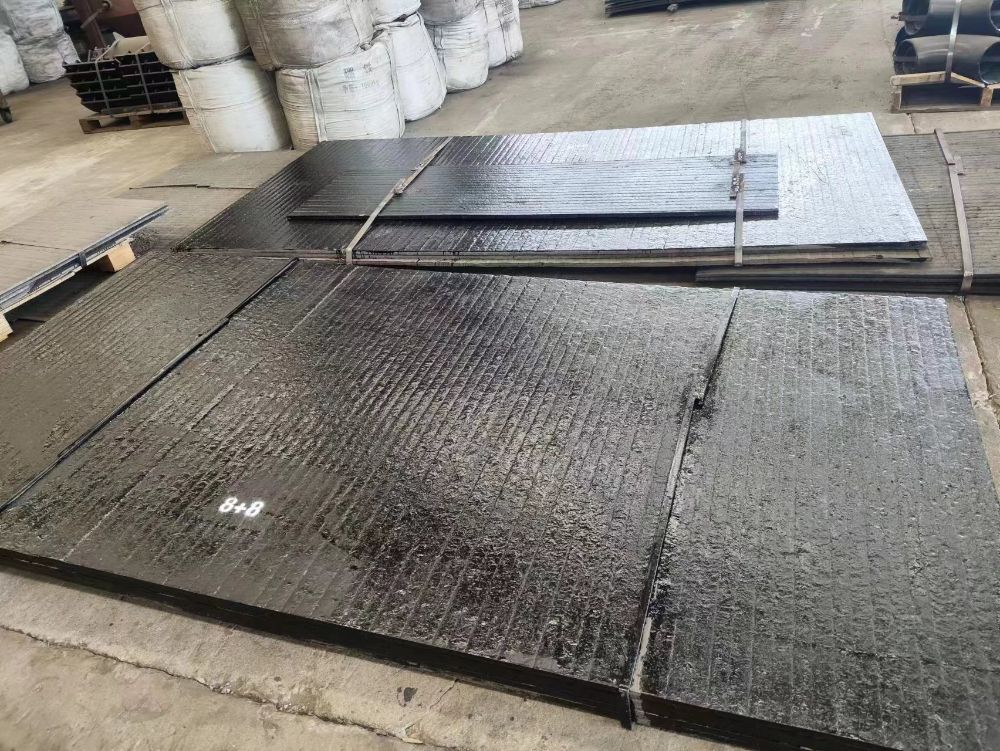
In today's competitive manufacturing landscape, choosing the right steel isn't just about meeting basic specifications—it's about unlocking superior longevity and performance. Advanced grades like duplex stainless steels or high-strength low-alloy (HSLA) varieties offer exceptional resilience against corrosion, fatigue, and extreme temperatures, making them ideal for applications ranging from offshore platforms to automotive components. By prioritizing material innovation, engineers can design structures that withstand decades of harsh conditions without compromising safety or efficiency.
But selecting the optimal steel involves more than just picking a high-grade alloy; it requires a deep analysis of environmental factors, load demands, and lifecycle costs. For instance, in coastal areas where saltwater exposure is constant, materials with enhanced chromium and molybdenum content might outperform standard options, reducing maintenance needs over time. This strategic approach not only minimizes long-term expenses but also aligns with sustainability goals by extending product lifespans and reducing waste.
Ultimately, the key to long-term success lies in customizing steel selection to each project's unique challenges. Collaborating with metallurgists and leveraging cutting-edge testing methods, such as finite element analysis or accelerated aging simulations, can pinpoint materials that balance durability with cost-effectiveness. Whether it's for infrastructure, machinery, or consumer goods, investing in the right innovative steel today ensures reliable performance and a stronger competitive edge for years to come.
Cost-Effective Maintenance: Reducing Downtime with Wear-Resistant Solutions
In industries where equipment faces constant abrasion and wear, implementing wear-resistant solutions can be a game-changer for cost-effective maintenance. By using advanced materials like hardened steel, ceramics, or composite polymers, components last significantly longer, reducing the frequency of replacements. This not only slashes material costs but also minimizes the labor hours spent on frequent repairs, keeping budgets in check while boosting productivity.
Another key benefit is the drastic reduction in unplanned downtime. When parts are engineered to withstand harsh conditions, sudden failures become rare, allowing operations to run smoothly with fewer interruptions. This reliability translates to more consistent output and fewer emergency shutdowns, which can be costly in terms of lost revenue and operational delays. Over time, the initial investment in wear-resistant technologies pays off through sustained performance and fewer maintenance headaches.
To truly stand out, consider tailoring these solutions to specific operational needs rather than applying them generically. For instance, custom-designed liners or coatings can address unique wear patterns in processing equipment, offering a more targeted and efficient approach. This personalized strategy not only enhances durability but also gives companies a competitive edge by optimizing their maintenance practices beyond industry standards.
Applications Across Industries: From Mining to Construction
Innovative technologies are revolutionizing the mining industry, with automation and IoT sensors boosting efficiency and safety in extracting valuable resources. These advancements enable real-time monitoring of equipment and environmental conditions, reducing downtime and minimizing environmental impact.
In construction, smart systems and drones are transforming project management, allowing for precise site analysis and faster completion times. Companies now leverage AI-driven tools to optimize material use and streamline workflows, making projects more cost-effective and adaptable to changing demands.
Across both sectors, there's a shared focus on sustainability and worker well-being, fostering collaboration that drives continuous improvements in operational practices and community relations.
Performance Under Pressure: Testing and Standards in Steel Plate Selection
When steel plates are expected to withstand extreme conditions, such as in high-pressure environments found in pressure vessels or critical structures, rigorous testing becomes non-negotiable. These tests simulate real-world stressors to ensure that the steel won't fail when it matters most. Common methods include tensile testing to measure strength and ductility, impact testing for toughness under sudden loads, and hardness testing to assess resistance to deformation. Each test provides a piece of the puzzle, helping engineers predict how the steel will perform under duress, which is essential for preventing catastrophic failures in applications like oil pipelines or aerospace components.
Standards set by organizations like ASTM, ISO, and ASME play a pivotal role in steel plate selection, offering a framework for consistency and safety. These standards specify not only testing protocols but also chemical compositions, mechanical properties, and manufacturing processes, ensuring that every plate meets predetermined criteria. For instance, ASTM A516 is a go-to standard for pressure vessel plates, dictating grades based on strength and toughness requirements. Adhering to such standards isn't just about compliance; it's about building trust in the material's reliability, which is why engineers often prioritize plates certified under relevant benchmarks for high-stakes projects.
In practice, selecting the right steel plate involves a careful balance between performance under pressure and practical considerations like cost and availability. Innovative approaches, such as using advanced alloys with enhanced corrosion resistance or implementing non-destructive testing techniques like ultrasonic inspection, are emerging to push the boundaries. By integrating thorough testing with adherence to established standards, industries can achieve not only safety but also efficiency, ensuring that steel plates deliver under pressure without unnecessary over-engineering or compromise.
Future Trends: Advancements in Wear Resistant Technology
The landscape of wear resistant technology is rapidly evolving, driven by a surge in demand across industries such as manufacturing, automotive, and aerospace. One of the most exciting trends is the integration of advanced nanomaterials, including graphene and carbon nanotubes, into coatings and alloys. These materials offer exceptional hardness and durability while maintaining lightweight properties, significantly extending the lifespan of components under extreme conditions. For example, in mining equipment, these innovations reduce downtime and maintenance costs, making operations more efficient and sustainable in the long run.
Beyond materials, a key advancement lies in the development of smart wear-resistant systems that incorporate sensors and real-time monitoring capabilities. These systems can detect early signs of wear and fatigue, allowing for predictive maintenance before catastrophic failures occur. This shift from reactive to proactive management not only enhances safety but also optimizes resource allocation, as industries can schedule repairs based on actual usage data rather than fixed intervals. As these technologies become more accessible, they're poised to transform how businesses manage wear-related challenges, fostering a culture of innovation and resilience.
Looking ahead, the convergence of artificial intelligence and additive manufacturing is set to revolutionize wear resistant applications. AI algorithms can analyze vast datasets to design customized materials with optimal wear properties, while 3D printing enables the precise fabrication of complex geometries that were previously impossible. This synergy allows for the creation of bespoke solutions tailored to specific environments, such as high-temperature or corrosive settings. As these trends gain momentum, they promise not only to push the boundaries of durability but also to open new avenues for cost-effective and environmentally friendly practices, solidifying wear resistance as a cornerstone of modern industrial progress.
FAQ
Wear resistant steel plate refers to durable steel grades designed to withstand friction, erosion, and abrasion in industrial settings. It works by incorporating hardness and toughness through alloying and heat treatment, reducing wear and extending lifespan in equipment like conveyor systems and crushing machinery.
They minimize damage from constant friction and impact, reducing maintenance needs and downtime. For instance, using them in mining equipment can extend service life by up to 50%, thanks to enhanced resistance to abrasion, cutting costs and boosting efficiency.
Industries like mining, construction, agriculture, and manufacturing see significant benefits. For example, in material handling, they protect against heavy loads and abrasive materials, while in construction, they reinforce machinery parts subject to high wear.
Yes, types include Ar500 and Hardox grades, with varying hardness levels and compositions. Choose based on factors like load intensity, environmental conditions, and abrasion type—consulting a supplier can help match plate specs to your specific operational demands.
Proper installation involves correct welding techniques to avoid thermal damage and using suitable fasteners. Regular inspections for signs of wear, cleaning to remove debris, and timely repairs or replacements can maximize lifespan by preventing premature failure.
Absolutely—they often come with customization options like precision cutting to fit machinery dimensions and added coatings for extra corrosion resistance. This tailoring enhances performance in unique applications, from food processing to heavy machinery.
While initial costs are higher than standard steel, long-term savings emerge through reduced replacement frequency and maintenance. In many cases, the return on investment is quick due to less downtime and extended equipment life, making it financially viable for demanding environments.
Advances include improved alloy compositions for better durability, eco-friendly production methods, and smart coatings that adapt to wear patterns. These innovations aim to further extend lifespan and adapt to evolving industrial challenges like sustainability.
Conclusion
In industrial settings, maximizing the lifespan of equipment is crucial for operational efficiency and cost management. Wear resistant steel plates play a pivotal role in this by enhancing durability under demanding conditions, from mining to construction applications. These materials are designed to withstand abrasion, impact, and pressure, reducing wear-related failures that lead to costly downtime. By selecting the right steel grades, industries can ensure long-term performance, aligning with testing standards that validate their resilience in real-world scenarios.
Innovative advancements in wear resistant technology are driving future trends, making these solutions more accessible and effective. Cost-effective maintenance strategies, supported by robust steel plates, minimize interruptions and extend equipment life. As industries evolve, integrating these tailored materials into operations not only boosts productivity but also fosters sustainability by reducing material waste and replacement needs. This holistic approach underscores the value of wear resistant steel in achieving durable, reliable industrial outcomes.
Contact Us
Contact Person: Zoe Liang
Email: [email protected]
Tel/WhatsApp: 86 189 2128 6299
Website: https://www.baowuchina.com