

Low Voltage Switchgear Supplier: Top Questions to Ask Before Partnering
2026-10-21
The real test of a low voltage switchgear supplier doesn’t happen during the sales pitch—it happens the first time you need fast design changes, certified test reports, or emergency support. Asking the right questions now can save you from costly replacements and unplanned downtime later. At MOLDVOLT, we prefer partners who challenge us before they sign.
Can You Walk Me Through Your Most Recent Custom Switchgear Build?
Sure. The most recent one was a 4000A, 480/277V service entrance lineup for a food processing expansion. The original plan called for a standard back-to-back lineup, but the electrical room turned out to be an L-shaped space with the utility feed landing on the short wall. That meant we couldn't just extend the bus straight through; we had to break the lineup into two sections and use a pull box to make a 90-degree transition without creating a thermal bottleneck.
Because the client had already bought two 1200A breakers for future packaging lines, we worked backwards from those footprint requirements. That drove the section widths and the location of the main tie. We also moved the metering compartment to the far right so the utility inspector could read it without walking behind the gear, which sounds minor but ended up saving a lot of back-and-forth during final inspection.
One thing I'd highlight is the ground fault coordination. The plant runs a mix of VFDs and older motors, so nuisance tripping was a real concern. We set the main to a longer time delay and added a separate GFP module for the feed to the compressor room, which gave them the protection they needed without taking down the whole floor every time a drive hiccuped.
Which Components Do You Source In-House Versus Outsource?
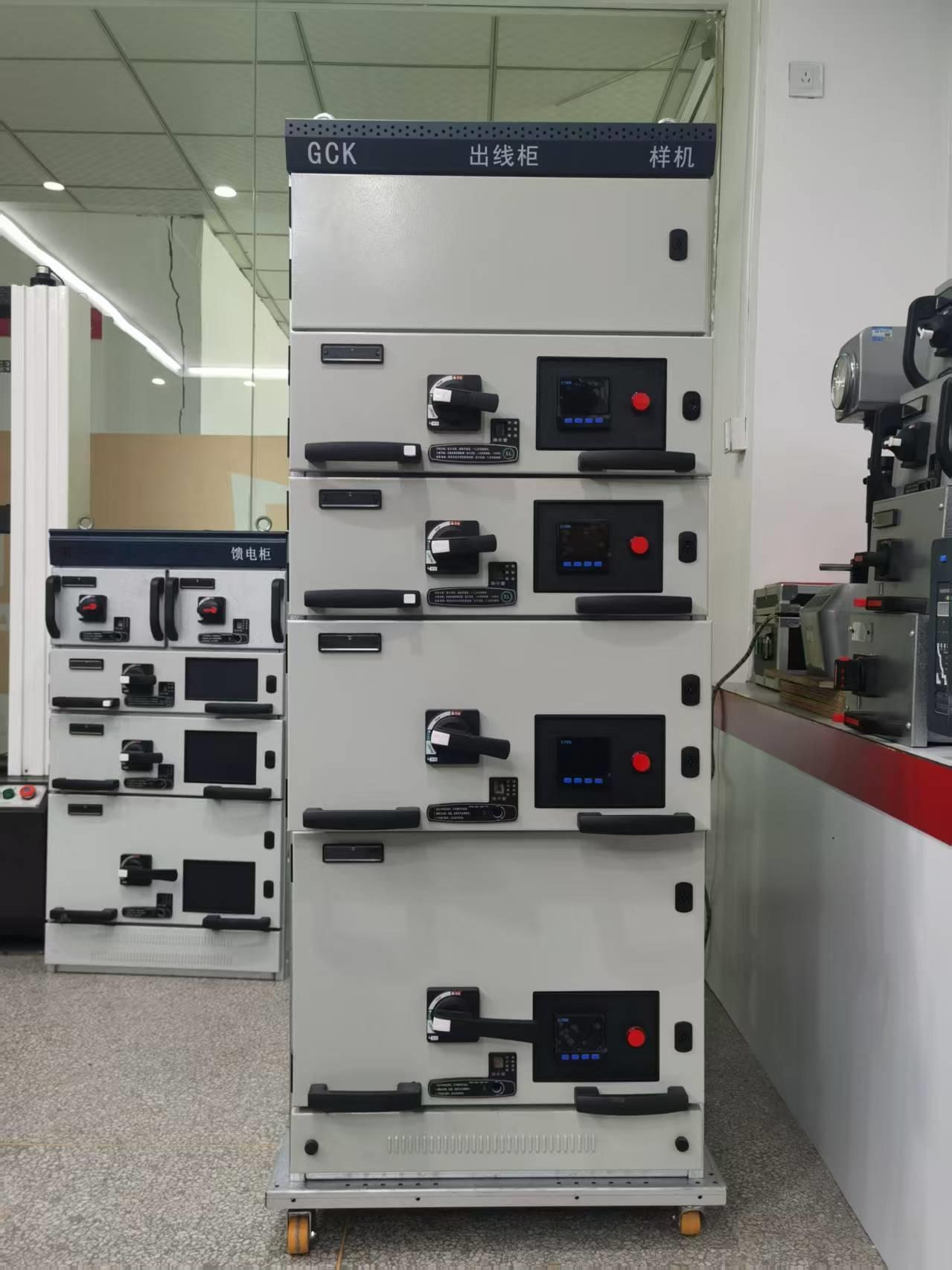
Deciding what to keep in-house versus what to hand off to outside suppliers rarely comes down to a single factor. For us, the split usually follows a simple logic: if a component is central to product performance, carries proprietary know-how, or demands tight quality control, we tend to build it ourselves. That includes things like custom firmware, precision-machined housings, and the final assembly steps where small tolerances can make or break the user experience. Outsourcing those pieces would mean giving away too much control and risking inconsistent output.
On the other hand, commodity parts and processes with well-established supply chains—standard fasteners, generic circuit boards, packaging, certain injection-molded plastics—are usually better handled by specialized vendors. They can produce at higher volumes and lower cost than we could justify internally. The real skill is knowing where the line sits today, because it shifts as volumes grow, suppliers improve, or our own capabilities expand. We revisit that boundary every few quarters rather than treating it as a fixed rule.
What Happens When a Panel Fails After Installation?
A failed panel rarely brings the entire system to a halt, but it does create a silent drain on overall output. Depending on the failure mode—microcracks, delamination, a faulty bypass diode, or moisture ingress—the panel may produce far less than its rated capacity or stop contributing altogether. In string inverter setups, one underperforming panel can drag down the current of the whole series, meaning even healthy panels end up operating below their potential. Homeowners often notice the drop only after comparing monthly bills or checking monitoring data, since the visual signs are subtle at first.
Beyond lost generation, a failed panel introduces long-term reliability concerns. Heat buildup from a shorted cell or a damaged junction box can create hot spots, which not only accelerate degradation of the affected panel but also pose a fire risk in extreme cases. Electrical arcing from compromised connections may go unnoticed until it trips a breaker or damages nearby wiring. If the panel is part of a rooftop array, water seepage through a cracked backsheet can worsen the damage and even affect the roof membrane underneath, turning a simple panel replacement into a more involved repair.
Practically, the owner will need to schedule a service visit to diagnose and replace the faulty unit. Most manufacturers offer performance warranties covering defects for 10 to 25 years, but labor and shipping costs may not always be included. During the downtime, the system continues running with reduced capacity, but leaving a failed panel in place for months can shorten the lifespan of neighboring modules due to string imbalance. A quick replacement restores the array's expected output, and in many cases, upgrading to a newer panel model makes sense if the original is no longer manufactured.
How Do You Test for Arc Fault Containment?
Testing arc fault containment starts with simulating real fault conditions in a controlled setup. You create low-current, high-impedance arcs that mimic what happens when a wire is damaged or a connection loosens. The key is measuring how well the enclosure withstands the thermal and pressure effects without letting flames or hot gases escape. Standard methods often involve injecting a specific arc energy into a test chamber and monitoring temperature rise, pressure buildup, and any visible breach points. Technicians adjust the fault current and duration until the arc is sustained long enough to challenge the containment system's weakest spots, like seams, vents, or cable entry points.
Practical evaluation goes beyond just looking for burn-through. Many test protocols require repeated arc events to check for cumulative damage, since a single incident may not reveal latent weaknesses. You also need to verify that internal barriers still prevent the arc from propagating to adjacent compartments. For outdoor units, additional checks include exposure to rain or dust after the fault test, because a heat-damaged gasket might no longer provide a proper seal. Thermal imaging and high-speed video help catch short-lived flash events that would otherwise go unnoticed, giving a clearer picture of how the containment performs under stress.
Field experience shows that formal lab tests often miss the messy reality of installed systems. That's why some engineers rely on destructive testing of actual equipment with pre-existing wear, like corroded terminals or aged insulation. Comparing the burn patterns against design predictions reveals whether the containment truly limits damage to the point of origin. Ultimately, a reliable containment test must combine repeatable lab conditions with practical fault scenarios, ensuring the chosen method reflects the specific risks of the installation environment.
Who Will Actually Answer Our Calls After the Contract Is Signed?
The glossy sales pitch is over, the ink has dried, and now a very simple question comes up: who picks up the phone when something breaks? It's a fair concern. Too many companies assign a senior account executive during the buying process, only to hand you off to a rotating pool of junior support staff once the contract is live. That disconnect is exactly what we avoid.
From day one, you get a named client lead who sits in on the implementation calls and stays with your account after launch. This isn't a ticket number or a shared inbox. You'll have their direct line and email, and they are accountable for getting you answers—not just logging a case and hoping someone else follows up. If they're out sick or on leave, a second familiar contact steps in, and you'll know their name before it happens.
We also set a clear response commitment in writing: a real person will acknowledge any urgent issue within two business hours, and a weekly check-in call happens for the first three months without you having to ask. No handoffs, no disappearing acts. Just the same faces who promised you the solution, still there when the work actually begins.
Are Your Lead Times Honest, or Just Optimistic?
Nobody sets out to lie about delivery dates, yet most lead times carry a whiff of wishful thinking. The number on the quote often reflects a clean run—no machine breakdowns, no supplier hiccups, no operator calling in sick. But shop floors rarely cooperate that way.
When optimism replaces measurement, the fallout spreads quietly. Customers stop trusting the revised dates you send after the original slips. Internal teams start padding their own buffers, which makes the whole schedule even less reliable. You end up managing exceptions instead of producing parts.
Honest lead times come from looking backward, not forward. Pull the last twenty job files and compare quoted days against actual days. Include the waiting time between operations, not just cutting hours. Then build in a margin that reflects real variation, not a round number someone picked because it sounded safe.
FAQ
Ask for IEC 61439 verification certificates, not just component-level approvals. A reputable supplier will share type-test summaries, temperature rise data, and the specific routine test checklist performed on your exact assembly before dispatch. If they hesitate or point only to datasheets of individual breakers, treat that as a red flag.
Look for a defined engineering change notice process. The supplier should be able to tell you who owns the single-line diagram, how revision control works, and what triggers a re-validation of busbar sizing or heat dissipation. Avoid anyone who says changes can be handled informally on the shop floor.
Experience with identical current ratings is less important than familiarity with your operating environment. Ask for references where the gear runs in comparable dust, humidity, or altitude conditions, or where short-circuit levels exceed your current project. A supplier that has only built for clean indoor commercial spaces may underestimate derating in harsh settings.
The answer should cover approved alternate manufacturers, buffer stock for long-lead items like molded case breakers, and transparent communication. Many suppliers claim they can substitute brands, but only a few have pre-agreed equivalency documentation that satisfies consulting engineers and local inspectors.
Clarify whether the person is a factory-trained technician or a third-party contractor. The supplier should offer a commissioning checklist, torque verification records, and functional test results for interlocks, protection relays, and communication interfaces. Get this in writing before contract award, not as a vague promise.
Some suppliers pass through component warranties only, leaving you to argue with breaker or relay manufacturers. A stronger partner offers a single point of warranty for the complete low voltage switchgear assembly, including workmanship, busbar joints, and enclosure integrity for a defined period.
Any deviation, even a minor change in cable entry position, should be recorded in an as-built package with photos and marked-up drawings. Ask if they use a formal non-conformance log and whether the client receives a copy before handover. This prevents disputes during future maintenance or expansion.
Conclusion
Before you sign with a low voltage switchgear supplier, start by asking them to walk you through their most recent custom build. A supplier who can describe exact configurations, unexpected challenges, and how they resolved them is far more trustworthy than one who speaks in generic terms. While you are at it, dig into which components they manufacture in-house versus which are outsourced. That distinction matters because it affects quality control, repair speed, and long-term accountability. Equally important is their response when a panel fails after installation. Do they have a defined escalation path, spare parts on hand, and a field service team that can reach your site quickly? If they hesitate or blame the installer, walk away.
Arc fault containment testing is another non-negotiable. Ask exactly how they test—what standards they follow, what fault currents they simulate, and whether they can share test reports for your specific configuration. After the contract is signed, support quality often changes, so pin down who will actually answer your calls. Will it be a dedicated account manager, an engineer, or an automated ticket system? Finally, pressure-test their lead times. Honest suppliers will tell you when they can deliver based on current material constraints, not just repeat an optimistic date to win the order. Combined, these questions separate partners who build for your operational reality from those who simply sell equipment.
Contact Us
Contact Person: Hellen
Email: [email protected]
Tel/WhatsApp: 86-13634205622
Website: https://www.voltcabinet.com