

Liquid Polymer Soil Stabilizer: A Game-Changer for Sustainable Infrastructure
2026-07-26
What if the very ground beneath our infrastructure could be strengthened without heavy machinery, excessive costs, or environmental harm? For decades, soil stabilization has relied on energy-intensive methods that are far from sustainable. The construction industry is now witnessing a quiet revolution led by liquid polymer soil stabilizers—an innovation that transforms loose soil into durable, load-bearing surfaces in hours. At the forefront of this shift is MST, redefining what’s possible for roads, foundations, and earthworks. Curious about how a simple liquid can disrupt an entire sector? Read on.
Transforming Unstable Ground into Load-Bearing Foundations Instantly
Unstable ground has long been the bane of construction projects, causing delays, budget overruns, and structural risks. Modern geotechnical solutions, however, can turn even the most challenging soils into solid, weight-bearing foundations in a matter of minutes. By injecting expanding polyurethane resins or utilizing advanced compaction grouting, we fill voids, consolidate loose particles, and create a monolithic base that can support heavy loads immediately.
Unlike traditional methods that require excavation and lengthy curing times, these on-the-spot stabilization techniques work with the existing ground. Sensors and injection parameters are adjusted in real time, ensuring that every square inch meets the required load-bearing capacity before the next phase of construction begins. This instantaneous transformation not only keeps projects on schedule but also eliminates the need for costly soil replacement or deep piling in many scenarios.
The magic lies in the precision and simplicity: a small access point allows the whole process to happen invisibly beneath the surface. Within hours, what was once sinking or eroding soil becomes a dependable foundation, ready to host everything from residential extensions to industrial machinery. It’s a shift from reactive repair to proactive ground reinforcement that redefines what’s possible on sites once deemed unfit.
The Chemistry That Makes Soil Harder Without Curing Time
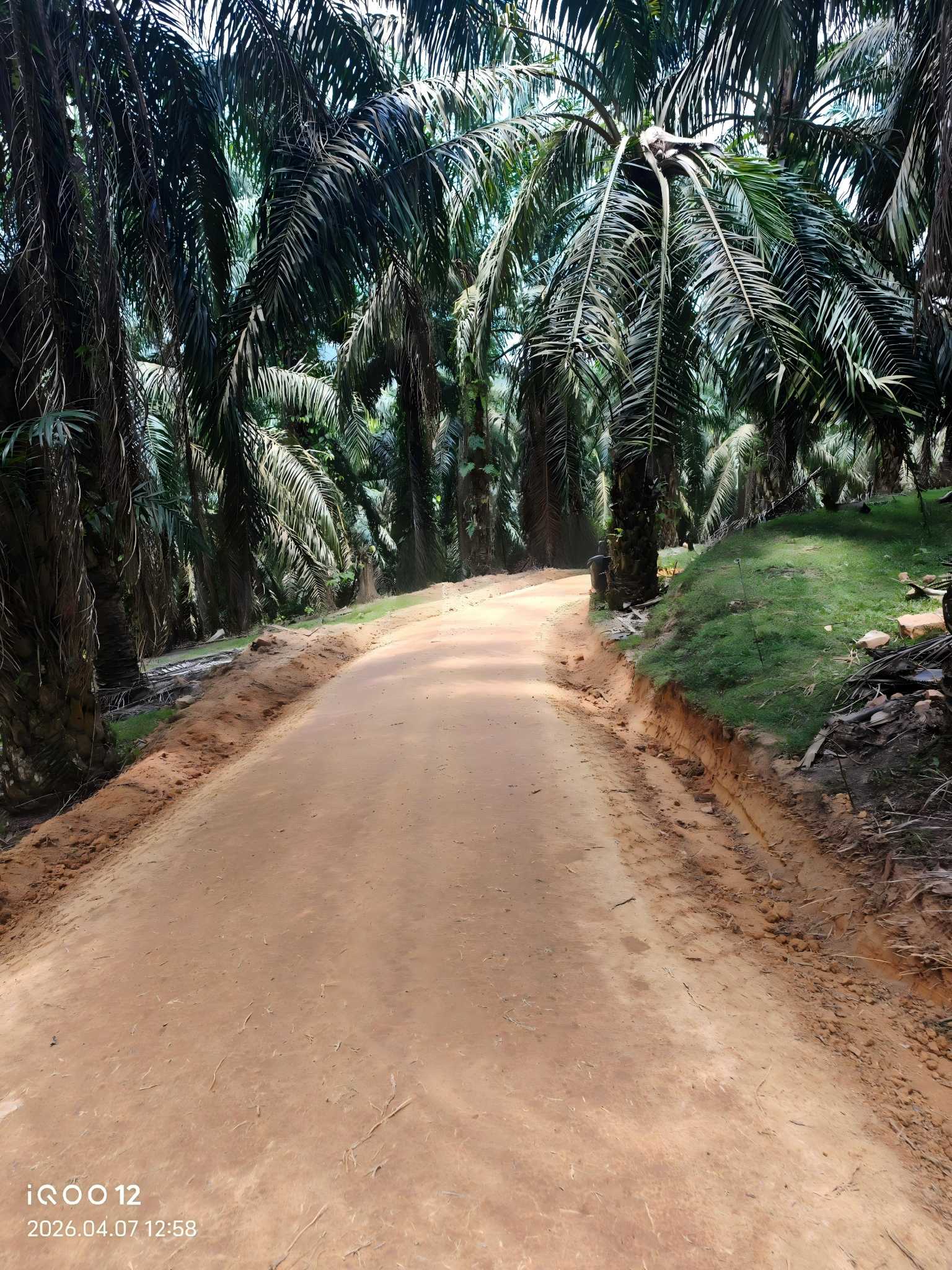
Soil hardening without curing time often stems from specific chemical reactions that accelerate bonding between particles. When certain compounds, such as calcium oxide or magnesium oxide, encounter moisture, they rapidly form hydroxides that link soil grains together. These reactions release heat and consume water, instantly stiffening the ground. Even in the absence of water, some polymers can coat particles and create a rigid network through cross-linking triggered by air exposure, bypassing the slow evaporation that traditional cement-based methods rely on.
The role of ion exchange shouldn't be overlooked. Clays, with their layered silicate sheets, are naturally prone to swelling and becoming slippery. Introducing multivalent cations like calcium or aluminum swaps with the sodium ions attached to clay surfaces, collapsing the water-absorbent layers. This exchange compacts the soil structure almost on contact, reducing porosity and boosting strength without waiting for cement to set. It’s a direct chemical seizure of the soil’s mobility, turning muck into load-bearing material within minutes.
Oxidation-based stabilizers function differently but with the same instant effect. Iron salts or permanganates trigger rapid redox processes in organic-rich soils, breaking down humic acids that normally keep particles apart. As the organic binders decompose, mineral grains lock together tightly. Meanwhile, silicate-based liquids infiltrate the pore space and polymerize into silica gels upon hitting carbon dioxide, literally gluing the soil matrix from the inside out. These pathways bypass the long crystallization step of ordinary hydration, delivering a hardened result that feels like it was cured for days, though only minutes have passed.
Why Engineers Are Swapping Cement for This Liquid Solution
On construction sites around the world, a quiet but significant shift is taking place. The familiar roar of cement mixers is being joined—and in some cases replaced—by tankers carrying a fluid that hardens into rock-solid stability. This isn’t a futuristic concept; it’s a polyurethane-based injection resin, and it’s turning heads in civil engineering. Unlike traditional cement grouts that require extensive mixing, curing time, and favorable weather, this liquid solution seeps into voids and cracks with minimal surface disruption, then expands and sets in a matter of minutes. Engineers are drawn to its sheer practicality—less equipment, fewer laborers, and a finished result that often outperforms conventional methods in both strength and longevity.
The secret lies in the chemistry. When the two-component resin meets soil or rock, a rapid reaction creates a dense, waterproof foam that can lift settled foundations, stabilize loose ground, and seal leaks deep underground. What makes it a game-changer is its ability to take on the characteristics of the surrounding strata without the brittleness that plagues cement-based repairs. It flexes under load, resists chemical erosion, and doesn’t shrink or crack over time. For projects in sensitive areas—like under historic buildings or near active pipelines—the low-pressure injection preserves existing structures while delivering a level of precision that cement simply cannot match. It’s no wonder that more specifications now skip the cement mixer altogether.
Cost, too, plays a leading role. While the upfront price tag of the liquid resin can raise an eyebrow, the long-term economics tell a different story. Faster cure times mean roads and runways reopen sooner, slashing downtime costs. The elimination of heavy machinery, waste disposal, and repeated repairs adds up quickly. One infrastructure manager described it as “spending a bit more now to avoid bleeding cash for a decade.” In an era where budgets are tight and deadlines tighter, that kind of math resonates. Add in a growing emphasis on low-carbon alternatives—this solution often carries a smaller environmental footprint than cement production—and the case becomes compelling. For the engineers on the ground, it’s not just about swapping materials; it’s about rethinking what’s possible below the surface.
How It Halts Erosion While Preserving Natural Water Flow
The system works by slowing down the velocity of moving water without completely obstructing it. Carefully placed natural materials like coir logs, live stakes, and engineered soil wraps create a permeable barrier that absorbs the energy of flowing water. This dampening effect prevents soil particles from being dislodged and carried away, while still allowing water to percolate through. It's not about blocking the water—it's about guiding it and letting it move at a pace that doesn't tear at the banks.
Root networks from native vegetation play a quiet but powerful role in holding the soil together. Once established, these roots intertwine to form a subterranean mesh that anchors the ground firmly. Meanwhile, above the surface, the stems and leaves diffuse rainfall impact, stopping splash erosion before it starts. Combined with subtle grade adjustments that spread out concentrated flow paths, the land itself becomes better at handling heavy rain without washing away.
What makes this approach stand out is how it maintains the natural rhythm of the water cycle. Unlike hard armoring that forces water to rush around a structure, this method retains a site's hydrological connectivity. Seepage zones, small springs, and seasonal trickles can keep functioning because nothing is sealed off. The water still feeds nearby vegetation, recharges groundwater, and supports downstream habitats—it just does so without carving away the earth in the process.
From Dust Control to Paved Surfaces: One Product, Multiple Lives
It starts where the dust rises—on unpaved roads, construction sites, and mining haul routes. The same product that locks down fine particles with a single application also sets the stage for something more permanent. By binding loose aggregates and suppressing airborne fines, it transforms a problematic surface into a stable working layer, ready for the next phase.
That next phase often involves paving, and here the product proves its versatility again. Instead of being stripped away, it stays in place, acting as a primer between the base and the asphalt or concrete. This continuity saves time and material, but more importantly, it creates a bonded structure that resists cracking and potholes long after the paving crew has left.
What emerges is a lifecycle approach where one material adapts to serve multiple roles: temporary dust suppressant, long-term stabilizer, and permanent bonding agent. Each transition extends the life of the road while reducing the need for additional resources. It’s a quiet, practical evolution—from dust control to a paved surface that lasts.
Tomorrow’s Roads Built with Today’s Waste and a Drop of Polymer
What was once discarded as useless—plastic bottles, old tires, even electronic casings—is now being crushed, melted, and repurposed into the asphalt beneath our wheels. A modest dose of polymer transforms this blend, binding the waste particles into a durable, weather-resistant surface. It's a quiet revolution where dumpsters become quarries, and roads carry the story of what we once threw away.
The magic isn't just in recycling; the polymer additive allows the road to flex without fracturing under temperature swings and heavy loads. Unlike conventional asphalt that grows brittle in the cold or softens in the heat, these hybrid surfaces adapt. Engineers have found that tiny amounts of specially selected polymers can extend pavement life by years, cutting down on ruts and potholes that plague traditional mixes. A single-lane test stretch in Chennai, layered with shredded fishing nets and a polypropylene modifier, remained smooth through two monsoon seasons while an adjacent conventional section crumbled.
Scaling up means turning local waste streams into standardized construction materials. In one Dutch pilot, mixed household plastics were processed into lightweight fillers that replaced virgin aggregates, reducing the carbon footprint by nearly twelve percent per mile. Elsewhere, tire-derived crumb rubber blended with polymer-modified bitumen created a porous surface that quietly absorbs traffic noise. The road ahead is clear: instead of digging up virgin resources, we can build infrastructure from society's leftovers, one polymer-bonded layer at a time.
FAQ
A liquid polymer soil stabilizer is a chemical additive mixed with water and applied to soil to improve its engineering properties. When it penetrates the ground, the polymer molecules bind soil particles together through a process of ionic exchange and encapsulation. This creates a durable, flexible matrix that resists water erosion, reduces dust, and increases load-bearing capacity. Unlike cement, it doesn't rely on a rigid crystalline structure, so the treated soil remains somewhat pliable, which helps prevent cracking over time.
It shifts the paradigm by dramatically reducing the carbon footprint of construction. Traditional stabilizers like cement are responsible for significant CO2 emissions during production. Liquid polymers, on the other hand, require far less energy to manufacture and can often be applied with minimal heavy machinery. They also preserve natural soil structure, reduce the need for quarrying aggregate, and can extend the life of roads and foundations, which means fewer repairs and less material waste in the long run.
Cement and lime create a stiff, brittle mass that can crack under thermal stress or repeated loading. Liquid polymer treatments result in a more ductile final product, which better absorbs shocks and vibrations. Application is also faster and cleaner—no dust clouds, less water usage, and immediate traffic return in many cases. From an environmental standpoint, polymers bypass the high-temperature calcination that makes cement production a major polluter. The trade-off is that polymer stabilizers can be more sensitive to mix design and soil chemistry, so testing beforehand is crucial.
Not every soil is an ideal candidate, but the range is surprisingly broad. Clays, silts, sands, and even some gravelly soils have been successfully treated. The polymer formulation can be tailored to the specific particle size distribution and mineralogy. Highly organic soils or those with extreme pH levels might require a modified approach. A simple site test usually tells you if the soil will respond well, and most suppliers offer a compatibility analysis before a project kicks off.
Besides cutting greenhouse gases, these stabilizers often eliminate the need for off-site disposal of poor soil, which slashes truck traffic and fuel consumption. They can also reduce stormwater runoff and erosion, helping to protect nearby watersheds. After the polymer degrades—many are designed to be non-toxic and biodegradable—the soil can often be revegetated or left without lasting contamination. This aligns with circular economy principles and tighter environmental regulations.
You'll find examples in everything from rural access roads in Australia to heavy-duty parking lots in North America. One standout is the stabilization of unpaved airstrips in remote regions, where bringing in bulk cement is impractical. Military and humanitarian operations have adopted the technology to quickly establish durable landing zones. Some municipal governments have also turned to it for cycle paths and pedestrian trails, valuing the low visual impact and natural appearance of the treated surface.
Properly applied, a liquid polymer treatment can last for many years with only minor touch-ups. The bonds are resistant to UV radiation, freeze-thaw cycles, and heavy rain. In sandy environments, dust suppression alone can hold for three to five years before reapplication is needed. For structural applications like road subbases, the design life often exceeds a decade because the polymer matrix doesn't degrade from moisture intrusion the way cement-stabilized layers sometimes do.
Conclusion
Liquid polymer soil stabilizers are reshaping the way we build foundations, roads, and erosion-prone landscapes. Unlike traditional methods that rely on cement or extensive mechanical compaction, these liquid agents penetrate the ground and within minutes transform loose, unstable soil into a dense, load-bearing layer. The chemistry is elegantly simple: polymer chains bind soil particles at the molecular level, creating a cross-linked matrix that hardens immediately without any curing delay. This instant transformation not only speeds up construction timelines but also slashes the carbon footprint, since no energy-intensive calcination or long-haul transport of aggregates is required. Engineers are increasingly favoring this solution because it performs reliably across a wide spectrum of soil types and moisture conditions, delivering structural integrity that often surpasses conventional stabilizers.
Beyond mere stabilization, the polymer’s versatility extends into environmental protection and circular economy applications. It halts erosion on embankments and unpaved trails by locking soil in place, yet remains permeable, allowing natural water infiltration and preventing harmful runoff. For dust control, a light application binds surface particles without turning the ground into an impermeable crust, making it ideal for construction sites and unpaved rural roads. Even more compelling, when combined with recycled construction debris or post-consumer plastics, the liquid polymer becomes the backbone of tomorrow’s roads—turning waste streams into durable, paved-like surfaces. One product thus fulfills multiple lives: from a quick dust suppressant to an erosion barrier, and ultimately to a foundational layer for permanent infrastructure, all while preserving ecosystems and minimizing raw material extraction.
Contact Us
Contact Person: Helen
Email: [email protected]
Tel/WhatsApp: 86 18630661160
Website: https://www.roadmilestone.com/