

Laminated Tube Solutions: Innovate Your Packaging Today
2026-08-07
In the fast-paced world of product packaging, standing out on the shelf is everything. Laminated tube solutions offer a versatile and eye-catching way to elevate your brand, combining durability with vibrant, high-definition graphics. At the forefront of this innovation is Sanrong Packaging, delivering cutting-edge tube technology that doesn’t just protect your product—it tells a story. Whether you’re in cosmetics, pharmaceuticals, or food, discover how the right tube can transform your packaging from ordinary to unforgettable.
Rethink the Squeeze: What Makes Laminated Tubes Different
At first glance, a laminated tube might look like any other squeeze container, but the moment you touch it, the difference is unmistakable. The body is noticeably thicker and less prone to creasing, thanks to multiple layers fused together—typically a mix of plastic, aluminum, and adhesive. That structure gives the tube a distinct “memory,” meaning it stays where you shape it, unlike a mono-layer plastic tube that springs back. This isn’t just a cosmetic upgrade; it’s a functional shift that changes how the product inside behaves when you dispense it.
What truly sets laminated tubes apart is their barrier performance. That thin aluminum layer, often less than a human hair in thickness, blocks oxygen, light, and moisture far better than plastic alone. For creams, gels, and pastes that degrade with exposure, this means a longer shelf life without relying on excess preservatives. The result is a squeeze that feels more controlled—no air sucking back in, no sudden spurts. It’s a quiet engineering feat that protects the formula’s integrity from first use to last.
Then there’s the print quality. Laminated tubes take high-resolution graphics straight onto the surface with a depth of color that injection-molded tubes can’t match. Because the outer layer is a smooth, printable film, brands can use the entire tube as a canvas—metallic inks, gradients, even tactile finishes. The look is richer, the feel more substantial. In the hand, the difference registers instantly: it’s a container that feels worth keeping, which subtly reshapes how we value the product inside.
Packaging That Tells Your Brand’s Story Before It’s Even Opened
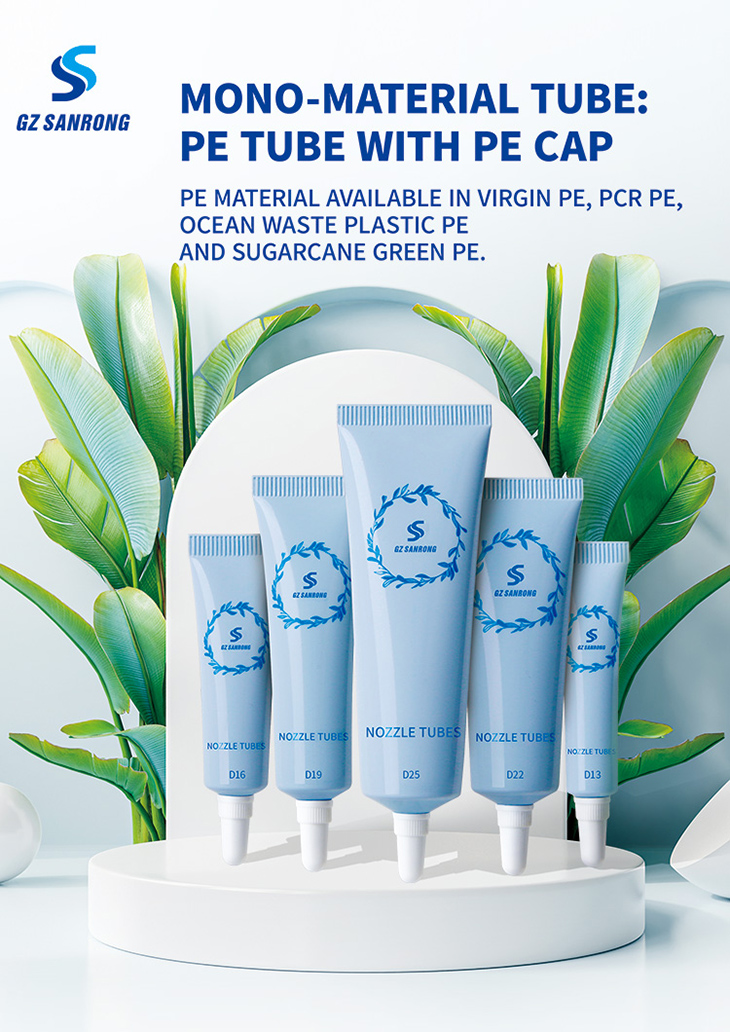
Your package is the first handshake, the initial whisper of what's inside. It should carry the essence of your brand—its values, its quirks, its reason for being—before the box is even lifted. Think of the unboxing not as an afterthought, but as the opening lines of a conversation you’ve been waiting to have.
Every detail, from the texture of the paper to the way the folds align, can echo your narrative. A matte finish might speak of understated elegance, while a bold, hand-drawn pattern reveals a playful spirit. Even the sound of unwrapping—the crinkle, the tear—becomes part of the experience, building anticipation for what lies within. It’s not just protection; it’s a prelude.
When you let your packaging do the storytelling, you turn a simple container into a keepsake. Customers don’t just open it—they remember it. They might even share that moment, not because they were asked to, but because it felt like something worth preserving. That’s the kind of first impression that doesn’t fade.
Barrier Science: Keeping Formulas Fresh Longer Without Extra Preservatives
The idea of keeping a formula fresh without loading it with extra preservatives sounds almost too good to be true, but it all comes down to how you shield the product from its environment. Barrier science isn't about killing microbes after they show up—it’s about creating physical and chemical obstacles that stop them from ever thriving. By carefully engineering the interface between a product and the outside world, you can dramatically slow down oxidation, moisture ingress, and microbial contamination. This often involves tweaking packaging, but it’s just as much about the formula itself—using film-forming ingredients that create a protective matrix around active compounds, essentially locking freshness in and keeping spoilage factors out.
One overlooked aspect is how water activity and pH work as silent gatekeepers. Instead of reaching for another preservative blend, formulators sometimes shift the formula’s water activity to a level where most bacteria and fungi simply can’t grow, even if they sneak in. Pair that with a packaging design that minimizes air exchange, and you’ve bought days or weeks of extra shelf life without a single drop of synthetic preservative. Films formed by certain polysaccharides or proteins at the product’s surface can also act as oxygen barriers, reducing rancidity in oil-rich formulas. The trick is making these barriers invisible and feel-good on the skin, so consumers never know the science working behind their daily moisturizer.
The Feel Factor: Why Touch Matters More Than You Think
Most of us navigate the world through sight and sound, rarely stopping to consider how much we rely on our sense of touch. Yet, from the moment we are born, physical contact shapes our emotional and physiological development. A gentle stroke can slow a racing heart, while a firm handshake can convey confidence before a single word is spoken. This silent language of pressure, texture, and temperature operates beneath our conscious awareness, constantly influencing our decisions, relationships, and well-being.
Modern environments, however, are stripping away this essential sensory input. Smooth glass screens and sterile surfaces have replaced the textured, tactile experiences our brains evolved to expect. The result is a kind of sensory malnourishment—a craving for something we can’t always name. When we absentmindedly reach for a soft blanket or run our fingers along a rough stone wall, we’re not just fidgeting. We’re seeking a form of grounding that digital interfaces cannot provide, reminding ourselves that we are still creatures of flesh and bone in an increasingly intangible world.
From Organic Creams to Gourmet Pastes: Real-World Applications
The shift toward organic ingredients has transformed everyday kitchens, and nowhere is this more evident than in the rise of organic creams and gourmet pastes. What was once a niche interest among health-conscious foodies has blossomed into a staple for home cooks and professional chefs alike. Organic creams, with their rich texture and clean flavor profiles, are now the foundation of countless dishes—from silky soups and sauces to decadent desserts. By ditching synthetic additives and emphasizing sustainably farmed dairy or plant-based alternatives, these creams bring a wholesome, full-bodied taste that simply wasn't achievable with conventional options a decade ago.
On the savory side, gourmet pastes have carved out their own indispensable role in real-world cooking. Think of umami-packed sun-dried tomato paste, aromatic roasted garlic spread, or bold chili pastes that can elevate a simple weeknight pasta or marinade. Unlike mass-produced condiments, these artisanal blends rely on slow-cooked processes and heirloom ingredients to deliver complexity without unnecessary fillers. They've become the secret weapon for busy families looking to punch up flavor instantly, whether stirred into a stir-fry, brushed onto grilled vegetables, or used as a quick bruschetta base. The convenience they offer doesn't come at the expense of quality—something that more people are demanding as they scrutinize labels.
The real magic happens when these two categories intersect. A dollop of organic sour cream can mellow a spicy harissa paste; a swirl of cashew cream can turn a thick mushroom paste into a velvety pasta sauce. Beyond the home kitchen, small-batch producers are collaborating to create pairs that solve genuine cooking dilemmas—like an organic cream that's specifically formulated to hold up in high-heat applications when combined with a robust curry paste. These aren't just products stacked on a shelf; they're tools that reflect a deeper understanding of how people actually cook. By blending purity with practicality, organic creams and gourmet pastes are quietly rewriting the rules of mealtime, proving that real-world flavor doesn't have to be complicated.
Designing for Reality: Practical Tips to Avoid Tube Failures
Often, tube failures trace back to mismatches between the design parameters and actual operating conditions. Even minor overlooks in temperature swings, pressure spikes, or external vibrations can accumulate over time, leading to fatigue cracks or creep deformation. Rather than designing for a single ideal scenario, engineers should build in allowances for real-world variability—such as accounting for startup and shutdown cycles, unexpected flow fluctuations, and local hot spots that lab tests may not replicate. Using field data from similar installations and probing the extremes of the operation envelope during the design phase can dramatically reduce premature failures.
Material selection goes far beyond picking a grade off a chart. The grain structure, surface finish, and residual stresses from manufacturing all play into how a tube holds up under corrosion, erosion, or thermal shock. For instance, a stainless steel tube with a poorly passivated inner surface can become pitted far sooner than predicted. Involving metallurgists early, and specifying treatments like solution annealing or microfinishing, can transform a seemingly adequate material into a rugged, long-lasting component—without a hefty cost premium.
Installation and maintenance practices often override the best designs. A tube perfectly suited for high temperature can fail within days if installed with excessive preload or if support spans allow sagging and water hammer. Regular checks for vibration-induced fretting, alignment shifts, and unexpected dead legs where condensate collects are crucial. Training installation crews to follow route-specific guidelines and incorporating simple monitoring methods—like periodic boroscopic inspections or non-destructive testing—help catch early warning signs before they escalate into unplanned outages.
FAQ
Laminated tubes offer a unique blend of flexibility, barrier protection, and lightweight design that rigid containers simply can’t match. They reduce product waste, allow for precise dispensing, and can be produced with less material overall, making them a favorite for brands aiming to cut both costs and environmental footprint.
From high-definition printing to a variety of finishes like matte, gloss, or soft-touch, laminated tubes become a canvas for your brand story. Unconventional shapes, metallic accents, and custom caps turn an everyday item into a tactile experience that catches the eye and feels premium in hand.
Absolutely. Innovations include bio-based PE layers, post-consumer recycled content, and thinner barrier laminates that maintain product integrity while slashing plastic use. Some suppliers even offer tubes with up to 70% renewable materials, so you don’t have to choose between performance and planet.
Any viscous or semi-liquid formulation shines in a laminated tube—think cosmetics, oral care, pharmaceuticals, food pastes, and industrial adhesives. The tube’s ability to protect sensitive ingredients from oxygen and light while offering smooth, controlled dispensing makes it ideal for high-value formulations where every dose counts.
Many manufacturers now accommodate low minimum order quantities and digital printing, which eliminates plate costs for short runs. This allows indie brands and seasonal campaigns to have fully customized packaging without massive upfront investment.
The multi-layer structure typically combines aluminum or EVOH with polymers to create a near-impermeable shield against moisture, oxygen, and UV light. This active barrier keeps active ingredients stable and prevents contamination, so your product stays fresh from the first use to the last.
In most cases, yes. Tubes are designed to run on standard filling and sealing equipment with minor adjustments. Suppliers often provide technical specs and support to ensure a smooth transition, so you can scale up without re-engineering your entire production line.
Conclusion
Laminated tube solutions are transforming packaging by blending advanced material science with thoughtful design, offering brands a way to stand out in crowded markets. Unlike traditional rigid containers, these tubes are built with multiple layers that create an exceptional barrier against oxygen, moisture, and light, preserving product freshness without relying heavily on extra preservatives. This means creams, gels, and even gourmet pastes maintain their efficacy and flavor longer, giving consumers a premium experience from the first use to the last. Beyond protection, laminated tubes excel in aesthetics: high-definition printing and customizable finishes turn every tube into a canvas that communicates your brand’s identity before the cap is even twisted off. The tactile appeal is equally crucial—the soft, squeezable material feels pleasant in hand, and the satisfying control it offers enhances daily use, building subtle loyalty.
Real-world applications span from organic skincare to specialty food products, proving laminated tubes are versatile enough for thick balms or thin sauces alike. However, getting the design right demands attention to practical details to avoid common pitfalls like cracking, delamination, or difficult dispensing. Factors such as selecting the right barrier structure, optimizing tube diameter for product viscosity, and ensuring proper sealing are all part of the innovation process. When executed well, laminated tubes not only protect and present your product beautifully but also improve functionality and reduce waste through precise dispensing. Embracing this packaging means embracing a smarter, more engaging way to deliver your formula, turning everyday packaging into a strategic asset that resonates with discerning users and reinforces brand quality at every touchpoint.
Contact Us
Contact Person: Alex Wu
Email: [email protected]
Tel/WhatsApp: 86-20-37965868
Website: https://www.gzsanrong.com/en.html