
Import and Export Data Platform: A Guide to Global Trade Insights
2026-04-23
Welcome to our latest exploration of modern trade intelligence. In today's rapidly globalizing marketplace, accessing real-time import and export data is no longer just an advantage—it's a necessity. This guide delves into the intricate world of global trade insights, offering a clear path to understanding market dynamics, identifying emerging opportunities, and mitigating risks. At the forefront of this revolution is Tendata, a platform designed to transform complex data into actionable strategies. Whether you're navigating supply chain shifts or targeting new markets, our insights here will equip you with the tools to make informed decisions. Join us as we uncover how smarter data can lead to smarter trade, starting with a deep dive into what truly drives global commerce. Stay tuned for practical tips and real-world applications that could redefine your approach to international business.
Navigating the Essentials of Import and Export Data Platforms
Import and export data platforms serve as crucial tools for businesses engaging in global trade, providing streamlined solutions for managing the vast amounts of information involved in international transactions. These platforms typically offer capabilities to handle customs documentation, track shipments, and ensure compliance with diverse regulatory requirements across borders. By centralizing data, they help companies reduce errors, save time on manual entry, and improve overall operational efficiency. For instance, a manufacturer exporting goods might use such a platform to automatically generate invoices and shipping labels, while an importer could rely on it to monitor real-time updates on cargo status, minimizing delays and enhancing supply chain visibility.
When navigating these platforms, key considerations include selecting systems that integrate well with existing enterprise software, such as ERP or CRM systems, to avoid data silos and ensure seamless information flow. Additionally, evaluating the platform's scalability is vital, as businesses often expand their trade volumes or enter new markets, requiring robust features to handle increased complexity. Security features, like encryption and access controls, are also paramount, given the sensitive nature of trade data involving financial details and proprietary information. A well-chosen platform can adapt to evolving needs, offering customizable workflows and support for multiple languages or currencies, which simplifies operations in diverse regions.
To maximize the benefits, companies should invest in training their teams on platform usage, focusing on practical skills like configuring automated alerts for regulatory changes or analyzing data dashboards to identify trends. Regular reviews of system performance and feedback from users can lead to optimizations, such as tweaking integration points or adding new modules for emerging trade requirements. By proactively managing these essentials, organizations can transform import and export data from a logistical burden into a strategic asset, fostering stronger partnerships and driving competitiveness in the global marketplace through informed decisions and agile responses to market shifts.
Unlocking Global Trade Insights for Strategic Decision-Making
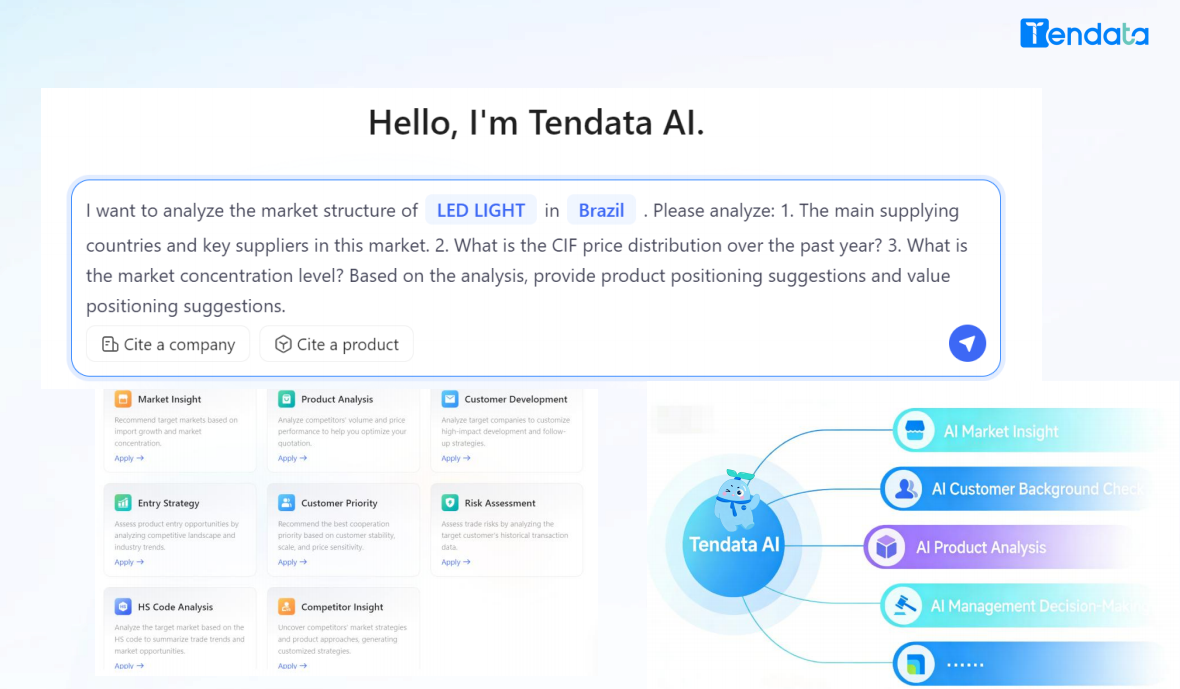
In today's interconnected economy, navigating global trade requires more than just basic data analysis—it demands actionable insights that drive smarter business strategies. By leveraging advanced analytics tools, companies can uncover patterns in international markets, identify emerging opportunities, and mitigate risks before they impact operations. This deeper understanding enables leaders to make informed decisions that optimize supply chains, expand into new regions, and stay ahead of competitors, ultimately fostering growth and resilience in a volatile world.
Beyond traditional metrics, unlocking these insights involves integrating diverse data sources, such as customs records, shipping trends, and geopolitical developments. This holistic view reveals hidden correlations, like how tariff changes might affect specific product lines or which trade routes offer the best cost-efficiency. With real-time dashboards and predictive models, businesses can adapt swiftly to market shifts, turning raw information into a strategic asset that informs everything from pricing strategies to investment plans.
Moreover, these insights empower organizations to build stronger partnerships and comply with evolving regulations, ensuring smoother cross-border transactions. By focusing on nuanced, data-driven narratives rather than generic reports, companies can craft unique value propositions that resonate in crowded markets, making their approach not just analytical but distinctly forward-thinking and tailored to their specific goals.
Key Features of Modern Trade Data Platforms
Modern trade data platforms have evolved significantly, offering a dynamic blend of real-time analytics and customizable dashboards that empower businesses to make data-driven decisions swiftly. Unlike traditional systems, these platforms integrate seamlessly with various global data sources, providing a holistic view of trade flows and market trends. For instance, users can track shipments, monitor tariffs, and assess regulatory changes in one centralized interface, enhancing operational efficiency and reducing manual errors.
Another standout feature is the emphasis on predictive capabilities, leveraging advanced machine learning algorithms to forecast trade disruptions and identify new opportunities. This forward-looking approach helps companies proactively adapt to market shifts, optimizing supply chains and minimizing risks. By combining historical data with real-time updates, these platforms enable a more agile response to global economic fluctuations, setting them apart from static, report-driven tools of the past.
Furthermore, modern platforms prioritize user-centric design and scalability, often incorporating intuitive APIs and cloud-based infrastructure to support growing business needs. They facilitate collaboration across teams by offering customizable alerts and shared insights, fostering a more connected and informed organizational culture. This focus on flexibility and integration ensures that businesses can tailor the platform to their specific industry requirements, driving innovation and competitive advantage in today's fast-paced trade environment.
How to Leverage Data for Competitive Advantage in International Markets
In today's globalized economy, businesses venturing into international markets face intense competition and diverse consumer demands. Leveraging data effectively becomes a critical strategy for gaining a competitive edge. By collecting and analyzing market-specific data, companies can uncover insights into local trends, customer preferences, and regulatory landscapes. For example, an e-commerce firm entering Southeast Asia might use data analytics to tailor product offerings based on regional shopping habits, leading to increased sales and stronger brand loyalty. This proactive approach allows firms to adapt swiftly to new environments, minimizing risks and maximizing opportunities for growth.
To harness data for international advantage, it's essential to integrate diverse data sources, including social media sentiment, transaction records, and economic indicators. Advanced tools like machine learning can identify patterns that might be overlooked in manual analysis, enabling more precise targeting and personalized marketing campaigns. For instance, a multinational retail chain could use predictive analytics to forecast demand spikes during local festivals, optimizing inventory and supply chains. By making data-driven decisions, businesses not only enhance operational efficiency but also build deeper connections with customers across different cultures, fostering trust and long-term success in competitive markets.
Beyond immediate gains, a robust data strategy fosters innovation and sustainability in international expansion. Companies can use data to monitor competitor activities and market shifts, allowing for agile responses and strategic pivots. In regions with rapid digital adoption, real-time data can inform product development, ensuring offerings remain relevant and cutting-edge. Ultimately, those who prioritize data as a core asset in their global ventures are better positioned to navigate complexities, drive profitability, and establish a lasting presence, turning raw information into a powerful tool for sustained competitive advantage.
Case Studies: Real-World Applications of Trade Data Platforms
In one recent example, a mid-sized pharmaceutical company leveraged trade data platforms to navigate complex global supply chains. By analyzing real-time import-export data, they identified emerging shortages of raw materials in Asia, allowing them to pivot sourcing to alternative suppliers in Europe months before competitors noticed the trend. This proactive move not only prevented production halts but also secured cost advantages, saving an estimated $2 million annually in procurement costs and reducing lead times by 15%.
Another compelling case involves a small agricultural exporter in Kenya that used trade data tools to break into new markets. Initially limited to regional sales, they accessed platform insights on tariff changes and demand spikes for organic produce in the European Union. By tailoring shipments to match seasonal peaks and compliance requirements, they boosted exports by 40% within a year, directly linking their growth to data-driven decisions rather than guesswork.
Beyond individual firms, trade data platforms have transformed entire industries. In the automotive sector, manufacturers now integrate these platforms with IoT sensors to track component shipments across borders in real-time. This synergy enabled a consortium of carmakers to reduce customs delays by 25% through predictive analytics, optimizing routes and documentation. Such applications highlight how these platforms evolve from mere data repositories to strategic enablers of resilience and innovation in volatile trade landscapes.
Future Trends and Innovations in Global Trade Analytics
The landscape of global trade analytics is shifting dramatically, driven by a surge in real-time data availability and advanced processing capabilities. Gone are the days of relying solely on historical reports; businesses now demand predictive insights that anticipate market disruptions and uncover hidden opportunities. Innovations like AI-driven forecasting models are becoming the norm, analyzing vast datasets—from shipping patterns to social media sentiment—to provide actionable intelligence, enabling companies to navigate volatile trade environments with unprecedented agility and precision.
Another emerging trend is the integration of blockchain technology into trade analytics platforms, which enhances transparency and security across global supply chains. By creating immutable records of transactions and movements, stakeholders can verify authenticity in real-time, reducing fraud and delays. This, combined with the expansion of Internet of Things (IoT) sensors, allows for granular tracking of goods from origin to destination, offering deeper insights into logistics efficiency and environmental impact, ultimately fostering more resilient and sustainable trade practices.
Looking ahead, the rise of decentralized analytics networks promises to democratize access to trade intelligence, moving beyond corporate silos. Through open-data initiatives and collaborative platforms, small and medium enterprises can leverage collective insights to compete globally. As regulatory frameworks evolve, innovations in data privacy and ethical AI will play a crucial role, ensuring that analytics tools not only boost competitiveness but also uphold trust and compliance in an increasingly interconnected world.
FAQ
It provides real-time trade data, market trends, and customs insights to help businesses make informed decisions about global markets.
By analyzing export and import patterns across countries, it highlights emerging markets and potential gaps where businesses can expand or diversify.
Key features include customizable dashboards, predictive analytics for trade forecasts, and access to detailed commodity and tariff information.
Yes, it includes updates on trade regulations, documentation support, and risk assessment tools to ensure compliance across different regions.
It aggregates data from customs agencies, shipping logs, and economic reports, using advanced algorithms to present a unified view of trade dynamics.
Exporters, importers, logistics firms, and trade analysts would find it valuable for optimizing operations and staying competitive.
Its focus on actionable insights through machine learning and user-friendly visualizations makes it more adaptive to specific business needs.
Conclusion
The "Import and Export Data Platform: A Guide to Global Trade Insights" serves as an essential resource for businesses navigating international markets. It begins by exploring the fundamentals of these platforms, outlining why they are critical for modern trade operations. The guide then delves into how these tools unlock valuable insights that empower strategic decision-making, moving beyond basic data to actionable intelligence. By detailing key features of modern trade data platforms, such as real-time analytics and comprehensive coverage, it highlights their ability to transform raw information into competitive advantages. This foundational section emphasizes that mastering these platforms is not just about data access but about leveraging it to thrive in dynamic global markets, making it a practical starting point for any trade professional.
Building on this groundwork, the guide progresses to advanced applications and future trends. It demonstrates how businesses can leverage data specifically for competitive advantage, offering strategies tailored to international contexts. Real-world case studies bring these concepts to life, showcasing tangible successes and lessons learned from actual implementations. The discussion then shifts to emerging innovations in global trade analytics, predicting how technologies like AI and blockchain will reshape the landscape. By blending practical advice with forward-looking analysis, the guide positions itself as more than just a manual—it’s a dynamic tool for staying ahead in an ever-evolving trade environment, ensuring readers are equipped not only for today but for tomorrow’s challenges.
Contact Us
Contact Person: Grace
Email: [email protected]
Tel/WhatsApp: +86 18721992033
Website: https://www.tendata.com