
High-speed Wire Rod Mill: Optimize Production with Cutting-Edge Technology
2026-03-07
In the world of modern manufacturing, efficiency and precision are paramount. Yet, many wire rod mills struggle with outdated technology that hampers productivity and inflates costs. How can you stay competitive in such a fast-paced industry? In this blog, we dive into the transformative power of cutting-edge technology in high-speed wire rod mills. From innovative automation to real-time monitoring, we'll explore how these advancements can revolutionize production lines. Join us as we uncover the key strategies and insights, backed by the expertise of GRM, a leader in rolling mill solutions. Get ready to discover practical tips and forward-thinking approaches that could redefine your operational success. Let's begin this journey toward optimized performance!
Revolutionizing Wire Rod Output with Modern Automation Systems
In the steel industry, the push for heightened efficiency and precision in wire rod production has led to a significant shift towards integrating advanced automation systems. Unlike traditional methods that often rely on manual interventions and slower processes, modern automation leverages robotics, IoT sensors, and AI-driven algorithms to streamline operations. This transformation not only speeds up output rates but also minimizes human error, ensuring that wire rods meet stringent quality standards with consistent diameters and surface finishes. As a result, manufacturers are seeing reduced waste and improved throughput, making automation a cornerstone for staying competitive in today's market.
Beyond just boosting production speed, these automation systems introduce a new level of adaptability and flexibility to wire rod mills. For instance, smart control units can automatically adjust parameters like temperature and rolling speed in real-time based on incoming data from sensors embedded along the production line. This dynamic approach allows for rapid responses to fluctuations in demand or raw material variations, something that was challenging with older setups. Moreover, predictive maintenance features powered by machine learning can forecast potential equipment failures before they occur, reducing downtime and extending machinery lifespan. Consequently, facilities equipped with such technology are better positioned to handle complex orders and maintain seamless operations around the clock.
The adoption of modern automation also fosters a safer and more sustainable working environment. By automating hazardous tasks such as high-temperature handling and heavy lifting, the risk of workplace accidents is greatly diminished. Additionally, automated systems often optimize energy consumption and material usage, contributing to lower carbon emissions and reduced resource waste. This dual benefit of enhancing safety while promoting eco-friendly practices is increasingly becoming a key driver for companies looking to revolutionize their wire rod output. Ultimately, as industries continue to evolve, embracing these cutting-edge technologies not only revolutionizes production but also sets new benchmarks for innovation and responsibility in manufacturing.
Enhancing Precision and Quality Through Advanced Process Controls
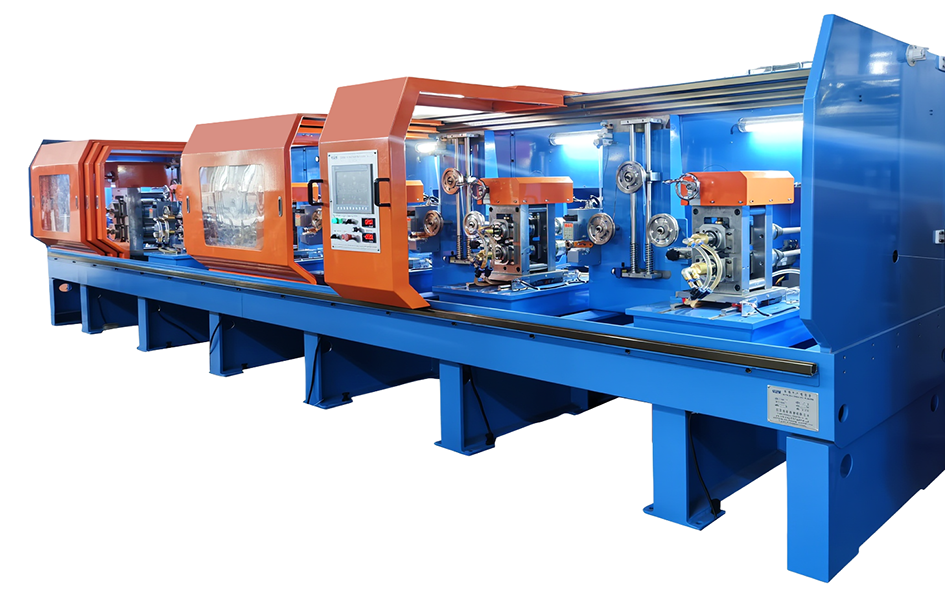
In today's competitive manufacturing landscape, leveraging advanced process controls has become a game-changer for businesses aiming to enhance both precision and quality. These systems go beyond traditional methods by integrating real-time data analytics and automated adjustments, allowing operations to fine-tune production parameters continuously. By minimizing human error and adapting to variable conditions on the fly, companies can achieve tighter tolerances and more consistent outputs, ultimately driving down defect rates and boosting customer satisfaction.
What sets advanced process controls apart is their ability to learn and predict, transforming static procedures into dynamic, intelligent workflows. Through machine learning algorithms and sensor networks, these systems detect subtle patterns and anomalies that might escape manual oversight, enabling proactive interventions before issues escalate. This not only sharpens precision but also elevates overall product quality, fostering a culture of continuous improvement where every batch meets rigorous standards without compromising efficiency.
Ultimately, embracing these controls isn't just about upgrading technology—it's about reshaping how value is delivered across the supply chain. As industries from pharmaceuticals to electronics adopt these innovations, the ripple effects include reduced waste, faster time-to-market, and enhanced brand reputation, proving that precision and quality are not mutually exclusive but deeply intertwined in modern operations.
Boosting Efficiency with Energy-Saving Innovations in Mill Operations
In today's competitive industrial landscape, mill operations face immense pressure to reduce energy consumption without compromising productivity. Many plants have discovered that small, strategic changes can lead to substantial efficiency gains. For instance, upgrading to high-efficiency motors and optimizing conveyor systems not only cuts electricity use by up to 30% but also lowers maintenance costs. This approach transforms energy from a fixed expense into a manageable variable, fostering a leaner, more resilient operation.
Beyond mere equipment upgrades, embracing smart technologies like IoT sensors and predictive analytics allows mills to monitor energy flows in real-time and preemptively address inefficiencies. Imagine a scenario where a slight temperature variation in a drying process is detected and corrected instantly, preventing energy waste. Such innovations create a dynamic environment where every kilowatt-hour is accounted for, driving continuous improvement and setting new benchmarks for operational excellence.
Ultimately, the journey toward energy efficiency in mill operations isn't just about adopting new tools; it's about cultivating a culture of innovation and resourcefulness. By integrating these advancements, facilities not only achieve regulatory compliance and cost savings but also contribute to a more sustainable future, demonstrating that economic and environmental goals can align seamlessly in modern manufacturing.
Leveraging Real-Time Data Analytics for Proactive Production Adjustments
Picture this: sensors on your assembly lines are feeding data streams straight to your dashboard, letting you spot bottlenecks the moment they emerge. Instead of waiting for weekly reports, you're tweaking machine settings on the fly to keep output smooth. Real-time analytics transforms raw data into actionable insights, empowering teams to shift from reactive firefighting to a proactive stance that anticipates issues before they escalate.
Beyond just fixing immediate problems, this approach weaves data into your decision-making fabric. By analyzing trends in real-time, you can predict maintenance needs, adjust workflows to match demand spikes, and even fine-tune quality control. This isn't a one-off fix—it's a continuous loop of learning and adaption that sharpens your production edge over time.
As you integrate real-time tools, you'll notice a cultural shift toward data-driven agility. Teams start collaborating more closely, using shared dashboards to align on priorities. This proactive mindset not only cuts downtime but also fuels innovation, turning everyday production challenges into opportunities for optimization.
Implementing Robust Maintenance Strategies to Minimize Downtime
Downtime is a nightmare for businesses, and implementing robust maintenance strategies is key to keeping operations running smoothly. Instead of just reacting to breakdowns, these strategies focus on preventing issues before they even arise, helping you avoid costly interruptions and maintain productivity. By planning ahead and regularly checking equipment, you can catch small problems early, saving time and money in the long run.
A strong maintenance plan often includes a mix of preventive and predictive approaches. Preventive maintenance involves scheduled tasks like cleaning, lubricating, and replacing parts based on time or usage, ensuring everything stays in good shape. Predictive maintenance takes it a step further by using sensors and data analysis to monitor equipment in real-time, alerting you to potential failures so you can act before they cause downtime, making your operations more resilient and efficient.
To minimize downtime effectively, it's also crucial to train your team and use reliable tools. Empower employees with the skills to perform routine checks and respond quickly to issues, while investing in quality software and hardware to streamline maintenance tasks. By fostering a proactive culture and leveraging technology, you can build a maintenance strategy that not only reduces unexpected stops but also boosts overall reliability and performance, giving your business a competitive edge.
Integrating Smart Technologies for a Competitive Edge in the Industry
Incorporating smart technologies into business operations can significantly enhance efficiency and innovation, allowing companies to streamline processes, reduce costs, and adapt quickly to market changes. By leveraging tools like AI, IoT, and data analytics, businesses gain real-time insights and automate routine tasks, freeing up resources for strategic initiatives and creative problem-solving. This proactive approach helps organizations stay agile and responsive, often leading to improved customer experiences and higher productivity levels.
Beyond internal efficiencies, smart technologies enable firms to develop unique products and services that differentiate them from competitors. For instance, using predictive analytics can help identify emerging trends and customer preferences, guiding targeted marketing efforts and personalized offerings. This not only boosts sales but also builds brand loyalty as customers perceive the company as forward-thinking and attentive to their needs, creating a sustainable competitive advantage in crowded markets.
Moreover, embracing these technologies fosters a culture of continuous improvement and collaboration within teams. By integrating smart platforms, employees can access shared data and collaborate more effectively across departments, leading to faster decision-making and innovative solutions. This cohesive environment not only enhances operational resilience but also attracts top talent who seek dynamic workplaces, further solidifying the company's position as an industry leader.
FAQ
Its integration of cutting-edge technology enables rapid production of high-quality wire rods, crucial for industries like construction and automotive.
By utilizing automated systems and real-time monitoring, it reduces downtime and enhances precision, leading to consistent output and lower operational costs.
Maintaining equipment at peak speeds while ensuring material quality demands precise control and skilled personnel to handle complex machinery.
Automation streamlines processes from raw material feeding to finishing, minimizing human error and increasing throughput without sacrificing standards.
They experience faster production cycles, superior product durability, and the ability to meet stringent market demands with greater flexibility.
Through energy-efficient designs and waste reduction techniques, they lower emissions and resource usage, aligning with sustainable manufacturing practices.
Conclusion
High-speed wire rod mills are transforming production capabilities by integrating cutting-edge automation systems, which revolutionize output through seamless control and monitoring. This modern approach enhances precision and quality via advanced process controls, ensuring consistent standards while boosting overall efficiency with innovations like energy-saving technologies. By leveraging real-time data analytics, operations become proactive, allowing for immediate adjustments that optimize workflow and reduce waste.
Additionally, implementing robust maintenance strategies minimizes downtime, ensuring continuous operation and reliability. The integration of smart technologies not only fosters a competitive edge in the industry but also drives long-term sustainability. Together, these elements create a holistic framework that maximizes productivity and quality, positioning high-speed wire rod mills at the forefront of industrial advancement.
Contact Us
Contact Person: Rayna
Email: [email protected]
Tel/WhatsApp: 86 -173 1474 6343
Website: https://www.grmrollingmill.com/