

Export Steel Pallet Supplier Tips for International Buyers
2026-09-22
Sourcing steel pallets from overseas can feel like navigating a maze of freight costs, quality claims, and hidden compliance traps. Whether you're equipping a new warehouse or switching suppliers, the difference between a seamless shipment and a costly headache often comes down to the exporter's experience—and their transparency. Lanyuda has spent years refining export-grade steel pallet production, yet many buyers still overlook the small details that determine long-term performance. In this guide, we unpack the practical tips that seasoned importers use to vet suppliers, avoid common pitfalls, and secure pallets that actually survive the journey.
Pin Down the Exact Steel Grade Before Sampling
Sampling without confirming the precise grade is like grabbing a handful of metal shavings and hoping they represent the whole heat. Grade designations such as A36, 4140, or 316L aren't just labels—they dictate chemical composition limits, mechanical property expectations, and the very test methods you'll need to run. Check the mill test report against the physical marking on the stock, and if the two don't match, stop and sort it out before any cutting or drilling begins.
Once you've locked in the grade, every downstream decision gets easier. You'll know whether to prepare a spectrographic sample, a tensile coupon, or a corrosion test piece, and you'll avoid wasting hours on a result that gets rejected because the material was actually a close cousin rather than the specified alloy.
Ask for Weld Inspection Records, Not Just Product Photos
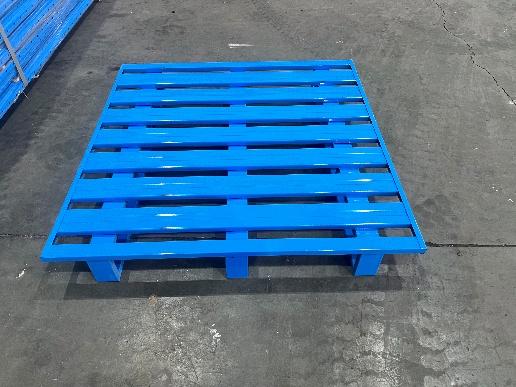
Glossy product photos can make any weld look clean and professional, but they won't show you what's hiding beneath the surface. A smooth bead on the outside doesn't guarantee full penetration, proper fusion, or the absence of cracks and porosity inside. That's why you should always ask for the actual weld inspection records—the documents that detail what testing was done, which standards were applied, and what the results showed. Without them, you're essentially buying on faith, and faith doesn't hold up well under load.
Think of it this way: a photo tells you what the weld looks like on the day it was taken. An inspection record tells you what it’s made of. Did they run ultrasonic or radiographic tests? Were there any repairs, and if so, were they re-inspected? Who signed off on the final result? These are the questions that separate a supplier who takes quality seriously from one who just knows how to angle a camera. If a vendor hesitates to share these records, that hesitation is itself a warning sign.
In many industries, weld inspection records aren't optional extras—they're part of the legal and contractual trail. When something fails, these documents are what investigators and insurers look at first. So don't settle for a pretty picture. Ask for the paperwork, review the test methods, and keep a copy on file. Your project's long-term safety depends on evidence, not appearances.
Compare Coating Standards Across Different Export Regions
Exporters often assume that a coating approved in one market will pass without friction elsewhere, but regional standards rarely align that neatly. The European Union leans heavily on REACH and specific VOC directives, while the United States mixes federal rules with state-level requirements like California’s CARB limits. A product that meets EU emission caps may still face pushback in Australia or Japan, where testing protocols and documentation expectations differ even when the underlying chemistry is similar.
Instead of chasing a single “global” certification, experienced suppliers build a matrix that maps each coating formulation to the relevant standards in target markets. For example, ISO 12944 covers protective paint systems for steel structures and is widely referenced, but Brazil, South Korea, and Gulf Cooperation Council members may layer additional national restrictions or inspection practices on top. Reviewing these overlaps early can prevent costly reformulation or rejected shipments at the port.
It also helps to watch how regional standards evolve. China’s GB standards and India’s BIS requirements have shifted in recent years, tightening limits on heavy metals and volatile organic compounds. Keeping a living comparison document, updated every quarter or after major regulatory notices, gives coating exporters a practical edge without overinvesting in redundant testing.
Lock Down Packaging and Incoterms Before the First Quote
A surprising number of quotes fall apart because the packaging was treated as an afterthought. Before you send a single number to a customer, the exact carton dimensions, gross weight, pallet pattern, and whether goods ship loose or containerized have to be written down and approved. These details determine freight class, cube utilization, loading time, and even whether a shipment can move via LTL or requires a full truck. If the seller later discovers the product needs extra foam or a larger box, the landed cost changes, and the margin you quoted disappears.
Incoterms need the same discipline. Saying “FOB” without naming the port and the Incoterms 2020 version invites confusion over who pays terminal handling, export clearance, or unloading at destination. A quote built on EXW will look dramatically cheaper than one priced DDP, but it shifts inland haulage, insurance, and import duties onto the buyer. Lock the term to a precise location—FCA Shenzhen, DAP Rotterdam, whatever matches the actual operation—and include it in the quote worksheet. Otherwise every negotiation invites someone to “clarify” a cost that was never budgeted.
The fix is simple but rarely done: make packaging data and Incoterms part of the RFQ response before pricing is built. A one-page logistics annex with photos, pallet layouts, and a named place for delivery takes less time to prepare than one round of back-and-forth after a quote has already been issued. When both sides sign off on those details, the quote becomes a shared baseline instead of a guess.
Run a Small Trial Order Before Committing to Full Containers
Placing a full container order without testing the market is like buying a year's supply of a new snack you've never tasted. A small trial run lets you verify product quality, packaging durability, and how well the item actually sells before your warehouse is stacked to the ceiling. Suppliers sometimes offer sample batches or split shipments for exactly this reason, so don't be shy about asking.
Beyond checking the physical goods, a trial order reveals how the supplier handles real logistics. You'll see their lead times, communication style, and whether they label or pack the way you requested. Fixing these issues on a few dozen units is cheap and painless; discovering them after three pallets arrive is neither.
Once the trial batch meets your standards and customers respond well, you can scale up with confidence. The small order isn't wasted money—it's the cheapest insurance you'll ever buy against a container full of regrets.
Set a Simple Incoming Quality Checklist for Every Shipment
Most receiving docks run on memory and habit, which means small defects slip through when things get busy. A simple incoming quality checklist doesn't need to be exhaustive. It just needs to catch the recurring problems that actually show up in your operation. Start with five or six items that take less than two minutes to verify, not a multi-page audit form that nobody fills out after the first week.
Focus the checklist on what matters at the dock: Is the outer packaging damaged or wet? Does the carton count match the delivery note? Are the product labels correct and scannable? Are the required quality documents (COA, inspection report, or packing slip) inside? If you can, add one random sample check per pallet—open a box and look for obvious visual defects or test a simple function. These items catch most incoming issues without slowing down unloading.
Print the checklist on a single sheet and keep a stack next to the receiving desk. Have staff tick boxes and initial each shipment, and if something fails, take a photo with a phone before moving the goods aside. Review the checklist monthly and remove items that never catch problems, replacing them with ones tied to recent complaints or returns. The goal is a living tool that stays easy enough to use on every single delivery.
FAQ
Look beyond the catalog. Request a sample with the exact load capacity you need, and ask for mill certificates for the steel. Many suppliers quote lower by using thinner gauge material, which shows up only under real load testing.
Ask about their packaging process and past export destinations. A reliable supplier will mention edge protectors, shrink wrap, and wood bracing inside containers. If they hesitate on Incoterms or cannot provide a packing list photo from a recent shipment, move on.
Yes. Besides the pallet price, you may face anti-rust coating options, customs broker fees, port handling, and possibly anti-dumping duties depending on origin. Get a landed cost breakdown before ordering, not just an FOB quote.
Flatness tolerance, fork pocket dimensions, and overall height consistency. Automated systems require not more than a few millimeters variation. Ask the supplier for their flatness testing report, not just a drawing.
Request a video walkthrough of their welding and coating line. Look for visible procedures like jigs and fixtures, not freehand welding. Also ask for their defect rate from previous batches and a third-party inspection report from an agency like SGS or BV.
No. Steel pallet pricing depends heavily on steel gauge, weight, and coating. A cheaper pallet might use 1.5mm steel instead of 2mm and fail after a year. Compare cost per load cycle, not just unit price.
Hot-dip galvanizing is the most durable but adds cost and can affect dimensions slightly. Powder coating is good for dry warehouses. For cold storage, avoid standard paint that cracks at low temperatures. Ask for salt spray test hours for any coating claim.
Agree on a single point of contact and use a shared spreadsheet for order progress photos. Time zone differences are manageable if the supplier commits to weekly video updates. Avoid suppliers who reply only to sales inquiries but disappear after deposit.
Conclusion
International buyers often assume that a steel pallet is just a steel pallet, but sourcing from export markets punishes that kind of thinking. Before you ever approve a sample, ask the supplier to state the exact steel grade on the quotation, not just “mild steel” or “export standard.” If you skip this step, you may end up with pallets that bend under a load they were never metallurgically designed to carry. Once the grade is locked, move past marketing photos and request weld inspection records. A clean warehouse photo cannot show porosity, undercut, or inconsistent penetration, but a simple inspection log or ultrasonic test summary will tell you whether the welds were actually checked or just made to look tidy.
Coating expectations also shift depending on where the pallet is produced. A supplier in one region may consider a thin powder coat acceptable, while another routinely applies hot-dip galvanizing for the same price. Clarify the coating thickness, salt-spray hours, or zinc layer weight before comparing quotes. At the same time, fix packaging and Incoterms early, because a low unit price disappears quickly if the pallets arrive scratched due to loose stacking or if the buyer is unexpectedly responsible for port charges. A small trial order remains the most reliable filter: it reveals how the supplier handles mixed loading, documentation, and real-world transit damage. Finally, prepare a basic incoming quality checklist—covering dimensions, weld appearance, coating adhesion, and pallet flatness—so every container is checked the same way, not by mood or memory.
Contact Us
Contact Person: Johnny
Email: [email protected]
Tel/WhatsApp: +86 18151010686
Website: https://lydstorage.com