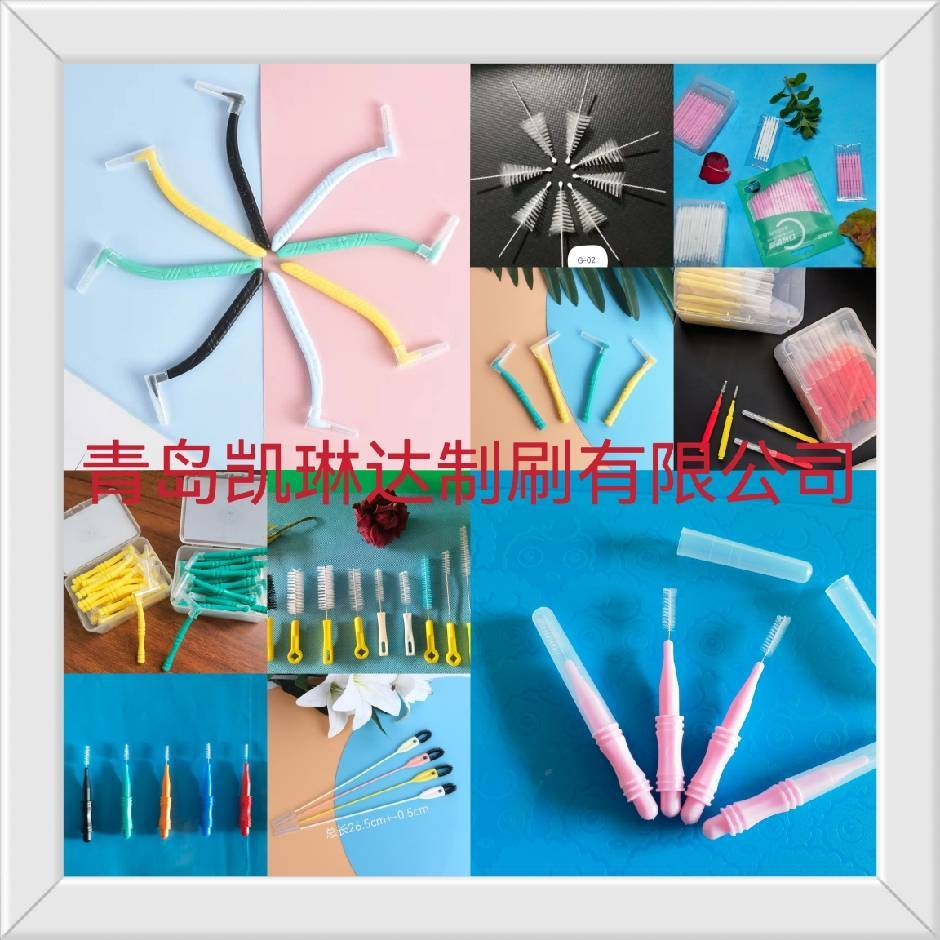

Custom Straw Brush Supplier: What to Look For in a Quality Partner
2026-06-09
Finding the right custom straw brush supplier can make or break your product line—especially when durability, hygiene, and design flexibility are non-negotiable. Yet, with so many manufacturers claiming top-tier service, it’s easy to get lost in generic promises. That’s where KLDZS stands apart, redefining what a quality partnership truly means. In this guide, we’ll cut through the noise and highlight the key factors you need to vet before committing—ensuring your brushes meet both your standards and your customers’ expectations.
Material Matters: What Your Straw Brushes Are Really Made Of
Most straw brushes look similar at first glance, but the bristle material can make or break your cleaning routine. Nylon bristles are the workhorses here—stiff enough to scrub away smoothie residue, yet gentle on glass and metal straws. They resist absorbing moisture, so they tend to dry quickly and stay odor-free longer than natural fibers. If you’ve ever found a brush that felt too scratchy or left micro-scratches, it was likely a cheaper polyester blend that had been cut unevenly.
On the flip side, stainless steel brushes bring serious durability but demand caution. The thin metal wires can scrub off tenacious gunk from reusable steel straws without bending out of shape, yet they’re a risky choice for acrylic or silicone straws—one wrong twist and you’ve carved permanent grooves that trap bacteria. Some brands try to soften the blow with coated tips, but the real differentiator is the wire gauge and how smoothly the ends are finished.
Then there’s silicone, the underdog that’s gaining traction. Instead of bristles, these have flexible nubs or a spiral design that squeezes through bent straws without snagging. The material is non-porous and dishwasher-safe, making it a smart pick for anyone deep-cleaning in bulk. It won’t scrub as fiercely as nylon, but for daily maintenance—especially with kids’ cups or hydration packs—it’s hard to beat for sheer ease of use.
Customization Without Compromise: Getting the Exact Brush You Need
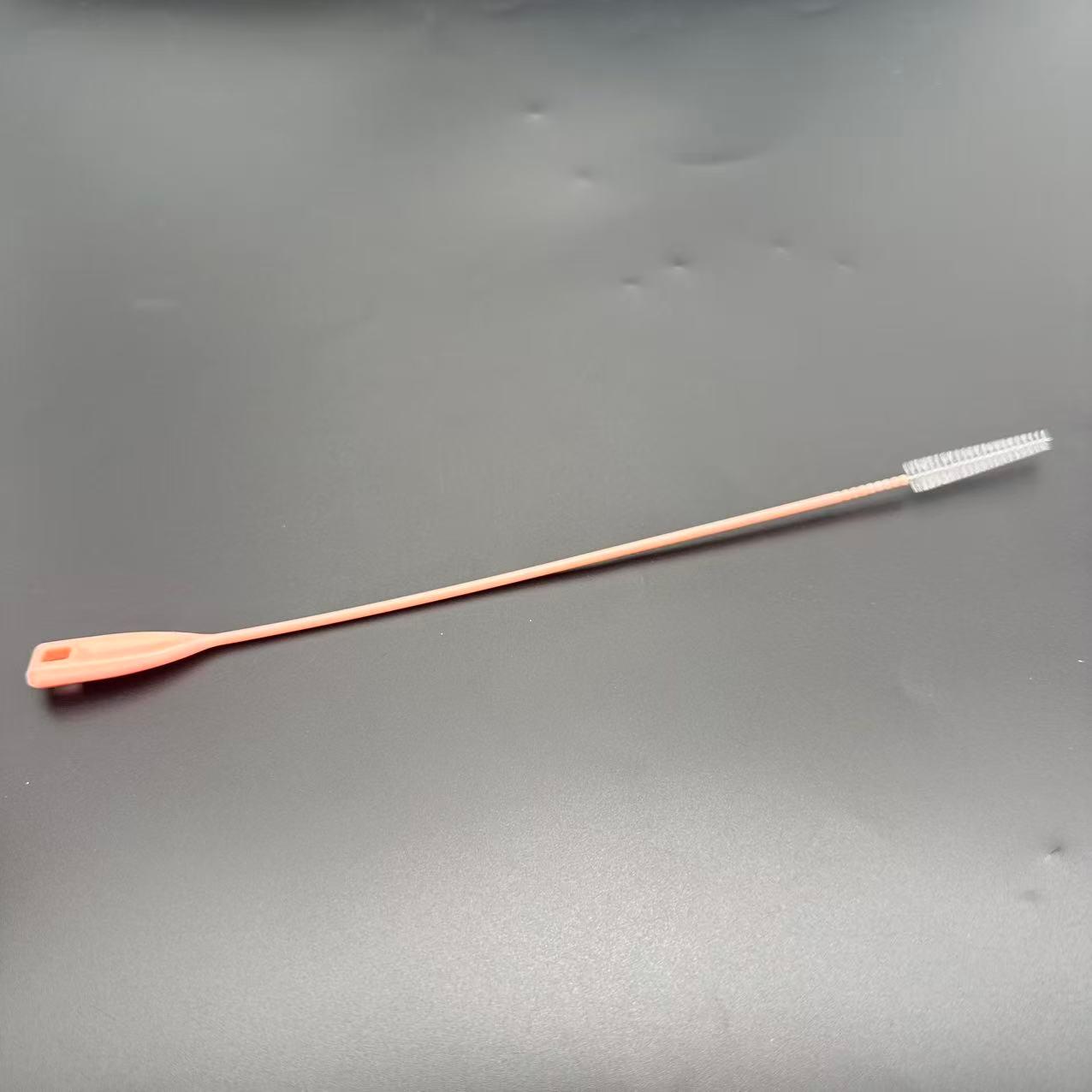
The process starts with a simple conversation about what you actually need. Maybe you're working on a project that demands a very specific filament diameter, or you have a tight spot where standard brush heads just won't fit. Instead of settling for a one-size-fits-all solution that leaves you frustrated, you describe the ideal tool for your task. From there, every dimension, material choice, and bristle density is dialled in to match your requirements precisely.
There's no guessing or compromise when control is placed directly in your hands. You can specify everything from the length of the handle to the stiffness of the bristles, ensuring that the final product feels like a natural extension of your own process. Whether it's for delicate cleaning of intricate parts, applying coatings with absolute control, or reaching into recessed areas that typical brushes can't touch, the aim is to produce a tool that performs exactly as you envisioned.
What emerges isn't just a modified version of an existing product, but something built from the ground up to solve your particular challenge. The materials are selected not by what's cheapest or most common, but by what will hold up best for your application—be it chemical resistance, temperature tolerance, or static dissipation. When it arrives at your door, you won't have to adapt your workflow to the tool; the tool will have been adapted to your workflow.
Beyond the Sample: How to Gauge Production Consistency
Evaluating consistency across production runs demands more than a casual glance at a handful of samples. The sample itself is only a snapshot, often optimized for initial approval, while the real challenge lies in replicating that exact standard thousands or even millions of times. True consistency starts with defining measurable parameters that go beyond surface-level aesthetics—things like color drift across a batch, dimensional tolerances under different environmental conditions, and functional reliability when components are assembled at scale. Without these data-driven benchmarks, you risk mistaking a polished prototype for a scalable process.
One practical approach is to embed statistical process control early in the production cycle, treating every unit as a miniature experiment. Instead of waiting for end-of-line checks, gather real-time data from the line itself—weight variations, torque readings, thermal signatures—and map them against the reference sample’s performance envelope. This reveals patterns that single samples can’t capture, such as tooling wear that subtly shifts dimensions over a shift or material batch differences that only emerge after dozens of cycles. The goal isn’t perfect clones but a predictable distribution that stays within the acceptable range you’ve defined, allowing you to intervene before the drift becomes a defect.
Finally, consistency is also about the human and systemic factors that samples overlook: operator training, maintenance schedules, and supplier raw-material variability. A robust gauge includes periodic blind tests where line staff evaluate units without knowing whether they came from batch A or batch B, removing unconscious bias. Pair this with a simple but thorough traceability system—linking each product to its process parameters—and you transform consistency from an abstract ideal into a documented achievement that can be audited and refined continuously.
Clean Communication: Why Responsiveness Signals a Reliable Partner
True reliability in a partner often shows up in the small, everyday moments—like how quickly they reply to a message. When someone prioritizes getting back to you, it mirrors a deeper commitment to being present and engaged. It’s not about instant, round-the-clock availability, but about a pattern of thoughtful acknowledgment, even if it’s just a quick note to say they’ll respond more fully later. That kind of consistency removes the anxiety of guessing and demonstrates that your connection matters enough to protect it from unnecessary silence.
Responsiveness also acts as a litmus test for emotional transparency. A partner who openly communicates their capacity and bandwidth—whether they’re busy, overwhelmed, or simply need time to process—builds a foundation of honesty. This clarity prevents resentment from festering and turns potential friction points into opportunities for mutual respect. When both people can trust that their words will be met with timeliness and care, the relationship moves beyond performative check-ins and into a rhythm of genuine, reciprocal support.
Navigating Minimums and Lead Times Without the Headache
Minimum order quantities and extended lead times often feel like immovable barriers, especially when you're trying to stay nimble. But these constraints aren't necessarily deal-breakers. By shifting the conversation from rigid demands to collaborative problem-solving, you can uncover flexibility you didn’t know existed. For instance, many suppliers are willing to negotiate lower minimums if you commit to a trial run or agree to a slightly higher per-unit cost for the first batch. It’s about making the initial step easy for both sides.
Lead times, on the other hand, tend to be padded with buffer days that suppliers build in to manage their own uncertainties. Instead of simply accepting the quoted timeline, ask for a breakdown of what’s driving it. You might discover that certain components are sourced from sub-suppliers with their own delays, or that production slots open up during quieter periods. Syncing your orders with their production cycles—even if it means planning further ahead—can slash weeks off delivery without anyone feeling rushed.
The real trick is to treat these conversations as a partnership rather than a transaction. When you demonstrate an understanding of their constraints and show a willingness to adapt—like consolidating orders or adjusting packaging—suppliers often reciprocate. A little extra communication upfront spares you the headache of last-minute scrambles and builds the kind of relationship where, when you really need a favor, they’re already inclined to say yes.
The Hidden Details: Packaging, Labeling, and After-Sales Support
You can tell a lot about a product before you even turn it on. The box it arrives in, the way the contents are nestled inside—these aren't just practicalities. It's the first physical interaction you have, and the texture of the cardboard, the absence of excessive plastic, and how effortlessly the lid lifts off all set a silent expectation. When a company sweats the small stuff like a perfectly weighted, magnetic closure or includes a hand-drawn thank-you note instead of a glossy flyer, it signals that the same care likely went into the thing you actually purchased.
Labels often get treated as an afterthought, but they carry a heavy burden. Think about the times a barcode wouldn't scan at the store, or the serial number wore off within weeks, leaving you stranded for a warranty claim. The hidden detail isn't just clear printing—it's durable printing. The best labels survive sun exposure, greasy hands, and repeated cleaning without fading. I've also grown to appreciate brands that skip the jargon and give you the specs that matter for daily use right on the label, so you're not digging through a buried PDF just to figure out if you can safely use a certain charger.
After-sales support is the part everyone hopes they'll never need, yet its hidden design says everything. It's not simply about having a hotline; it's about the friction you encounter when something goes wrong. Real support hides in the details like how many steps it takes to actually get a replacement shipped, or whether the agent you chat with is empowered to solve your problem without bouncing you through three departments. I've seen expensive gear backed by automated apologies that go nowhere, while some budget purchases came with a direct email address that put me in touch with an actual engineer who saw the fix through. That's the invisible architecture that determines if you'll ever buy from them again.
FAQ
Request material safety data sheets and, if possible, a small test batch. Bend the bristles after soaking in hot water—if they splay or soften too fast, the nylon or silicone quality is likely subpar. Solid suppliers will also name their raw material sources without hesitation.
Ask for recent order completion timestamps for a volume similar to yours, not just a generic lead time. Then contact one of their shipping agents indirectly to cross-reference transit records. A partner who hesitates or can’t provide verifiable timelines usually overpromises.
Look for options to tweak bristle stiffness zonally, laser-engrave inside the handle cavity, or match packaging foil stamping to a Pantone exactly. Suppliers who offer micro-adjustments without huge MOQ jumps signal real manufacturing control.
Request unedited video walkthroughs of their cleanroom or production floor—live, if possible—not polished brochure photos. Check whether they separate food-contact and non-food-contact lines, and ask how they handle static dust on silicone bristles before bagging.
For fully custom molds, expect 5,000–10,000 units. Be wary of suppliers offering truly custom profiles under 1,000 pieces without a steep mold fee—they’re likely cutting corners, using existing stock, or padding tooling charges into per-unit cost.
A quality partner will suggest flat-pack disassembly or interleaving layers to prevent bristle crush, and show you drop-test videos from their own warehouse. Avoid those who only offer heavy outer cartons as a 'solution'—that just hides poor interior design.
Order a small pilot run, then a second identical order 6–8 weeks later. Compare bristle density, handle color, and alignment jig marks. Reliable suppliers preserve process parameters meticulously; inconsistent ones often change shift staff or material lots without documentation.
Conclusion
Finding a reliable custom straw brush supplier goes beyond a glossy catalog and fast promises. The real deal starts with materials—whether you need stiff Tampico, soft nylon, or food-grade stainless steel, a quality partner is upfront about sourcing and doesn't hide behind vague descriptions. Customization should feel like a collaboration, not a compromise. You want a supplier who listens to your exact specs for bristle density, handle ergonomics, or unique tip designs, and then delivers samples that reflect that vision instead of pushing what's already in stock. When they ask detailed questions about your usage environment—hot liquids, abrasive scrubbers, or delicate surfaces—it's a good sign they care about performance, not just closing a sale.
But a perfect sample is just the starting line. True reliability shows up in consistent production, where every brush in the batch mirrors the approved sample. Ask about their quality control steps, like random pull testing or bristle retention checks, and if possible, visit the workshop to see their processes firsthand. Communication plays an equal role—timely, clear replies during the sourcing phase often hint at how they'll handle hiccups down the road. Minimum orders and lead times can feel like a puzzle, but a thoughtful supplier helps you solve it with flexible options, maybe splitting shipments or suggesting smart inventory buffers. And don't write off the hidden extras: packaging that prevents bristle crush during transit, labeling that matches your brand guidelines, and after-sales support that doesn't vanish after the invoice is paid. These details often reveal whether your partner is truly invested in your product's lifespan, not just their own output.
Contact Us
Contact Person: Caiju Zhang
Email: [email protected]
Tel/WhatsApp: +86 14763963294
Website: https://www.kldbrush.com