
Custom Oil Mist Collector Solutions for Cleaner Industrial Air Quality
2026-06-21
Industrial air quality isn't just a compliance checkbox—it's the invisible foundation of productivity and worker well-being. When traditional oil mist collectors fall short, off-the-shelf solutions rarely fit the bill. That's where WINNRUI CNC steps in with tailor-made systems that tackle your specific contaminant challenges. This blog peels back the layers on how custom engineering delivers cleaner air, lower maintenance headaches, and a healthier shop floor.
Tailored Filtration for Unique Shop Environments
Every workshop has its own rhythm, materials, and challenges. From fine wood dust settling on delicate electronics to oily mists clouding a precision machining area, the threats to air quality are as varied as the work itself. That’s why a one-size-fits-all filter simply won’t do—your space deserves a solution that understands its specific demands.
We start by looking closely at what actually happens in your shop. Is it the abrasive grit from metal grinding, the sticky residue of paint overspray, or the invisible fumes from chemical processes? By mapping out the sources and the flow of contaminants, we shape filtration that integrates naturally into your workflow, not as an afterthought but as a quiet, constant protector.
The result is more than cleaner air. It’s a system that respects your craft: filters placed where they make sense, with the right media to trap exactly what your process releases. That means less maintenance guesswork, longer equipment life, and a workspace that feels as good as it performs—without ever reminding you it’s there.
Breathing Easier: Advanced Mist Collection
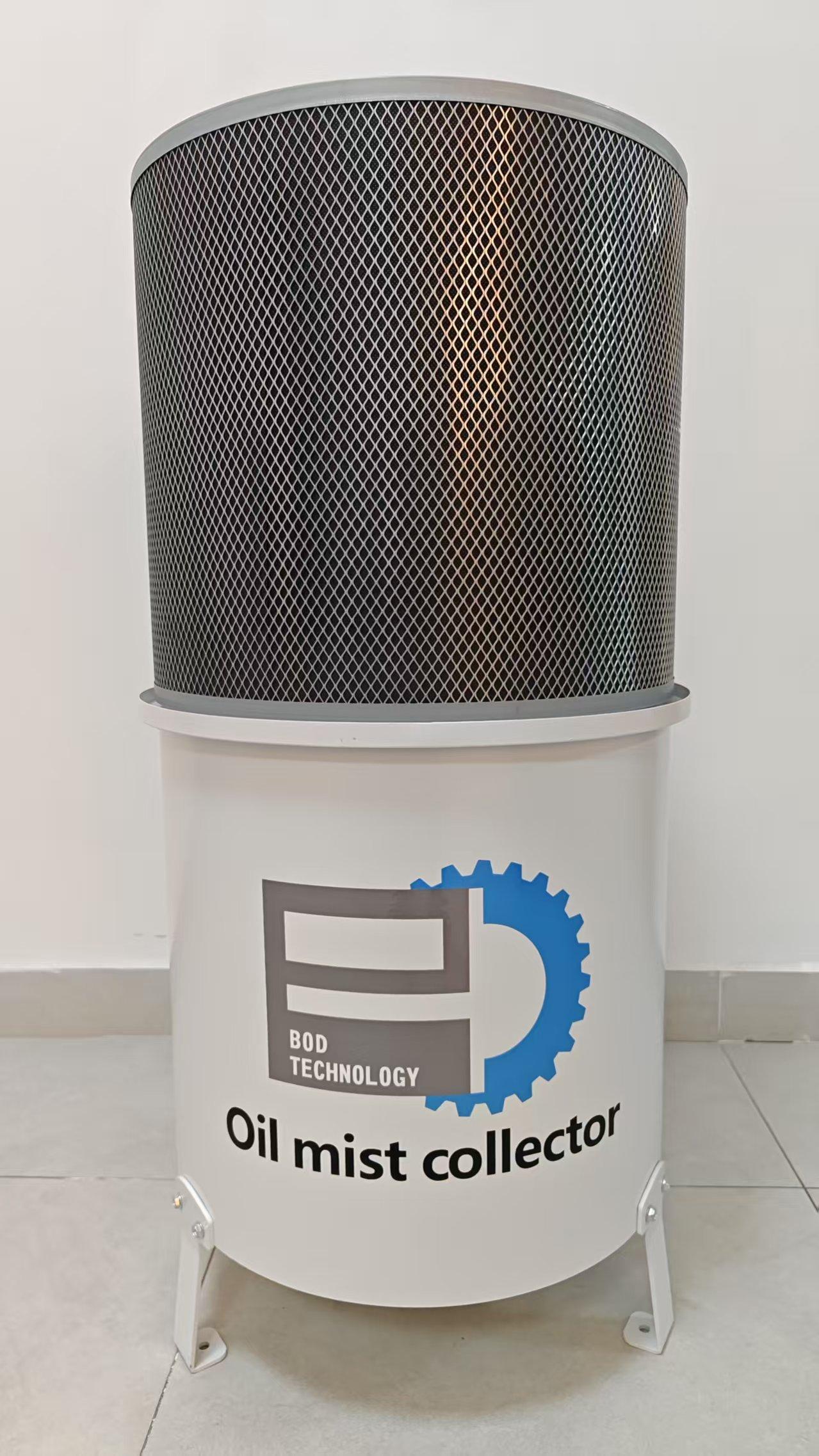
Factories and workshops often wrestle with airborne mist that degrades air quality and settles on equipment. Instead of relying on basic filters that clog quickly, modern mist collection tackles the problem at the source. By capturing coolant and oil particles right where they’re generated, these systems keep the workspace visibly clear and stop the gradual buildup that leads to slip hazards and machine wear.
What sets advanced units apart is a multi-stage approach that pairs centrifugal force with graduated filtration. Heavier droplets are spun out first, sparing the finer filter layers from premature saturation. This design extends maintenance intervals significantly and maintains consistent suction without the pressure drop that plagues single-stage setups. It’s a straightforward engineering fix that prevents the sudden airflow loss workers often complain about.
The payoff goes beyond cleaner air. Operators report fewer respiratory irritations and less fatigue during long shifts, while quality control sees fewer defects from mist-laden surfaces. It’s a practical upgrade that quietly improves daily conditions without demanding constant attention.
Protecting Machinery and Personnel Alike
Shielding both equipment and people requires more than just physical barriers—it calls for an integrated approach that anticipates risk before it unfolds. From advanced sensor arrays that detect overheating or unusual vibration patterns to automated shutdown protocols triggered in milliseconds, modern systems create a protective envelope that works silently in the background, allowing operators to focus on productivity rather than potential hazards.
Of course, hardware alone isn't enough. Comprehensive training programs that emphasize real-world scenarios and human factors play a decisive role. When maintenance crews instinctively know how to verify lockout procedures and operators can interpret warning signals with precision, the line between machinery safety and personal well-being blurs. Regular drills that mirror uncommon but plausible emergencies embed those reflexes until they become second nature, drastically reducing incident response times and preventing cascading failures.
Ultimately, intelligent safety design treats machinery and personnel as interwoven elements of a single ecosystem. Ergonomic guarding that doesn't impede workflow, predictive analytics that schedule maintenance during normal downtime, and transparent communication protocols between shifts—all these details compound to create an environment where security is baked in, not bolted on as an afterthought. The result is a workplace where protecting machinery and personnel isn't a compromise but a seamless, self-reinforcing loop.
Smart Systems for Real-Time Air Monitoring
The shift toward intelligent environmental oversight has made real-time air quality tracking more accessible and precise than ever before. Compact sensor networks now capture particulate matter, volatile organic compounds, and gas concentrations at street-level resolution, feeding this data into cloud-based analytics platforms. Unlike older monitoring stations that offered delayed snapshots, these setups process thousands of readings per minute, allowing cities and industries to spot pollution spikes the moment they occur.
Behind the scenes, machine learning models sift through the continuous stream to distinguish normal fluctuations from genuine anomalies. This means factory operators can adjust emissions on the fly, while urban planners get a living map of air quality across neighborhoods. The real payoff comes from integrating this with public alerts and automated ventilation systems—people with respiratory conditions receive warnings before stepping outside, and buildings can seal themselves during hazardous events. It’s a quiet but profound shift from reactive measurement to proactive protection.
From Design to Installation: A Partnership Approach
True partnership in our work means we ditch the typical handoff chaos. Instead of one team dreaming up a design and tossing it over the fence for installation to figure out, we bring everyone to the table from day one. Architects, engineers, and on-site crews talk through real-world constraints before a single line is finalized. That early give-and-take eliminates rework, surfaces better ideas, and builds trust that carries through to the final bolt.
When installation day arrives, it feels less like a scramble and more like a shared finish line. Our on-site leads already understand the design intent because they helped shape it. They spot potential snags before they happen, suggest adjustments without ego, and keep the project moving with minimal drama. It’s a straightforward approach, but it changes everything—you get a space that works beautifully, delivered by people who actually enjoy building it together.
Meeting Compliance Standards Without Compromise
Sticking to compliance standards often gets framed as a trade-off: you either hit the marks and slow everything down, or you cut corners to keep moving. That’s a false choice. The most resilient organizations weave regulatory demands into their everyday workflows so thoroughly that the friction disappears. They don’t treat audits as emergencies or bolt on fixes at the last minute—they build habits that make compliance an almost invisible side effect of how work gets done.
What trips up many teams is the assumption that rigorous standards mean rigid processes. In practice, the opposite can be true when you design systems that adapt as rules evolve. Instead of chasing checklists, savvy groups invest in a culture where everyone understands why a regulation exists and then finds the least burdensome way to honor it. This approach not only satisfies inspectors but also uncovers waste and risk long before they become expensive problems.
The real danger shows up when compromise creeps in under the radar—skipping a review step here, accepting a vague record there. Those small concessions accumulate quietly until a single incident exposes a pattern of neglect. Holding the line doesn’t require heroics; it requires clarity. When expectations are unambiguous and accountability is shared, meeting standards becomes less about saying no and more about simply doing the work right the first time.
FAQ
It's a filtration system designed to capture airborne oil droplets, smoke, and vapors produced during machining or manufacturing processes. Without one, these contaminants can accumulate on equipment, create slip hazards, and degrade indoor air quality, potentially affecting worker health and product integrity.
Custom systems are engineered to match the specific airflow, pressure, and contaminant load of your operation. They account for factors like the type of oil used, machine configuration, and spatial constraints. This tailored approach often results in better capture efficiency, lower energy consumption, and longer filter life compared to generic models.
Any sector that involves metalworking, machining, or lubricant use can benefit. Common examples include automotive manufacturing, aerospace component production, medical device fabrication, and heavy equipment repair. Essentially, if cutting fluids or coolants are present, an oil mist collector is worth considering.
Absolutely. Oil mist in the air can lead to slippery floors and respiratory issues for employees. By removing these particles at the source, you reduce the risk of accidents and help meet occupational exposure limits. A cleaner environment also tends to boost morale and productivity.
Experience in your specific industry is key. Ask for case studies or references that demonstrate their expertise in similar applications. Also, evaluate their after-sales support—filter replacement availability, maintenance training, and system performance guarantees. A good partner will conduct a thorough site assessment before proposing anything.
Initially, there's an investment, but over time the savings add up. Cleaner air means less maintenance on HVAC systems and machinery, fewer unplanned downtimes, and extended equipment lifespan. Some facilities also see reduced coolant consumption because the reclaimed oil can be recycled back into the process.
Yes, particularly concerning indoor air quality and worker health. Regulations like OSHA's permissible exposure limits or local environmental guidelines often push facilities to control oil mist emissions. A properly designed system not only helps meet these standards but also prepares you for potential future tightening of rules.
Conclusion
In modern industrial settings, maintaining clean air isn’t a one-size-fits-all challenge. Custom oil mist collectors are engineered to address the specific layout and operational nuances of each shop floor. Advanced filtration technology captures even the finest droplets, which means operators breathe comfortably and machinery runs without the constant assault of sticky residues. This dual benefit—safeguarding both human lungs and precision equipment—significantly reduces maintenance intervals and health risks.
True protection goes beyond the hardware. Integrated smart sensors allow real-time monitoring of air quality, alerting teams before particulate levels breach thresholds. We work side-by-side with facilities from initial design through commissioning, ensuring the system integrates seamlessly into existing workflows. This collaborative approach, paired with steadfast adherence to regulatory standards, guarantees that compliance is never an afterthought—it’s built into every stage. The result is a cleaner, safer production environment where productivity and peace of mind coexist.
Contact Us
Contact Person: Tim
Email: [email protected]
Tel/WhatsApp: +86 15522553731
Website: https://www.winnrui-cnc.com/