

Custom Carrying Idler Roller Solutions for Enhanced Conveyor Performance and Longevity
2026-11-16
Carrying idler rollers may look like simple steel shells, but they’re where efficiency quietly slips away—through friction, misalignment, and premature wear. Standard sizes rarely match real-world loads, speeds, or dusty conditions, so conveyors end up working harder than they should. Custom carrying idler roller solutions flip that equation: each roller is designed around your specific operating data, not a generic catalog. With YUFENG, that means tighter tolerances, longer bearing life, and fewer stops for maintenance. Here’s how tailored rollers can turn a hidden weakness into a measurable advantage.
The Hidden Costs of One-Size-Fits-All Idlers
A generic idler might look like a bargain on the purchase order, but that initial saving tends to evaporate once it hits real operating conditions. Belt tracking issues, uneven roller wear, and premature bearing failures are common when the idler profile doesn’t match the load zone or belt speed. The result is a machine that demands constant attention — adjusting frames, swapping rollers, and cleaning up spillage that should never have occurred.
Then there’s the labor side. Every hour spent re-aligning a wandering belt or replacing a failed idler is an hour not spent moving material. In many plants, these small, repeated fixes get absorbed into daily routines, so nobody totals them up. But over a year, they add up to significant downtime and a maintenance backlog that quietly erodes capacity.
What really stings is how these costs hide in plain sight. A one-size-fits-all approach assumes every conveyor sees the same stress, which is rarely true at the transfer point, the curve, or the high-tension zone. Custom or application-specific idlers cost more upfront, but they hold alignment longer, reduce belt edge damage, and keep fugitive material off the walkways. That difference shows up not in the initial budget, but in the operating ledger at the end of the quarter.
Matching Shell Thickness to Real Loads, Not Averages
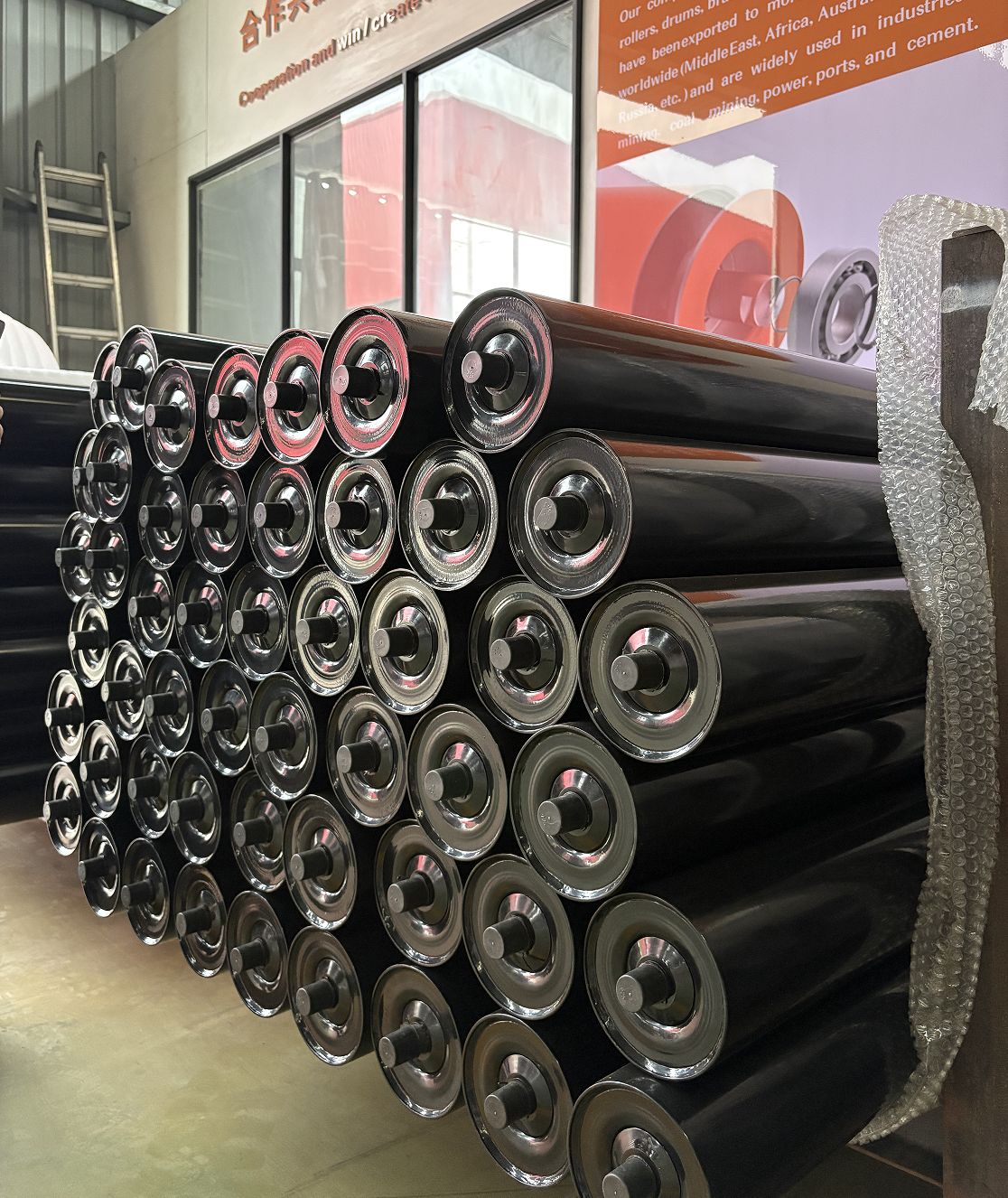
Engineers often fall into the trap of sizing shell thickness from a single averaged pressure or uniform load. But real vessels and enclosures rarely see uniform stress; nozzles, supports, and thermal gradients create sharp spikes. A shell that meets an average-stress criterion can still fail locally, especially at knuckle regions or attachment welds, where the actual loads concentrate and redistribution is limited.
Matching thickness to real loads means mapping the peak stress zones first. Scan the load path, identify discontinuities, and then add material only where the strain energy density is high. This approach prevents overbuilding low-stress areas and underbuilding critical ones. It also reduces fatigue risk, since cyclic loads at local hot spots drive crack initiation long before the average stress suggests trouble.
Bearing Choices That Survive Washdowns and Fine Dust
In washdown environments, the usual failure path isn't fatigue—it's ingress. Water, foam, and acid-based cleaners work past lip seals that were never designed for high-pressure spray, quickly washing out grease and starting corrosion. A better choice is a stainless steel bearing with an integrated flinger or a triple-lip seal, paired with a food-grade solid lubricant rather than standard grease. This combination keeps the rolling elements wet-free even when housings are sprayed from multiple angles.
Fine dust creates a different problem. Particles smaller than 10 microns act like lapping compound once they mix with lubricant, wearing races and balls long before any rust appears. Here the seal matters less than the purge path. Bearings with relubrication ports and a slightly open seal on the exit side let you push fresh grease through, carrying dust out instead of trapping it. Avoid metal shields—they reduce drag but leave a gap that fine powder easily exploits.
Material selection also shifts with the threat. For washdowns, 440C stainless or ceramic hybrid rings resist pitting under chemical attack, while polymer cages eliminate a metal-to-metal crevice. For dust, a hardened steel race with a nitrile contact seal often outperforms an expensive all-ceramic bearing, because the real issue is keeping grit away from the contact zone. In both cases, proper housing drainage and a lock nut that stays put under vibration matter as much as the bearing itself.
Why Seals Fail Early—and How to Stop It
Most early seal failures trace back to a handful of overlooked details rather than a single catastrophic flaw. Installers often nick the lip during assembly, leave shaft surfaces too rough or too smooth, or force a seal into a bore that is slightly out of round. Even a small scratch across the sealing edge becomes a leak path within hours. Contamination adds a second front: hard particles embed in the elastomer and act like miniature cutting tools, while incompatible fluids slowly swell or embrittle the material until it loses its grip.
The fix starts with treating installation as a precision step, not an afterthought. Use mandrels and guide sleeves, inspect shaft finish under magnification, and verify bore geometry before a single part goes in. On the materials side, match the seal compound to the actual operating environment—temperature spikes, chemical exposure, and pressure pulses all demand different formulations. A nitrile seal that works fine on a bench test can harden and crack within weeks when exposed to hot synthetic oil.
Condition monitoring closes the loop. Instead of waiting for a visible drip, track shaft temperature, vibration, and fluid consumption. A gradual rise in running temperature often signals increased friction from a seal that is about to fail. When those readings shift, schedule a replacement during planned downtime rather than after an unplanned shutdown. Early intervention costs a fraction of the cleanup and lost production that follow a blown seal.
Cutting Belt Wear with Better Roller Alignment
Misaligned rollers force the belt to scrub against side guides or tracking hardware, creating uneven edge wear that shortens replacement cycles. A small angular error at the tail pulley often goes unnoticed until a pronounced fray appears along one edge. Checking roller squareness with a straightedge and machinist's level usually reveals the issue before it becomes a chronic failure.
When roller axes are not parallel, the belt's tension shifts from its centerline to one side, concentrating stress on a narrow band. This causes localized thinning and can lead to splice separation. Re-shimming the brackets or replacing worn bearing housings brings the rollers back into true alignment. In many plants, a simple monthly inspection with a laser alignment tool cuts belt wear rates by a third or more.
What a Custom Idler Trial Looks Like in the Field
You show up before sunrise to a stretch of conveyor line that hasn't been shut down in months. The crew swaps out the standard idler for the custom prototype in about twenty minutes, using the same wrenches and hoists they'd reach for on any other replacement. No one reads a manual. The bolt pattern matches, the shell diameter is within a millimeter, and the grease fitting sits exactly where the maintenance team expects it. That first hour is just watching and listening.
By mid-morning, someone walks the length of the belt with a stethoscope pressed against the frame, marking spots where the old idlers used to sing. The custom unit runs quiet. Dust builds up in the usual places, but the bearing temperature stays flat while neighboring stock idlers climb ten or fifteen degrees under the same load. A handheld vibration meter gets passed around, and the readings keep landing in the bottom third of the chart. Nobody says much—they just jot numbers on a clipboard and move to the next splice.
After a week, the real test shows up in the wear pattern. The rubber lagging on the custom idler shows a clean contact line without the feathered edges you'd see from misalignment. Grease samples come back clean, no metal flecks. When the trial ends, the idler comes off the line looking like it could run another season. The crew tags it, crates it, and sends it back with a note that reads more like a handshake than a data sheet.
FAQ
Standard rollers are built to cover a broad range of conditions, so they rarely match your exact belt speed, load, and environment. Custom work lets you dial in the shell diameter, wall thickness, bearing type, and seal arrangement—so the roller actually fits the job rather than just being close enough.
If you're seeing accelerated shell wear in the center or edges, peeling lagging, frequent bearing lock-ups, or belt wander that adjustments won't fix, the roller geometry is probably mismatched. Those problems usually point to excessive load concentration or poor sealing rather than a belt issue.
Abrasive conditions favor hardened steel, ceramic-lagged, or thick polyurethane shells. Wet or chemical-heavy environments often call for stainless steel or engineered polymer to avoid corrosion pitting that leads to shell failure. Sometimes a composite shell with a wear-resistant coating is the sweet spot.
Yes. When rollers match the load and speed, they fail less often, and that means fewer stoppages, less labor spent on replacements, and less damage to the belt itself. The savings show up in maintenance budgets and production uptime even if the initial purchase price is higher.
Very important. A roller that isn't balanced properly vibrates and transmits that energy into the bearings and belt splice. Over time it creates uneven wear and can throw tracking off. Custom rollers are checked for balance against the intended belt speed, which helps keep the whole line quieter and more stable.
They can. When the carrying rollers keep the belt in a stable trough and reduce sag, the load stays centered. That minimizes spill over the edges and cuts dust generation at transfer points. It's not a replacement for proper skirting, but a well-matched roller set makes containment much easier.
Start by sharing your belt width, trough angle, material density, belt speed, and the problems you're currently facing. From there, the roller can be built around those parameters—no need to overcomplicate it. A good supplier will ask about ambient conditions and maintenance access too, so the design works in the real world.
Conclusion
Stock idlers often wear out faster because they're built around average conditions rather than the specific demands of a conveyor. A one-size-fits-all shell thickness may deflect under heavy, concentrated loads, causing premature tube failure and uneven belt tracking. Bearings selected for clean indoor use quickly degrade in washdown environments or when fine dust infiltrates the housing. The same goes for seals: standard lip seals can fail early if they aren't matched to the actual contamination level and moisture exposure. Custom carrying idlers eliminate these hidden costs by engineering each component to the real load profile, choosing sealed or shielded bearings that handle aggressive cleaning agents or abrasive fines, and pairing them with seal arrangements that hold up under pressure washing and dust storms.
Alignment is another area where off-the-shelf rollers create unnecessary expense. Slight manufacturing variations or bracket misalignment can cause the belt to wander, scrubbing against structure and wearing edges quickly. A custom idler program includes field measurements and trial installations to verify roller concentricity, shaft straightness, and frame fit before full rollout. During a trial, technicians monitor shell temperature, vibration, and belt tracking under normal operating conditions, then adjust shell thickness, bearing preload, or seal type based on observed data. This loop ensures the final idler design extends both roller life and belt life, reducing unplanned downtime and replacement frequency far more effectively than simply swapping in another generic part.
Contact Us
Contact Person: Jayce
Email: [email protected]
Tel/WhatsApp: 8615318787602
Website: https://www.yuphengbelt.com/