
Column Still Exporter Guide: What Distillers Need to Know Before Buying
2026-11-16
Choosing a column still is one of the most consequential decisions a distiller will make, yet the exporter you pick can matter just as much as the copper or stainless steel itself. From hidden logistics costs to after-sales support gaps, the path from factory floor to your distillery is full of traps that only reveal themselves after the deal is done. DYE has spent years untangling these pitfalls for buyers worldwide, and this guide distills that hard-won insight into a practical checklist—so you can negotiate with confidence, avoid regret, and get a still that actually performs as promised.
Spec Sheets Lie: How to Verify What an Exporter Claims
Dismiss the glossy numbers. Ask for the raw test report from the batch you will actually receive. A spec sheet might list tensile strength at 600 MPa, but the lab certificate can show 480 MPa because the mill changed suppliers. Request the name of the testing lab and the date, then call or email that lab yourself. If the exporter hesitates to share the contact, treat that as a bigger red flag than any missing decimal point.
Run a physical check even before payment. Order a pre-production sample and send it to a third-party inspection company in the exporter's country. Compare the measured thickness, coating weight, or chemical composition against the spec sheet. One trick: ask the inspector to photograph the sample next to the packing list and the spec sheet in the same frame. This catches swapped documents and outdated versions. If your product is electrical or mechanical, ask for a live video of the item being tested under load, not just a certificate scan.
Then build your own tolerance table from three different suppliers. If your current exporter claims a tolerance of ±0.1 mm but two others quote ±0.3 mm, push back with the written quotes. Genuine factories will explain why the tighter tolerance is possible; middlemen will start adding vague phrases such as generally or about. Keep a running log of every claim, every verification step, and every mismatch. Over time, that log will reveal which exporters can be trusted with bigger orders.
From Gin to Whiskey: Choosing the Right Column Configuration
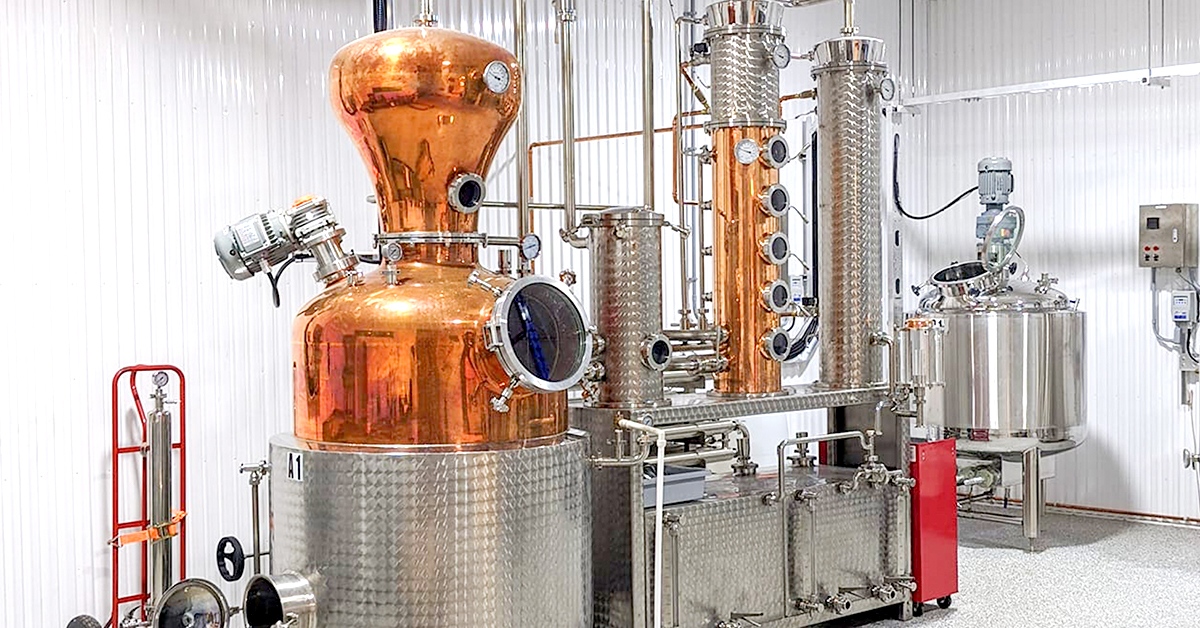
Gin and whiskey demand fundamentally different things from a still. The botanicals in gin need a gentle, aromatic extraction, so a column packed with copper mesh or botanicals basket works best, letting vapors pass slowly through the flavorful material. Whiskey, on the other hand, wants a cleaner, higher-proof spirit that still retains grain character. That's where plate columns shine—they give you enough reflux to strip out unwanted congeners without scrubbing away the rich, oily notes that define a good bourbon or single malt.
The real art comes in matching column height and packing density to your base spirit. Too much reflux on a gin run can over-rectify and flatten the delicate citrus and floral notes. Too little on a whiskey run leaves you with a rough, headsy distillate that needs years in oak to smooth out—if it ever does. A modular setup with interchangeable sections lets you switch from a short, unpacked column for gin to a multi-plate column for whiskey, giving you two stills in one.
Don't overlook the role of the dephlegmator either. For gin, keep it barely engaged so the vapor temperature stays low and the botanicals don't scorch. For whiskey, crank up the cooling to force more reflux and concentrate the hearts. It's a small adjustment that changes everything about the final character. Once you feel the difference in your glass, you'll never use the wrong column again.
The Real Price of a Column Still: Beyond the Initial Quote
When you get a quote for a column still, the number on the page rarely tells the whole story. What you're actually buying is a piece of precision engineering that has to survive daily thermal cycling, aggressive cleaning chemicals, and the relentless pull of gravity on tall, thin sections. A bargain price often means thinner copper, fewer bubble plates, or a condenser that's just barely adequate for the vapor speed your boiler can produce. Once you factor in the cost of reinforcing the floor, upgrading your cooling water supply, or retrofitting a taller ceiling, that initial saving can evaporate fast.
Then there's the question of fit and finish. A well-built column from an experienced fabricator will have smooth, gap-free welds that prevent leaks and make cleaning less of a chore. Cheaper columns might look fine in photos but arrive with misaligned flanges or gaskets that need replacing after a few runs. Over the life of the still, those small annoyances add up in downtime and replacement parts. So when you compare quotes, ask what's included: sight glasses, thermowells, support brackets, and the actual wall thickness of the copper or stainless. Those details are where the real price hides.
Copper, Stainless, or Both? Material Choices That Affect Flavor and Longevity
Copper responds to heat changes almost instantly, which gives you a level of control that stainless simply doesn't have. But that advantage comes with a catch: the metal is reactive, so acidic ingredients like tomatoes, wine, or lemon juice can pick up a faint metallic edge unless the pan is lined with tin or steel. Even then, the lining wears down over time, and you'll need to send it out for retinning every few years if you cook often.
Stainless, on the other hand, is about as neutral as it gets—no flavor transfer, no reaction, and it shrugs off abuse from metal utensils and abrasive scrubbers. The downside is thermal performance. Plain stainless doesn't spread heat evenly, so you can end up with burnt spots and uneven browning unless there's an aluminum or copper core hidden inside. That's why hybrid cookware—copper on the outside or in the core, stainless on the cooking surface—has become the go-to for people who want both responsiveness and low maintenance.
Longevity tells a similar story. A well-cared-for copper pan can last decades, but it requires vigilance: no overheating the lining, no harsh cleaners, and occasional trips to a retinner. Stainless will outlive almost any kitchen habit, and its lifespan is measured in generations rather than years. In practice, most serious kitchens keep a mix: copper for delicate sauces and quick temperature shifts, stainless for searing, deglazing, and everyday durability.
Lead Times, Logistics, and the Fine Print of International Shipping
When a shipment crosses borders, the clock starts ticking the moment the order is confirmed. Lead times vary wildly depending on whether the goods are in stock or made to order, and whether the route involves ocean freight, air cargo, or a mix of both. A supplier might quote two weeks, but that often excludes the time needed for customs clearance, inland trucking, or waiting at a consolidation warehouse. Smart buyers ask for a breakdown of each stage rather than a single vague number, because every day of delay ripples through inventory planning and customer promises.
Logistics is rarely as simple as a truck pulling up to a dock. Freight forwarders, shipping lines, and last-mile carriers each add their own layer of handoffs and paperwork. A container might sit at a port for three days before being unloaded, then face random inspection, then wait again for a chassis. The cheapest quote often hides the most friction: less frequent sailings, lower priority at transshipment hubs, and longer dwell times. Comparing total landed cost—not just the per-unit freight rate—reveals which route actually gets goods to the warehouse predictably.
The fine print is where assumptions go to die. Incoterms define who pays for what and where risk transfers, yet many buyers don't realize that EXW means they're responsible from the seller's door while DDP shifts nearly everything to the supplier. Demurrage and detention fees accrue daily once a container sits too long, and they can erase any savings from a slower ship. Insurance exclusions, dimensional weight pricing, and fuel surcharges also hide in the terms. Before signing, pull apart the quote line by line and ask what happens when the shipment is delayed, damaged, or held at customs—because that's when the real cost of a poorly written agreement shows up.
What Happens After Installation: Training, Troubleshooting, and Parts
The handoff doesn't end when the last bolt is tightened. Within a day or two, we sit down with the people who will actually run the machine and walk through startup, shutdown, and the daily checks that catch small problems before they become expensive ones. Instead of reading from a manual, the session covers the scenarios your team is most likely to hit—like clearing a jam, swapping a consumable, or reading an error code off the display.
When something does go wrong, the first step is usually simpler than it looks. Many calls we get are resolved by checking power, inspecting a sensor for dust, or running a quick reset sequence. If that doesn't fix it, our support line connects you with someone who has worked on this exact model, not a call-center script. For more stubborn faults, we can often guide you through a live video inspection and ship any needed part the same day.
Parts availability matters more than most people expect. We keep common wear items—belts, filters, seals, and sensors—in stock, and we'll help you figure out which spares make sense for your usage level. That way you're not waiting on a backorder for a $20 part that shuts down a whole line. Each part is labeled with a clear reference number, and the replacement instructions are written for someone who has never done it before.
FAQ
Ask for a live factory video walkthrough, not just brochure shots, and request close-up photos of weld seams and copper thickness. Look for engineering drawings with the exporter's own title block, in-house copper fabrication, and the ability to explain design choices instead of parroting specs.
For gin, a taller column with 4 to 8 plates and active reflux control helps produce a clean neutral base. For whiskey, 2 to 4 plates often work better because fewer rectification stages allow desirable congeners to carry over. These are starting points, not fixed rules, since still design also depends on your target flavor and batch size.
Copper in the vapor path removes sulfur compounds and improves spirit quality, so insist on copper for plates, downcomers, and the condenser if possible. Stainless steel can be used for structural supports or outer shells, but any surface that touches hot alcohol vapor should be copper. Ask about copper thickness, like 3mm versus 4mm, and whether the plates are bubble caps or sieve trays.
Ask for a written response time guarantee, whether they have a local agent or remote troubleshooting via video, and how they handle spare parts customs delays. Request a sample commissioning checklist and ask if they can provide recorded training sessions for your operators. A good exporter will also share what support they gave to previous clients in your region.
Ask for pressure vessel certification relevant to your destination, such as ASME, PED, or equivalent local marks, plus material test certificates for copper and stainless steel. Control panels need electrical compliance, and you may need import safety documentation. Because requirements vary by country, the exporter should be willing to adapt or explain which certificates are not applicable.
Watch out for vague specs that omit plate spacing, condenser surface area, or column wall thickness. If a quote is far below others but claims the same capacity, ask why. Reluctance to share references, no written warranty terms, or demanding 100% payment upfront are all warning signs. A trustworthy exporter will itemize materials, include drawings, and welcome technical questions.
Most exporters offer FOB or CIF terms, but you need to confirm crating standards, insurance coverage, and who handles port clearance. For installation, ask if they send an engineer or offer live remote support, and plan ahead for crane access, utilities, and floor leveling. A detailed pre-shipment checklist should be part of the contract, not left to the freight forwarder.
Lock key dimensions and plate configuration before fabrication because retrofitting plates, changing column height, or adding sections later is expensive and may invalidate pressure vessel certification. Some modular designs allow adding a section if it was planned from the start, but you should confirm that in writing before signing.
Conclusion
Before signing anything with a column still exporter, assume the spec sheet is optimistic at best. Request a video call showing the actual unit running, ask for references from distilleries making a similar product, and check weld quality and plate spacing yourself. Configuration matters more than brand—gin demands more rectification plates for neutral spirit, while whiskey often benefits from fewer plates to retain grain character. Don't let an exporter sell you a one-size-fits-all column. Also dig into the real price: customs duties, port fees, crating, and the cost of a technician if something arrives damaged. On materials, copper in the vapor path helps remove sulfur compounds and improves flavor, but pure copper columns are expensive and high-maintenance. A stainless shell with copper internals is a common compromise that balances longevity, cost, and spirit quality.
Then there's the unglamorous side: lead times and shipping fine print. Some exporters quote a low price but hit you with demurrage charges or vague Incoterms that leave you responsible for the still before it's even on the truck. Get a written timeline with penalties for delay, and clarify who pays for port storage. After installation, the real relationship begins. Ask what training is included, how fast replacement parts ship, and whether troubleshooting is via WhatsApp or a paid service contract. A cheap still with no support becomes an expensive paperweight. The best exporters act like partners—they ask about your water chemistry, your cooling capacity, and your fermentation consistency before recommending a column. If they won't answer those questions before the sale, they won't care after it.
Contact Us
Contact Person: Ada Xu
Email: [email protected]
Tel/WhatsApp: 0577-86806088
Website: https://www.dayuwz.com/