

Cold Laser Device Selection: How to Choose the Right One for Your Needs
2026-08-05
Choosing the right cold laser device can feel overwhelming with so many options flooding the market. Whether you're managing chronic pain, accelerating recovery, or exploring non-invasive therapy, the device you pick directly impacts your results. It's not just about wavelength and power—build quality, safety certifications, and clinical backing matter just as much. That's where trusted manufacturers like GUANG TAI come into focus, offering reliable, FDA-cleared solutions designed for real-world use. In this guide, we'll cut through the noise and walk you through the key factors to consider, so you can make an informed decision without second-guessing.
Understanding Light Therapy Basics
Light therapy, sometimes called phototherapy, involves exposing the skin to specific wavelengths of light for a prescribed amount of time. It’s a non-invasive approach that aims to influence biological processes, and researchers have studied its effects on everything from mood to skin conditions. Unlike the broad spectrum of sunlight, these devices use controlled, narrow bands of light—often in the red or near-infrared range—to target particular cellular responses. The idea is surprisingly simple: certain light particles can pass through the skin’s surface and interact with cells in a way that may boost energy production, reduce inflammation, or even repair damage. While the concept might sound futuristic, light therapy has roots in ancient practices and modern medicine alike, blending old wisdom with new technology.
One of the key factors to understand is how different colors and intensities of light affect the body. Red light, for example, is commonly used in skincare devices because it can penetrate deeper into the dermis, potentially stimulating collagen and improving circulation. Blue light, on the other hand, targets the surface layers and is often employed for its antibacterial properties against acne-causing bacteria. Near-infrared light goes even deeper, reaching tissues like muscles and joints, which is why you might see it in devices aimed at pain relief or muscle recovery. Each wavelength triggers distinct reactions at a mitochondrial level, where cells absorb light energy and convert it into chemical energy. This process, known as photobiomodulation, explains why the therapy can have such varied applications—from anti-aging to wound healing—without the need for drugs or invasive procedures.
For anyone starting out, it’s important to look beyond the marketing hype and focus on practical use. Effective light therapy isn’t just about buying a lamp and sitting in front of it; consistency, distance, and session duration all matter. Most home devices come with clear guidelines, but building a routine that fits your life is what truly makes the difference. Think of it like exercise: occasional use might feel good, but regular sessions over weeks or months tend to yield more noticeable benefits. Some users notice subtle shifts in energy and skin tone early on, while deeper changes—such as joint comfort or sleep improvements—can take longer. Understanding these basics helps set realistic expectations, turning a seemingly complex technology into a straightforward wellness habit.
Matching Wavelengths to Your Condition
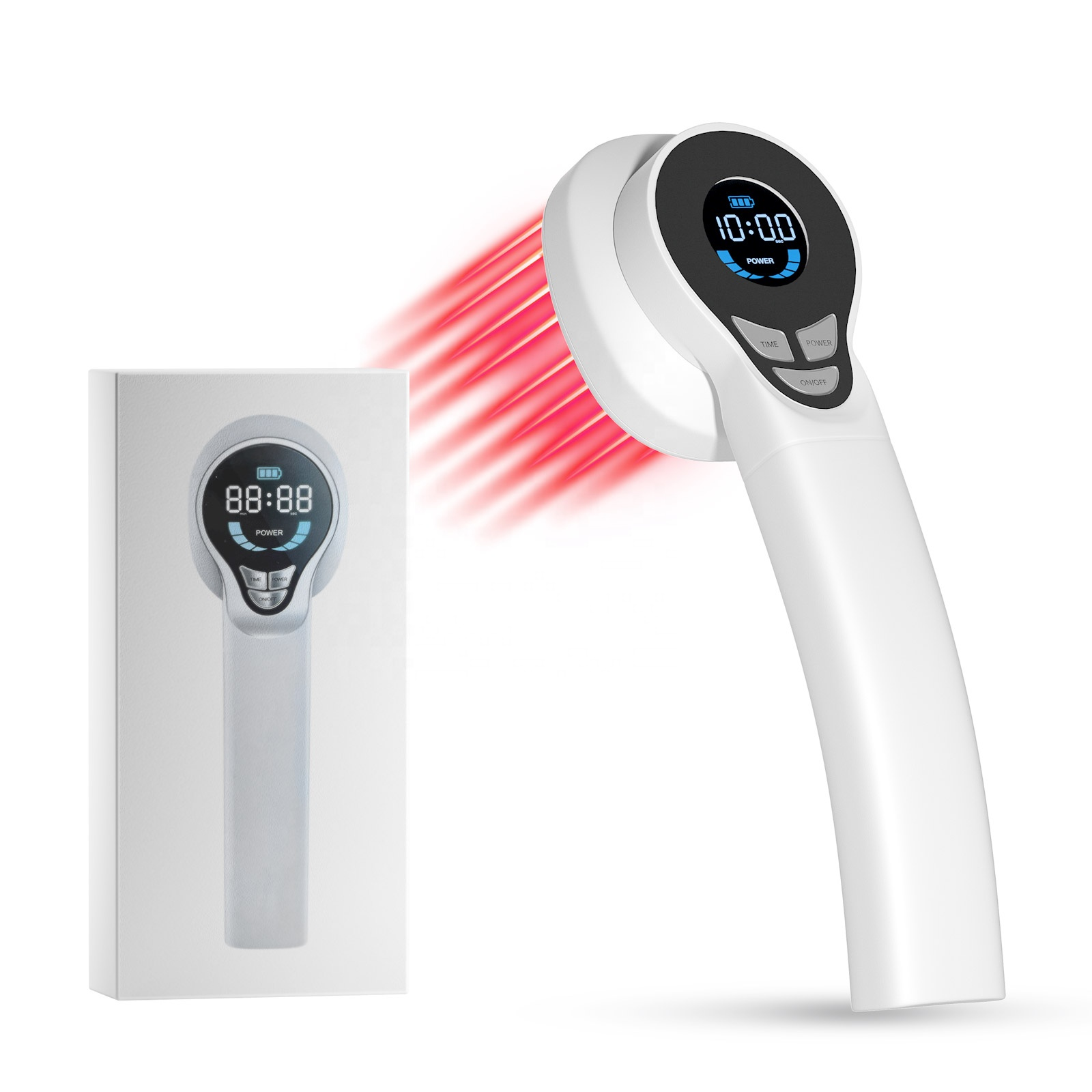
Finding the right wavelength isn’t about following a one-size-fits-all chart—it’s about tuning into what your body actually needs. Different wavelengths of light penetrate the skin and tissues to varying depths, triggering distinct biological responses. For instance, red light in the 630–660 nm range works wonders for surface-level skin rejuvenation, reducing fine lines and inflammation, while near-infrared light around 810–850 nm reaches deeper muscles and joints to soothe chronic pain and accelerate recovery. The key is to match the wavelength to the condition’s location and the cellular target you want to energize.
Think of it like adjusting a radio dial until the signal comes through clear. If you’re dealing with stubborn acne, blue light around 415 nm squashes the bacteria without drying out your skin. For wound healing or tendon repair, a combination of 660 nm and 850 nm hits both the superficial and the deep tissue layers, boosting collagen and blood flow. It’s less about memorizing numbers and more about learning how your body responds—start with the recommended ranges, then observe subtle shifts in your comfort, mobility, and skin texture over days or weeks.
Many devices now offer multi-wavelength panels, letting you mix spectrums in one session. This layered approach mimics natural sunlight’s complexity but without the damaging UV. You might blend 630 nm for skin clarity with 830 nm for post-workout muscle relief, creating a custom protocol that evolves with your goals. Pay attention to your own threshold: shorter sessions at lower intensity often produce better long-term results than overdoing it. Ultimately, matching wavelengths is an ongoing dialogue between your body and the light—you’re the one turning the dial until it feels just right.
Comparing Portable and Desktop Models
When you're weighing whether to go with a laptop or a desktop, it really comes down to how your day-to-day looks. If your workspace changes with the weather—one day at a busy café, the next curled up on the sofa—a laptop gives you that effortless mobility without tethering you to a single spot. Desktops, on the other hand, demand a more permanent home. They're less about improvisation and more about creating a dedicated command center where everything, from your mechanical keyboard to that oversized monitor, stays exactly how you left it. That stability can be oddly satisfying, especially if you're tired of hunting for outlets in public places.
There's also the quiet battle of raw capability versus smart engineering. Desktops have the luxury of space: bigger fans, roomier cases, and parts that aren't afraid to guzzle power. This means they can muscle through heavy 3D rendering or keep frame rates buttery smooth in the latest games without breaking a sweat. Laptops have closed that gap impressively, though. Engineers have learned to cram serious horsepower into thin shells, using clever cooling tricks and energy-efficient chips that punch above their weight. You can now find a notebook that edits 4K footage on a park bench, though it might sound like a tiny jet preparing for takeoff.
Then there's the long game—how long before your machine feels ancient? Opening up a desktop tower feels like popping the hood of a car; you can swap out a graphics card, add more RAM, or drop in a bigger SSD years down the line. It's a tinkerer's dream. Laptops rarely offer that luxury. Many ultraportables solder the memory and storage directly to the board, locking you into whatever specs you chose at checkout. Battery degradation adds another layer; even with the best care, a laptop's sealed power pack will fade, while a desktop just keeps humming along as long as the grid has juice. In the end, neither is universally better—it's about which trade-offs you're willing to live with.
Evaluating Power Output and Treatment Depth
When assessing therapeutic devices, one of the first metrics to examine is power output. This isn't just a raw number; it's the foundation of how effectively energy is delivered to target tissues. A system with unstable or poorly calibrated power may produce inconsistent clinical outcomes, making it essential to verify that the device maintains its stated output under varying conditions. Bench testing under load can reveal fluctuations that wouldn't appear in simple no-load measurements, giving a clearer picture of real-world performance.
Treatment depth is equally critical and often more nuanced. The physical properties of the energy source—wavelength for light-based devices, frequency for radiofrequency, or acoustic parameters for ultrasound—determine how energy penetrates through skin layers. However, manufacturer specifications alone don't tell the whole story. Ex vivo tissue studies and computational modeling can map where the energy actually concentrates, helping practitioners anticipate whether the device will reach the intended anatomical plane without excessive superficial heating.
The interplay between power and depth ultimately defines the therapeutic window. Higher power might seem advantageous for deeper penetration, but it can also narrow the safety margin if thermal relaxation time isn't respected. Evaluators should look for systems that offer adjustable parameters and transparent data on energy distribution, allowing clinicians to tailor treatments to individual anatomy rather than relying on a one-size-fits-all approach.
Navigating Safety Certifications and Build Quality
Understanding safety certifications and build quality often feels like deciphering a secret code, but it really comes down to knowing which marks and materials matter for your specific use case. Rather than blindly trusting a single label, take a moment to learn the nuances: a UL listing means something different from an ETL mark, and a CE stamp carries distinct implications in the EU compared to other markets. Build quality, on the other hand, reveals itself through details like seam consistency, material thickness, and the feel of a switch or hinge. These elements collectively paint a picture you can trust in real-world scenarios.
Seeing the thing in person—or at least studying high-resolution photos with a critical eye—often tells you more than any spec sheet. Notice if edges are uniformly finished, whether panels align properly, and if moving parts glide without resistance. A slightly heavier weight can indicate denser components or a more robust frame, while cheap, hollow-sounding plastic usually hints at corners cut. Don’t hesitate to open access panels where permissible; internal wiring, soldering, and general tidiness can instantly separate thoughtful engineering from slapped-together products.
Finally, consider the context of use and long-term durability over flashy claims. A device used in a busy commercial kitchen faces different stresses than one tucked into a home office, so temperature ratings, flame resistance, and ingress protection numbers shouldn't be ignored. Combining these objective benchmarks with a hands-on assessment gives you a powerful filter. When a manufacturer openly provides detailed certification files and high-quality assembly videos without being prompted, that transparency often signals genuine pride in what they’ve built.
Reading Between the Lines of User Reviews
User reviews often carry more weight than a brand’s own marketing claims, but the real value lies in what isn’t explicitly stated. A five-star rating with no text might signal a rushed click rather than genuine delight, while a three-star review that details specific pros and cons can be far more illuminating. Look for patterns in the language: repeated mentions of “great customer service” might indicate a company that truly cares, but also consider what’s left unsaid. If no one mentions durability for a product that should last years, that silence could be a warning sign.
Emotion drives reviews, and understanding the emotional subtext can separate helpful feedback from noise. An angry one-star rant about late delivery reveals more about shipping than the product itself, yet many shoppers dismiss it entirely. On the flip side, overly enthusiastic reviews that use superlatives like “life-changing” without concrete examples might be influenced by incentives or post-purchase rationalization. Genuine reviews tend to have a balanced tone, acknowledging both strengths and minor flaws, because real users rarely experience perfection.
Context is everything when interpreting feedback. A flurry of negative reviews about a software update might stem from resistance to change rather than actual quality decline, while glowing reviews of a budget item could simply reflect low expectations. Pay attention to the reviewer’s history and the specifics of their situation—a parent reviewing a toy has different priorities than a professional using the same tool. By reading between the lines, you start to see the real narrative emerge, one that often contradicts the simplistic star average.
FAQ
Focus on wavelength range and power output suited for your specific condition—most home devices operate between 600 and 1000 nm with power from 5 to 500 mW. Check for FDA clearance or CE marking, and ensure it has a timer and comfortable ergonomics for self-treatment.
Shorter wavelengths (like red light around 630–670 nm) work well on surface issues and skin conditions, while near-infrared (around 800–900 nm) penetrates deeper into muscles and joints. A device with multiple wavelengths or a dual-wavelength probe can be more versatile for different tissue depths.
Not necessarily—higher power delivers more energy quickly but can risk tissue heating or overstimulation. The key is matching power density and dosage to your therapeutic goal. For chronic pain, moderate power with longer session times might be safer and just as effective as high-power bursts.
Continuous wave devices emit a steady beam, which is great for consistent energy delivery to stimulate healing. Pulsed lasers produce light in bursts, which may reduce heat buildup and allow for higher peak power without discomfort—some research suggests pulsing can influence cellular responses differently, so consider your treatment goals.
Look beyond marketing claims—check for third-party testing reports, user reviews from verified purchasers, and clinical studies supporting the device. Ensure it includes safety features like a key switch, emergency stop, and proper eye protection. Devices that are registered with regulatory bodies like the FDA or have medical device certifications offer more confidence.
Yes, many devices come with interchangeable heads—a single diode for pinpoint treatment on trigger points, a cluster head for larger areas like the back, and sometimes a lint-free light guide for intraoral use. Having these options can make the device more adaptable without needing multiple units.
Reliable portable devices start around $300 and can go up to $3,000 or more for professional-grade features. Cheaper units often lack proper calibration and may not deliver therapeutic dose reliably, so balance cost with warranty, return policy, and proven track record in the specific condition you're treating.
Conclusion
Picking the right cold laser device starts with grasping how light interacts with tissue. Different wavelengths penetrate to varying depths; red and near-infrared light in the 600–1000 nm range are the workhorses for pain relief and tissue repair because they dive deep enough to reach muscles and joints without excessive scattering. But it’s not just about the numbers—what you’re treating matters. A superficial wound might only need a 660 nm probe, while a stubborn knee injury demands 810–850 nm for deeper action. Pay attention to power output too, as higher milliwatts can mean faster sessions, but only if the device can sustain that output consistently. Portable units are convenient for daily home use, but desktop models often deliver more robust, calibrated treatment with better cooling systems—essential if you’ll be treating large areas or multiple family members.
Beyond specs, build quality and safety certifications are non-negotiable. Look for FDA clearance or CE marks to ensure basic safety standards, and don’t ignore user feedback. Real-world reviews often reveal quirks like uncomfortable grips or flimsy charging ports that spec sheets miss. A device that’s awkward to hold turns a 15-minute session into a chore, and inconsistent pulse modes can undermine results. Ultimately, skip the hype and cross-reference what actual users say about durability and effectiveness with your own condition. A thoughtfully chosen device—one that balances wavelength, power, ergonomics, and legitimate certification—is far more likely to become a staple in your recovery routine rather than another gadget gathering dust.
Contact Us
Contact Person: Leon Yi
Email: [email protected]
Tel/WhatsApp: +86 17363316873
Website: https://zzgt.en.alibaba.com/