

China Seaweed Fertilizer Supplier: Boosting Crop Growth Naturally
2026-06-30
In the heart of China’s fertile agricultural landscape, a quiet revolution is taking root—one that taps the ocean’s ancient vitality to nourish crops without synthetic chemicals. Seaweed fertilizer is no novelty, but as growers seek sustainable ways to boost yields and soil health, the demand for premium, naturally derived solutions has never been higher. Enter MacroAlga, a trusted China seaweed fertilizer supplier that is redefining plant nutrition with every harvest. By harnessing the raw power of marine macroalgae, their formulations unlock robust root systems, vibrant foliage, and bountiful fruits—all while respecting the delicate balance of nature. This is not just about feeding plants; it’s about cultivating resilience from the ground up. Join us as we explore how MacroAlga is turning the tide on conventional farming, one field at a time.
Straight from the Sea: How Seaweed Feeds Plants
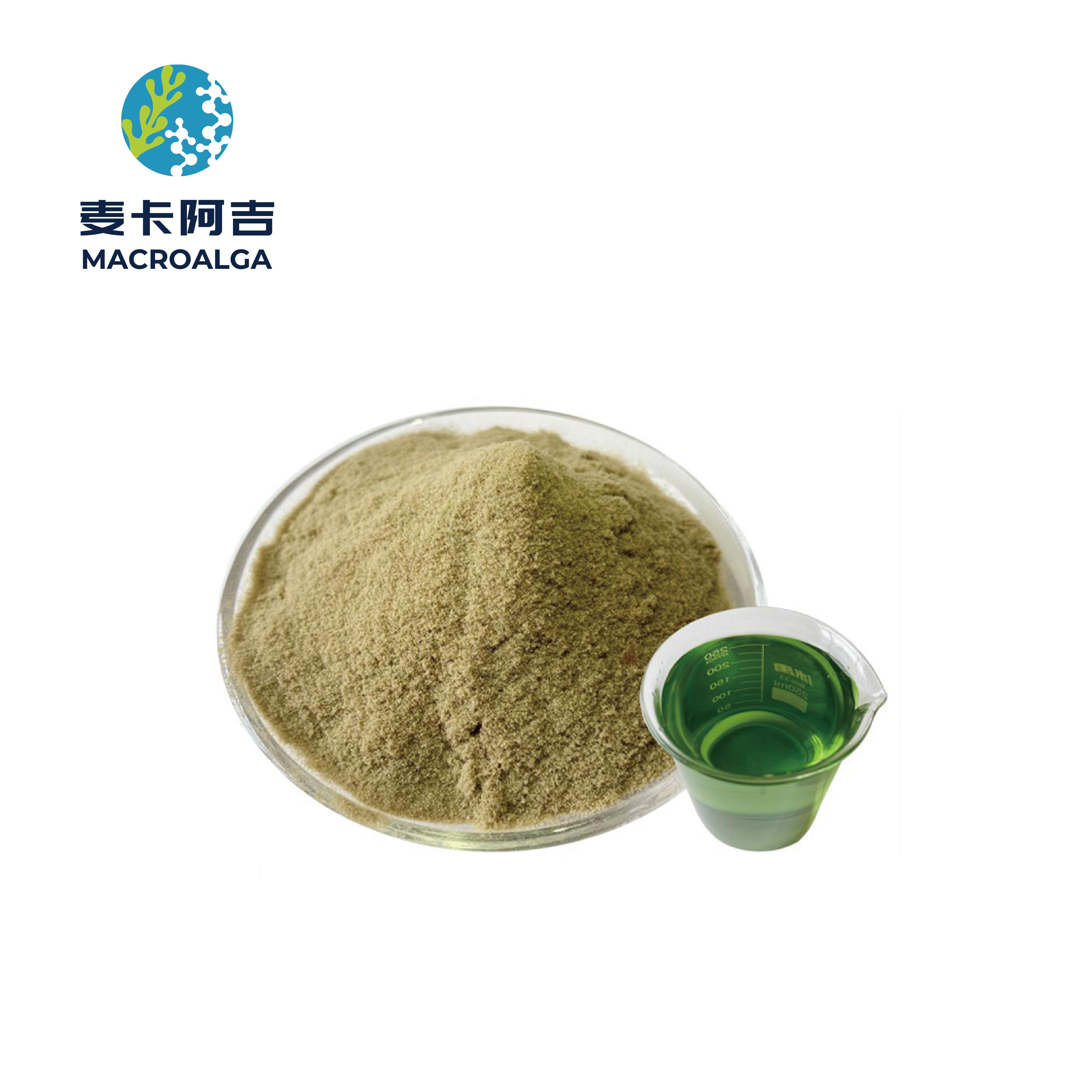
When seaweed washes ashore or is carefully harvested, it carries a concentrated blend of minerals, trace elements, and natural growth hormones absorbed directly from the ocean. Unlike synthetic fertilizers, these nutrients are locked in organic forms that break down gently in the soil, feeding plants slowly without risk of root burn. This marine gift includes potassium for sturdy stems, magnesium for deep green leaves, and a full spectrum of micronutrients that coastal soils often lack—all arriving in a water-soluble package that roots can immediately tap into.
Beyond simple nutrition, seaweed actively stimulates the soil food web. As it decomposes, it fuels beneficial bacteria and fungi, which in turn convert unavailable soil nutrients into plant-ready forms. The alginates in seaweed act like natural soil conditioners, binding sand or loosening clay to create a crumbly, moisture-retentive structure. This means healthier roots, better water penetration, and a thriving underground ecosystem that keeps plants resilient against drought and disease.
What makes seaweed truly exceptional is the presence of unique compounds like cytokinins, betaines, and mannitol, which aren't found in land-sourced fertilizers. These bioactive substances boost chlorophyll production, enhance stress tolerance, and even help plants withstand frost or heatwaves. Farmers and gardeners have long noticed that seaweed-fed crops seem to stand a little taller and taste a little sweeter—nature's subtle nod to the primal connection between sea and soil.
A Farmer's Secret for Lush Growth
Morning mist still clung to the fields when old Tom shuffled out, a dented watering can in hand. He didn’t reach for the chemical sprays stacked in the shed. Instead, he knelt and pressed his palm flat against the soil, feeling its cool dampness, reading it like a book. “The earth tells you what it needs,” he’d mutter, scattering crushed eggshells and coffee grounds around the tomato stems with the tenderness of a man feeding his family. His neighbors scoffed at his ways, yet his crops stood taller, greener, almost defiant in their vigor. What they didn’t know was that Tom’s secret wasn’t in a bottle—it was in a relationship built over sixty years of listening.
Deep beneath the surface, the real magic happened unseen. A tangle of fungi, white and threadlike, wove through the dirt like nature’s internet, ferrying water and nutrients to the roots in exchange for sugars. This underground barter, ancient and unbroken, thrived only because Tom refused to poison it with synthetic quick-fixes. He fed his soil with compost aged three years, its richness smelling of forest floors and sweet decay. When pests came, he didn’t wage war; he planted marigolds as peace offerings, their scent deterring what would devour his lettuce. The result was a garden that didn’t just grow—it hummed with life. Bees tumbled drunkenly between blossoms, and earthworms wriggled through loam so soft you could sink your hand in up to the wrist.
What you can steal from Tom’s playbook isn’t complicated: stop treating soil like a vehicle and start treating it like a living thing. Ditch the blue powders. Collect your kitchen scraps, let them rot, and return them to the ground like a repayment of debt. Plant diversely, not in rigid rows but in communities where each species offers something—shade, nitrogen, a trap crop for aphids. Most of all, learn to observe. Notice which leaves curl in afternoon sun, which patches of soil dry faster. The farmer’s secret for lush growth was never a single trick. It was patience, reverence, and the humility to remember that we’re just guests in a much larger conversation. Try it. Your garden will speak back.
Not Just Any Fertilizer: The Seaweed Difference
Most fertilizers do one thing: deliver a burst of nutrients. Seaweed steps onto the field with an entirely different playbook. It’s not just about feeding plants; it’s about waking up the entire growing ecosystem. Packed with unique compounds like alginates, mannitol, and natural growth hormones, seaweed works at a cellular level to strengthen root development, improve stress tolerance, and enhance nutrient uptake in ways synthetic blends simply can’t replicate.
This is where the conversation shifts from simple nutrition to soil revival. Seaweed acts as a prebiotic for the underground world, feeding beneficial microbes that rebuild tired dirt into living, breathing soil. Healthier soil means plants can withstand drought, pests, and neglect with a resilience that’s almost stubborn. It’s a slow, steady transformation rather than a chemical flash, and the results show in richer colors, firmer fruits, and sweeter yields.
There’s also a quiet elegance to its origin. Harvested from cold, mineral-dense waters, seaweed brings a piece of the ocean’s ancient wisdom to your garden. It’s a renewable resource that doesn’t strip the land to fuel growth; instead, it borrows from the sea to heal the earth. That’s the seaweed difference—it doesn’t just feed a plant. It rethinks what a fertilizer can be.
Grown in China, Proven on Crops Worldwide
From the fertile soils of China’s agricultural heartlands comes a legacy of cultivation that stretches back millennia. It’s here, where traditional knowledge meets modern science, that our products begin their journey. Every seed, every nutrient, every innovation is nurtured in these fields, tested by generations of farmers who understand the land’s rhythms. This isn’t just about origin—it’s about a foundation built on hands-on experience and relentless refinement.
But the true test of quality happens far beyond the farm gate. Across continents and climates, in the orchards of South America, the rice paddies of Southeast Asia, and the vast wheat belts of Europe, our solutions are put to work. They face scorching suns, unpredictable rains, and diverse soil conditions. Only what thrives here—what consistently delivers results in these real-world laboratories—carries our name forward.
This global footprint isn’t for show. It’s a feedback loop that sharpens our edge. Insights from a tomato grower in Italy might reshape a formulation tested in Henan. A challenge faced in Brazilian soy fields could spark an innovation back in our labs. The result is a portfolio not just grown in one place, but proven everywhere it matters. Hard-earned trust, measured in harvests, not headlines.
Stronger Roots, Richer Harvests – Naturally
When a plant’s root system thrives, everything above ground follows suit. Deep, vigorous roots act as nature’s anchor, drawing up water and nutrients that shallow roots simply can’t reach. This isn’t about synthetic boosters or complicated regimens—it’s about fostering the underground ecosystem that makes resilience possible. Healthy soil teeming with beneficial microbes and organic matter encourages roots to stretch further and branch more densely, creating a self-sustaining foundation that weathers drought, resists disease, and quietly powers lush growth.
That underground vitality translates directly into what you harvest. Plants with robust root networks don’t just survive—they flourish, channeling more energy into fruit, flowers, and foliage. You’ll notice the difference in the weight of a tomato, the fragrance of basil, or the sweetness of a carrot pulled straight from the earth. It’s a chain reaction that begins out of sight: stronger roots means better nutrient uptake, which leads to more vibrant, abundant yields without relying on artificial shortcuts.
The beauty lies in letting nature do the heavy lifting. By focusing on practices like composting, minimal tillage, and companion planting, you create conditions where roots instinctively go deeper and stronger. There’s no need to force growth with chemicals that degrade soil over time. Instead, you’re partnering with the natural processes that have always yielded the richest harvests. The result is a garden or farm that feels effortlessly productive—healthier plants, happier soil, and a cycle that improves year after year.
Good for Your Crops, Great for the Planet
When we talk about farming that thrives, it’s easy to focus solely on yield—but real success comes from a balance that doesn’t drain tomorrow’s soil. The practices that boost your harvest can also restore the land beneath it. Thoughtful nutrient management, cover cropping, and reduced tillage are not just buzzwords; they are quiet revolutions happening right beneath the surface. By feeding the soil what it needs instead of forcing quick fixes, you actually invite a living, breathing ecosystem back into your fields. That life—teeming microbes, sturdy root systems, and water-holding organic matter—does the heavy lifting, turning compacted dirt into resilient ground that holds steady through drought and drench.
This isn’t about sacrifice or going backwards. It’s about working with nature’s own rhythms to cut costs and build true fertility. When your soil is alive, you need less synthetic input, fewer passes with heavy equipment, and less fretting over unpredictable seasons. Crops become more robust because they’re drawing on a deep well of natural support. Meanwhile, the wider landscape feels the impact too: cleaner waterways, richer biodiversity, and carbon tucked back where it belongs. A farm that thinks in decades, not just seasons, becomes a partner to the planet rather than a burden on it.
And what’s often overlooked is how this approach transforms not just the land, but the farmer’s own bottom line and peace of mind. Healthier crops with stronger natural defenses mean less money spent on chemical interventions and less sleepless nights worrying about disease or failed stands. The land starts to give back in ways that compound—better water infiltration, less erosion, and a steadier yield year after year. This isn’t a trade-off; it’s an alignment. When you enrich the earth, it enriches your harvest, creating a loop that gets stronger with each season. That’s a legacy worth growing.
FAQ
Seaweed fertilizer is an organic plant nutrient derived from various types of marine algae, predominantly brown seaweeds like Ascophyllum nodosum. It's produced by carefully harvesting fresh seaweed, washing it to remove salts, and then processing it—often through cold-pressing or enzymatic extraction—to preserve its natural growth hormones, trace minerals, and amino acids. The resulting liquid or powder is rich in cytokinins, auxins, and betaines that plants readily absorb.
It works by stimulating a plant's own processes rather than just feeding it directly. The natural growth hormones in seaweed encourage root development, improve nutrient uptake, and enhance photosynthesis. It also helps plants build resilience against stress like drought, heat, or pests. Because it's a slow-release, organic source of micronutrients, it supports balanced growth without the burn risk of synthetic chemical fertilizers.
China has a long coastline with abundant, high-quality seaweed species, and decades of expertise in seaweed processing. Chinese suppliers often offer competitive pricing without compromising on quality, backed by advanced extraction technology and strict quality control. Many are also certified organic and environmentally responsible, making them a reliable choice for bulk orders and consistent supply.
Yes, it's versatile enough for almost any crop—vegetables, fruits, ornamentals, turf, and even hydroponic systems. It can be applied as a foliar spray, soil drench, or seed treatment. However, application rates and timing may vary depending on the plant's growth stage, so it's always wise to follow the supplier's guidelines or start with a diluted solution for sensitive plants.
Absolutely. Because it's made purely from natural seaweed without synthetic additives, it complies with organic standards in most countries. Look for certifications like OMRI or ECOCERT when sourcing from a Chinese supplier to ensure it meets the required organic criteria. It's non-toxic to beneficial insects, earthworms, and the broader ecosystem.
A reliable supplier will be transparent about their sourcing and manufacturing processes, provide detailed product specifications and lab test results, and offer consistent quality with every batch. You should also look for responsiveness, export experience, and customer reviews. Visiting the factory or requesting samples can help confirm their credibility and product effectiveness.
Conclusion
Imagine unlocking the ocean's own growth elixir for your fields. Seaweed, harvested straight from the sea, is packed with natural compounds that coax plants into reaching their full potential. Unlike synthetic alternatives that force rapid but shallow progress, seaweed fertilizer works gently, delivering a blend of micronutrients, amino acids, and hormones that plants recognize and eagerly absorb. It’s the quiet secret behind many a farmer’s lush, vibrant crops—a secret that starts with the rhythmic tides and ends in soil teeming with life. Farmers who switch to it often speak of a visible transformation: leaves turn a deeper green, stems thicken, and the whole field seems more resilient, as though the plants have found their second wind.
But not all seaweed fertilizers are equal, and China has emerged as a leading source of this natural marvel. Grown along pristine coastlines and processed with care, these Chinese seaweed fertilizers carry the stamp of proven results on crops across the globe—from rice paddies in Asia to tomato farms in Europe. The difference lies in the rich, cold-water species used, which deliver a potent boost to root development and stress tolerance. Expect stronger roots that delve deeper, drawing up hidden moisture and nutrients, and harvests that surprise you with their abundance and quality. All this happens without the environmental baggage: no toxic runoff, no soil degradation. It's a full-circle kind of good—good for your crops, good for the earth, and good for the future of farming.
Contact Us
Contact Person: Kevin ZHANG
Email: [email protected]
Tel/WhatsApp: 8613505438449
Website: https://www.macroalga.com/