

China Packaging Liquid Bag: The Ultimate Guide to Flexible Liquid Solutions
2026-07-18
Exploring flexible liquid packaging? China’s liquid bag industry is reshaping global supply chains with innovative, cost-effective solutions. In this guide, we unpack everything you need to know—from material innovations to real-world applications. And when reliability matters, brands like Kody lead the way with precision-engineered liquid bags designed for modern challenges. Ready to discover how the right packaging can transform your product’s journey? Keep reading.
How liquid bags are transforming global supply chains
The rise of flexible liquid bags is quietly reshaping how bulk liquids move around the world. Unlike rigid drums or ISO tanks, these collapsible containers can be folded flat when empty, slashing return logistics costs and freeing up valuable warehouse space. This simple shift in packaging design allows shippers to send liquids in standard dry vans or containers, blurring the line between liquid and dry freight and opening up backhaul opportunities that were once impossible.
The impact on supply chain fluidity is tangible. Because liquid bags fit into standard intermodal equipment, they eliminate the need for dedicated tank containers and the complicated repositioning cycles that come with them. A single container can carry a 24,000-liter bag of wine one way, then haul electronics on the return trip—something unthinkable with a purpose-built tank. This dual-use capability drastically reduces deadhead miles and accelerates turnaround times, making supply chains more responsive and less carbon-intensive.
Sustainability gains are also driving adoption. Liquid bags typically use less material than rigid alternatives and generate minimal waste when properly recycled. They can be engineered with multiple layers for barrier protection, allowing manufacturers to ship sensitive products like juices or edible oils without preservatives or cold chain breaks. As global shippers push for greener, leaner logistics, the humble liquid bag is proving that sometimes the biggest transformations come from the simplest ideas.
Material breakthroughs that make flexible packaging truly reliable
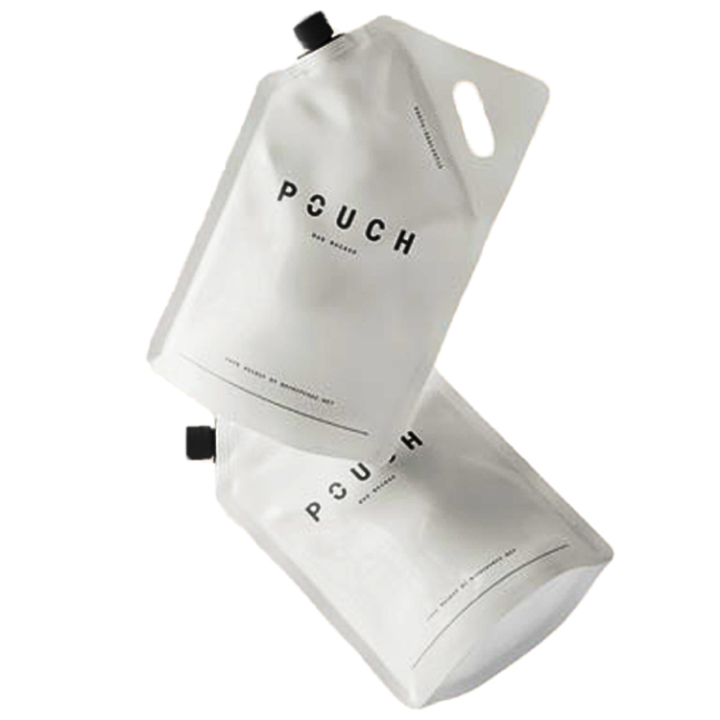
Modern flexible packaging relies on advanced polymer blends that fuse strength with elasticity. By co-extruding multiple layers—each engineered for specific barriers—manufacturers now create films that resist punctures, block moisture, and maintain seal integrity even under extreme temperatures. These innovations move far beyond single-material limitations, ensuring contents stay fresh and protected from production all the way to the consumer’s hands.
At the heart of reliability is the shift toward high-performance barrier coatings. Nano-thin aluminum oxide or silicon oxide layers, applied through precision deposition, replace thicker foils while delivering superior oxygen and light protection. This not only reduces material usage but also allows for clearer, more appealing package designs without compromising shelf stability—addressing both functional demands and consumer transparency expectations.
Additive technologies have also transformed sealant layers. New heat-seal formulations activate at lower temperatures and bond aggressively through contaminants like oils or powders, virtually eliminating leak-prone weak points. Combined with intelligent adhesives that self-heal minor micro-cracks, today’s flexible packages sustain rugged distribution cycles while keeping product integrity intact—making material failure a rarity rather than a calculated risk.
Customizing bag designs for diverse liquid products
Designing bags for liquids goes far beyond picking a material and shape. Every product, from creamy detergents to thin solvents, interacts differently with its packaging. A bag that works perfectly for cooking oil might fail for a harsh industrial chemical. This means factors like chemical resistance, seal integrity, and even how the liquid flows during filling must be carefully matched to the specific contents.
We approach each project by first understanding the liquid's characteristics: viscosity, volatility, and potential for degrading materials. That insight drives choices in film structure, spout design, and barrier layers. For instance, a glossy finish might look great but cause issues if the product contains aggressive surfactants. By customizing every element, from the inner layer to the closure, we ensure the package not only holds the product safely but also maintains its quality and extends shelf life.
Sustainability without compromise: reducing waste in liquid packaging
Liquid packaging has long been a source of frustration for anyone trying to live more sustainably. The layers of plastic, foil, and paper that keep our juices and milks fresh are notoriously difficult to recycle, often ending up incinerated or in landfills. But a quiet revolution is underway, driven by material scientists and packaging engineers who refuse to accept the old trade-off between product protection and planetary health. Instead of simply reducing material use—which can compromise shelf life—they’re rethinking the entire structure of cartons and pouches, creating mono-material designs that maintain barrier properties while being fully recyclable in existing streams.
What makes this shift truly compelling is that it doesn’t demand sacrifice from consumers. You still get the same convenience, the same long-lasting freshness, but the package you toss into the bin now has a real chance at a second life. Brands adopting these solutions are finding that sustainability, when woven into the product’s DNA, becomes a quiet expectation rather than a premium feature. The real magic happens in the supply chain: lighter, smarter packaging reduces transportation emissions, and waste reduction begins long before a carton reaches your fridge. It’s a systems-level change that feels effortless on the shelf.
Behind the scenes, the pressure is mounting to scale these innovations without greenwashing. Independent lifecycle assessments and real-world recycling tests are becoming the norm, replacing vague claims with hard data. The most forward-thinking companies are even designing packaging that can circulate within regional reprocessing systems, acknowledging that a recyclable package is only as good as the infrastructure that handles it. This pragmatic focus—on local solutions, verified outcomes, and genuine material simplicity—is quietly raising the bar for the entire industry, proving that reducing waste doesn’t mean reducing quality or convenience.
Smart filling technologies that speed up your production
Modern filling lines come packed with sensors and adaptive controls that adjust on the fly. Instead of stopping for minor variations in container size or product viscosity, the system reads the situation and tweaks pressure, speed, and volume without human intervention. This continuous self-correction slashes downtime and keeps throughput high, even when packaging formats change multiple times a shift.
What truly separates quick fillers from the rest is how they handle product switchovers. Traditional setups eat up hours of cleaning and calibration. Intelligent filling platforms remember your recipes, swap valve configurations automatically, and guide operators through rinse cycles with precision. The result? A handful of minutes between product runs instead of half a shift, letting you jump on rush orders and seasonal surges without flinching.
Navigating international standards for liquid bag exports
Exporting liquid bags means stepping into a maze of regulations that differ dramatically from one region to the next. What passes muster in one country may face outright rejection in another, not because of the bag’s quality, but due to mismatched documentation or overlooked material specifications. The real art lies in mapping these requirements early, before a single consignment leaves the warehouse.
Many shippers get caught out by assuming that a generic “food-grade” or “UN-certified” label covers all bases. In practice, authorities look far deeper—testing protocols, stacking strength, even the ink used for printing. A flexible bulk container cleared for non-hazardous liquids in Europe might need additional migration testing for the same product bound for Southeast Asia. The smart approach treats compliance not as a one-time hurdle but as a moving target, adjusting specifications from order to order.
Building a repeatable process matters more than memorizing the latest regulation. Leading exporters tie their internal quality checks directly to the specific standards of the destination market, then document every step. When a customs hold turns into a detailed conversation instead of a costly delay, it’s often because the paperwork already tells a complete, verifiable story about the bag’s journey from raw film to final fill.
FAQ
Chinese manufacturers combine advanced production lines with cost-effective labor, enabling high-quality flexible liquid bags at competitive prices. They also offer extensive customization and rapid scalability, often delivering orders faster than competitors in other regions.
Flexible liquid bags reduce storage space when empty, lower shipping costs due to lighter weight, and minimize waste disposal volume. They often integrate better with modern dispensing systems, though they require careful handling to avoid punctures in rugged environments.
The food and beverage sector, chemical industry, and pharmaceutical companies frequently use these bags. Bulk wine, edible oils, industrial adhesives, and liquid detergents are common applications where the bags' barrier properties and cost efficiency shine.
Yes, when manufactured with appropriate multi-layer films. Food-grade bags use FDA-compliant inner layers to prevent leaching, while chemical-resistant variants incorporate materials like EVOH or aluminum foil to contain aggressive substances without degradation.
Buyers can specify dimensions, fill and discharge fittings, spout types, and even branding prints. Options range from simple pillow bags to complex aseptic bag-in-box systems with integrated taps, stand-up pouches, or conductive liners for flammable liquids.
Reliable producers use multi-layer co-extrusion or lamination, followed by rigorous leak testing on each batch. Advanced heat-sealing technology and reinforced stress points prevent failures, while materials are selected to balance flexibility with puncture resistance.
Growing demand has pushed many Chinese manufacturers to develop mono-material PE bags that are fully recyclable or incorporate post-consumer recycled content. Some suppliers also offer biodegradable films, though these are best suited for short shelf-life products.
Essential certifications include ISO 9001 for quality management, ISO 22000 or FSSC 22000 for food safety, and specific ones like UN certification for dangerous goods. For EU or US markets, ensure the supplier holds relevant migration tests and FDA or EU 10/2011 compliance documents.
Conclusion
China's packaging liquid bag industry is reshaping global supply chains by offering lightweight, collapsible containers that slash shipping costs and storage space. Unlike rigid alternatives, these flexible giants adapt seamlessly to diverse liquids—from industrial chemicals to premium beverages—thanks to advanced material science. Multi-layer films integrating nylon, EVOH, and metallized barriers create robust shields against oxygen and moisture, while breakthroughs in puncture resistance and seal integrity have turned skeptical logistics managers into converts. Customization is another frontier: spout placements, handle configurations, and anti-sloshing baffles are tailored to specific product viscosities and pouring rituals, marrying functionality with brand identity.
Sustainability sits at the core of this revolution, as manufacturers dramatically reduce plastic consumption through thinner yet stronger films and champion closed-loop recycling schemes for post-industrial waste. Meanwhile, smart filling lines equipped with RFID-guided nozzles and automated capping systems are cutting labor costs and minimizing product exposure, meeting the hygiene demands of food-grade exports. To navigate the complex web of international standards—from FDA and EU regulations to UN dangerous goods certifications—Chinese producers are investing in accredited testing labs and traceability platforms. This convergence of material ingenuity, eco-conscious design, and compliance agility positions the liquid bag not just as a packaging option, but as a strategic asset for any business aiming to move fluids efficiently across borders.
Contact Us
Contact Person: Cindy Lee
Email: [email protected]
Tel/WhatsApp: 8613622669331
Website: https://www.dgkody.com