

Best Roller Door Supplier: How to Choose a Reliable & High-Quality Provider
2025-12-20
Choosing the best roller door supplier isn’t just about price—it’s about long-term reliability, safety, and performance. Yet with so many claims of ‘high quality’, how do you separate genuine expertise from empty promises? Whether you're outfitting a warehouse or upgrading your garage, the wrong choice can lead to costly repairs and security risks. That’s why we’ve put together this no-nonsense guide, and we’ll show you why FANSI stands out in a crowded market. Ready to make an informed decision? Let’s dive into the essentials.
What Really Defines a Dependable Roller Door Supplier?
Reliability in a roller door supplier isn't just about having a flashy catalog or a quick sales pitch. It’s baked into the small details that only surface over time—how they handle an urgent call on a Sunday afternoon, or whether their installation team cleans up after themselves. A truly dependable partner understands that a door isn't just a product; it's a crucial part of your daily operations, and any downtime ripples through your business. They invest in thorough site assessments before quoting, ask questions about your usage patterns, and never oversimplify the challenges your specific environment presents.
You can often spot a solid supplier by the longevity of their relationships, both with clients and with their own staff. Low turnover and long-term contracts suggest a depth of expertise that can't be faked. These suppliers stock critical spare parts locally, not just in a distant warehouse, and they remember that your particular locking mechanism needs a little extra care. When something does go wrong (and in the world of moving parts, it eventually will), their response isn't a faceless ticket number but a familiar voice who already knows the layout of your premises.
Beyond the hardware, dependable suppliers act as genuine advisors. They’ll tell you when a repair can extend the life of your existing door instead of pushing an unnecessary replacement. Their warranties aren’t riddled with hidden exclusions, and their aftercare doesn’t evaporate once the final invoice is paid. This blend of honest counsel, technical resourcefulness, and a slightly obsessive attention to service logistics is what separates the ones who just sell doors from the ones who keep your business moving.
Spotting Red Flags in Supplier Claims
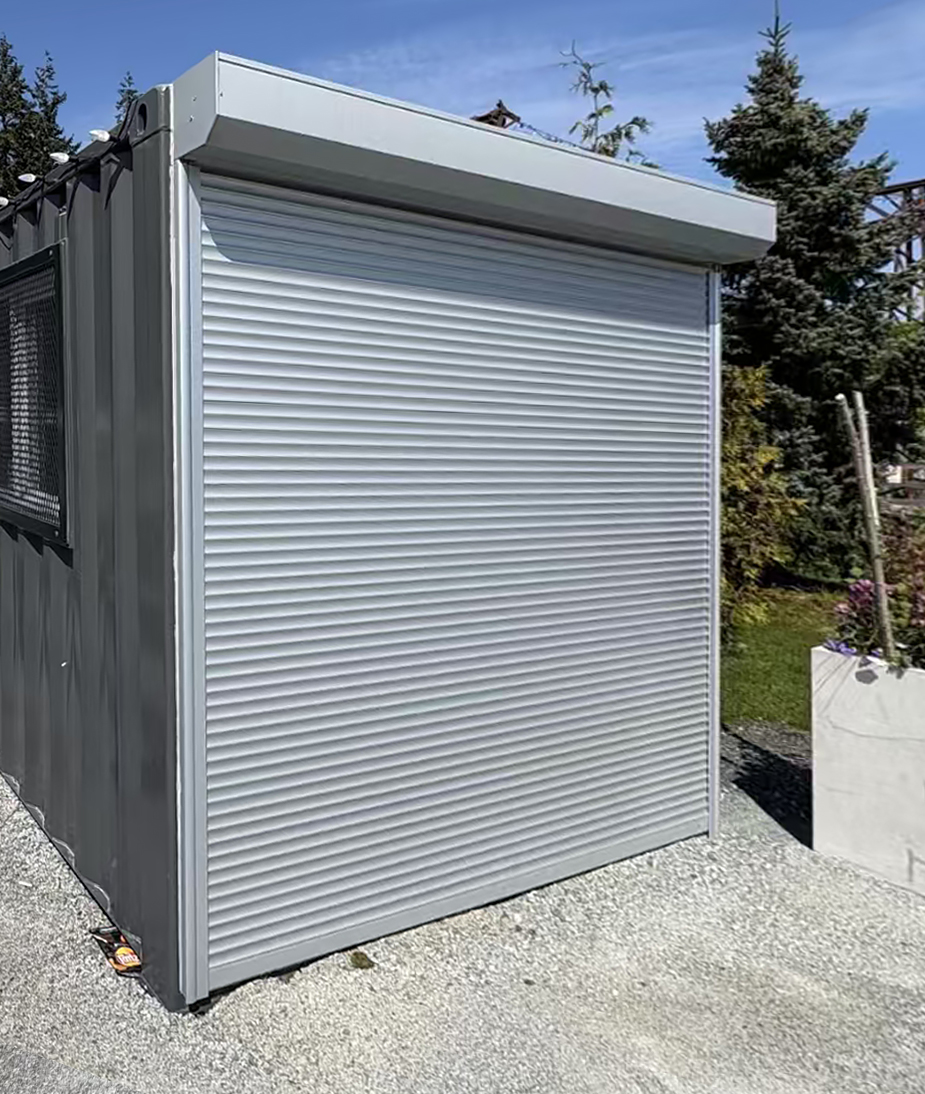
When a supplier's pitch sounds more like a fairy tale than a business proposal, it's time to sharpen your senses. Overpromising on delivery timelines, offering prices that undercut the market by a suspicious margin, or claiming capabilities that seem too broad for a single outfit—these are all quiet alarms. Genuine suppliers often speak with a measured confidence, not a desperate eagerness to agree to every demand without a second thought.
Watch for evasions that feel like stage magic. A trustworthy partner will have no trouble providing verifiable references, certifications, or a transparent look into their production process. If they deflect simple questions about quality control, dodge requests for samples, or stumble when you ask about past client experiences, you're likely staring at a fabricated veneer. Another tell is the language of finality: words like 'guaranteed' without any contractual backing, or a history that seems oddly convenient—every client apparently left them only because they 'outgrew' the relationship.
Financial whispers can also betray a shaky foundation. Requests for large upfront payments, an unwillingness to use secure payment methods, or invoices that don't match the agreed terms are as bright as brake lights. Very often, the most dangerous claims are not the obvious lies but the half-truths wrapped in professionalism. A supplier who is consistently unavailable for calls, yet always responds to chats during odd hours, might be hiding more than a packed schedule. Trust what you verify, not what you hear in a polished sales deck.
Why After-Sales Support Can Make or Break Your Decision
You might fall in love with a product's features upfront, but what happens when something goes wrong a month down the line? That’s when the real test begins. If reaching customer service feels like shouting into a void or you’re met with scripted apologies and zero solutions, all that initial excitement curdles into regret. A solid after-sales experience, on the other hand, turns a one-time buyer into someone who actually trusts the brand enough to come back.
Think beyond repairs and returns. After-sales support shapes how you feel about your entire purchase long after the unboxing. It’s the friendly voice that walks you through setup without making you feel clueless, the replacement part that arrives faster than expected, the warranty that doesn’t dissolve into fine print excuses. These moments stick, and they quietly tip the scales next time you’re comparing similar options.
Plenty of companies chase the sale but neglect the follow-through, and it shows. You see it in delays, half-hearted responses, and policies designed to protect their margins instead of your peace of mind. That’s why wise shoppers factor in what happens after the money leaves their pocket—because a great deal isn’t great if you’re left stranded when you need help most.
Material Quality Isn’t Just About Thickness
When evaluating materials, many instinctively equate thickness with durability, but that’s a narrow view. A thinner fabric with a tight, high-density weave can outperform a thicker, loosely constructed one in tear and abrasion resistance. The arrangement of fibers and the bonding between them often matter more than the raw bulk, as they dictate how stress is distributed across the surface.
Coating and finishing treatments add another layer of complexity. A slender material treated with advanced polymers may repel water, resist UV damage, and maintain flexibility, while an untreated thick counterpart stiffens and deteriorates quickly. It’s the chemical backbone and surface engineering, not just heft, that determine how a material weathers real-world use.
Ultimately, quality is a balance of tensile strength, elasticity, and resilience. A lightweight composite can absorb impacts and bounce back without deforming, whereas a heavier material might crack under similar stress. Smart design leverages material science to achieve the needed performance without unnecessary weight, proving that thickness is merely one variable in a much broader equation.
How Local Insights Shape Better Roller Door Solutions
In coastal communities, salt-laden air corrodes standard roller doors within a few years, leading to frequent replacements. We've learned from talking to property owners in these areas that a powder-coated aluminum construction, combined with stainless steel hardware, dramatically extends the door's lifespan. This kind of region-specific adjustment simply isn't on the radar for companies relying on one-size-fits-all catalogues.
Urban neighborhoods often demand a balance between security and aesthetics. Through years of installing doors in historic districts, we noticed that bulky industrial shutters clashed with architectural guidelines and actually attracted break-in attempts by signaling valuable contents. The solution was a slimmer, high-tensile steel profile that matches the local vernacular while offering superior resistance to forced entry—something that emerged from direct feedback, not a corporate checklist.
Temperature swings in high-altitude regions present another challenge. Standard torsion springs stiffen in extreme cold, causing operational failures when you least want them. Listening to maintenance crews in mountain towns pushed us to develop a sealed bearing system with temperature-stable lubricants, ensuring smooth operation year-round. It's a perfect example of how on-the-ground experience drives practical innovation.
Planning for Long-Term Performance, Not Just Today’s Price
In the rush to capitalize on short-term price movements, many sellers overlook the profound impact of customer lifetime value. A transaction settled at a discount today can ripple outward for years, shaping how buyers perceive your brand and whether they return. Instead of scrambling to match a competitor's flash sale, consider the compounding effect of a loyal customer who trusts your pricing integrity over time. The true cost of a quick win is often invisible in the moment, buried in lost repeat business and referrals that never materialize.
Building for long-term performance means designing offers that sustain healthy margins while giving customers reasons to stay. This could involve tiered loyalty pricing, bundled services that grow in value, or simply refusing to play the race-to-the-bottom game. When you anchor your strategy in lasting relationships rather than fleeting transactions, price becomes a signal of quality and reliability, not just a number on a screen. The market rewards consistency and patience far more than it rewards desperation.
It's also worth remembering that today's price-driven buyer can mature into tomorrow's premium client—if you give them a pathway. That pathway isn't built by slashing prices to unsustainable levels; it's paved with experiences that demonstrate your product's worth beyond the initial cost. By prioritizing long-term performance, you're not just protecting your bottom line, you're cultivating a business model that can withstand market cycles and shifting fads.
FAQ
Dig into their track record with projects similar to yours. Check how they handle custom sizes or unusual openings, because not all doors fit standard frames. Ask about the materials they source—galvanized steel thickness, spring cycle ratings, and motor duty cycles if you’re going electric. A low upfront cost often masks corners cut on these details.
Request a site visit before quoting. A skilled installer will note floor unevenness, side clearances, and headroom limitations rather than just taking measurements. Ask if they provide on-site training for your staff after installation, and whether they’ll adjust limit switches and safety sensors during handover.
Watch for vague lead times or reluctance to share references from jobs completed over two years ago. If they can’t name the specific brand of motor or spring they use, that’s a warning. Also, pushy sales tactics like limited-time discounts often indicate they’re clearing slow-moving stock.
Local doesn’t always mean better, but it does mean faster access to replacement panels and hardware. Ask where critical parts like curtain slats and bottom rails are made. If the supplier stocks common components rather than ordering everything from overseas, repair lead times drop from weeks to days.
Look at wind-load ratings for your area and check if the door has been tested to EN 13241-1 or equivalent standards. Request spec sheets showing the number of open/close cycles the springs are rated for—10,000 is minimum for light use, 25,000+ for frequent cycling. Powder coating thickness and warranty periods for rust perforation tell you a lot too.
Beyond a basic warranty, they should have a service team capable of emergency call-outs within 24 hours. Ask if they keep logs of your door’s usage for predictive maintenance. If they offer an annual inspection that includes tension checks and lubrication, it’s a sign they care about long-term performance rather than just the initial sale.
Create a standard request form listing minimum steel gauge, wind class, cycle life, and safety features. When quotes come back, check if any use lighter gauge steel to undercut competitors. Force them to break down the cost by material, motor, and installation so you can spot where one is cheaper but flimsier.
Inquire about the presence of a torque limiter or anti-fall device—these prevent the curtain from crashing down if a spring snaps. Check that photoelectric sensors stop the door immediately when an obstacle is detected, and ask about manual override procedures during a power cut. A supplier who glosses over these hasn’t got their priorities right.
Conclusion
Finding a roller door supplier you can actually trust goes far beyond glossy brochures and competitive quotes. The real measure of dependability lies in a proven track record—look for companies that openly share case studies, client references, and documented performance data, not just generic sales promises. Watch out for suppliers who dodge technical questions or push a one-size-fits-all solution without understanding your needs; these are often signs that their claims lack substance. Equally critical is what happens after installation. A supplier that offers attentive, responsive after-sales support—routine inspections, fast emergency repairs, and clear communication—can save you from disastrous downtime. And don’t be fooled by claims of “heavy-duty” materials based solely on thickness. True quality comes from precision engineering, high-grade alloys, protective coatings, and meticulous manufacturing that ensures your door withstands daily wear without warping or jamming.
Local expertise is another factor that’s easy to overlook but deeply impactful. A supplier familiar with your region’s weather patterns, building codes, and common installation challenges will recommend doors that perform reliably in coastal salt air, heavy winds, or extreme temperature swings. They’ll also navigate permit processes more smoothly, avoiding costly delays. Finally, shift your perspective from initial price to long-term value. A cheap door that needs constant repairs or reduces operational efficiency will cost far more over a decade than a well-built system with minimal maintenance. The best suppliers will help you calculate total cost of ownership and plan for durability, energy efficiency, and future scalability—treating your investment as a partnership, not a one-off sale.
Contact Us
Contact Person: Liam
Email: [email protected]
Tel/WhatsApp: (+86)16658531012
Website: https://www.fansifiredoor.com