

Best Conveying Systems: A Complete Guide to Efficient Material Handling
2026-05-12
When it comes to moving materials efficiently, the right conveying system can make or break your operation. From dusty mines to pristine food plants, the backbone of production often lies in how smoothly goods travel from point A to B. But with so many options—belt, roller, chain, and more—how do you choose the ideal setup for your needs? In this guide, we’ll explore the essentials of material handling conveyors, spotlighting innovations from Fanchang Machinery that are quietly transforming the industry. Get ready to discover how the right system can slash downtime, boost safety, and keep your workflow humming.
The Hidden Workhorses of Modern Industry
Walk through any factory floor and your eyes inevitably track the big machines—the robotic arms, the conveyor belts, the towering presses. But what keeps those giants moving hour after hour are things you barely notice: bearings the size of a fingernail, seals that hold back caustic chemicals, power supplies nestled in dusty cabinets. They don’t have dashboards or flashy interfaces, yet a single failure among them can halt an entire production line. It’s a strange kind of invisibility, where the most critical parts are the ones nobody talks about.
Maintenance teams know the drill. They’ll swap out a worn coupling before it shears, or recalibrate a sensor no one’s looked at in years. These are the routines that prevent midnight breakdowns and million-dollar downtime. What’s remarkable is how much trust we place in components that rarely get a second thought—filters quietly trapping debris, cables carrying signals through electromagnetic chaos, simple threaded fasteners that somehow never loosen. When they work, they’re forgotten. And that’s exactly how it should be.
The real unsung heroes might be the materials: a high-performance elastomer that survives a hundred thousand cycles without cracking, or a lubricant that keeps its viscosity through brutal temperature swings. Engineers will obsess over these details for months, knowing full well that nobody will ever see the results—just the absence of failure. That’s the quiet deal behind modern manufacturing. The flashy stuff gets the attention, but the hidden pieces make it all possible.
Matching the Right Conveyor to Your Materials
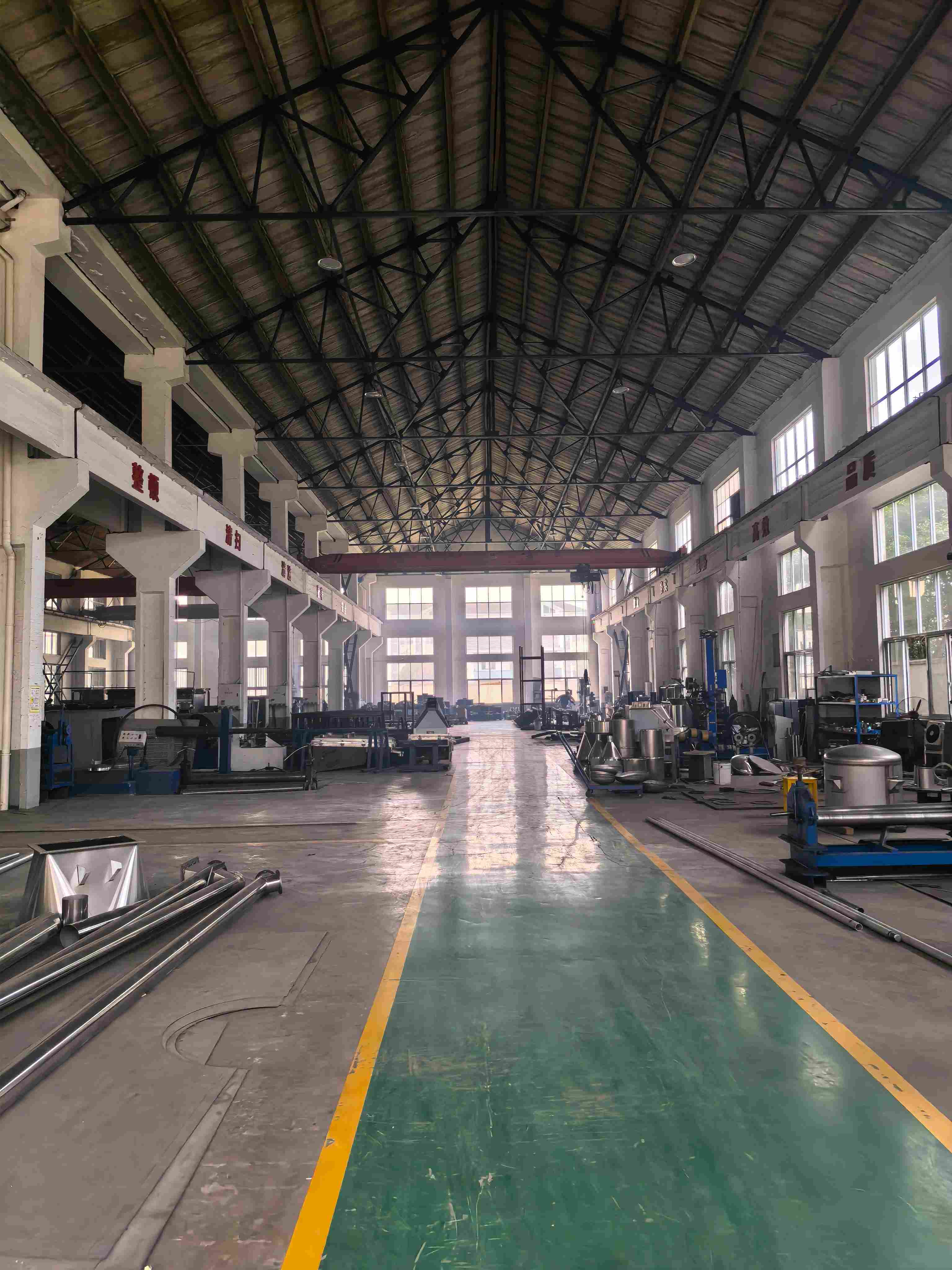
Selecting a conveyor isn’t just about moving things from point A to point B—it’s about how the material behaves during that journey. A fine, sticky powder demands a completely different approach than jagged scrap metal or fragile glass bottles. Start by really observing the material: does it clump, cling, or cake? Is it abrasive enough to chew through standard belts? Dusty or damp? These traits dictate whether you need sealed screw conveyors, gentle belt curves, or tough cleated belts that can handle impact. Overlooking them often leads to jams, excessive wear, and a headache no amount of maintenance can fix.
Beyond the material itself, think about temperature swings, chemical exposure, and the environment your system will live in. A hot, abrasive ash calls for heat-resistant belts and dust-tight housings, while corrosive chemicals rule out standard steel components entirely. Even particle size distribution matters: wide variations may demand wider belts or specialized sidewalls to prevent spillage. The goal is to match the conveyor’s construction—its belt material, trough shape, speed, and drive—to the material’s quirks, so the handling practically designs itself.
When Efficiency Meets Longevity: Maintenance Secrets
Regular upkeep doesn’t have to be a drain on your time. Small, consistent actions—like wiping down seals, checking fluid levels, and listening for unusual sounds—can prevent the kind of wear that quietly eats away at performance. It’s less about following a rigid schedule and more about building a rhythm that syncs with how you actually use your equipment. When you tune into these subtle cues, you catch issues before they turn into costly repairs, keeping systems humming for far longer than expected.
The trick often lies in sweating the small stuff. A misaligned belt, a slightly clogged filter, or a bolt working itself loose might not seem urgent, but each sends ripples through the whole machine, forcing parts to compensate in ways they weren’t designed for. By addressing these tiny rebels early, stress distributes evenly, energy waste drops, and components age gracefully together rather than forcing one weak link to bear the brunt. This attention to detail transforms maintenance from a chore into a form of mechanical etiquette.
Materials matter more than most realize. Choosing the right lubricant for the right environment—not just what’s convenient—can drastically cut internal friction. Surfaces treated with appropriate protectants fend off moisture, corrosion, and thermal fatigue. Even the simple act of storing gear out of direct sunlight or in a dry spot preserves seals and prevents brittleness. These choices compound over time, quietly extending the lifespan of machines while keeping their daily operation buttery smooth.
Navigating the Maze of Conveyor Types
Walking into a modern facility, you'd be forgiven for feeling a bit lost among the belts, rollers, and chains snaking through the production floor. Each conveyor type seems to speak its own language—some hum quietly while others clatter with purpose, and picking the wrong one can throw a whole operation off balance. It’s not just about moving things from A to B; it’s about understanding the subtle quirks that make one system perfect for fragile electronics and another a beast of burden for heavy pallets.
The real trick lies in matching the machine to the material’s personality. A belt conveyor might seem like a safe bet until you realize your oily metal parts would send it sliding into chaos, while a vibrating trough could turn your delicate pastries into crumbs before they’ve left the room. Even within a single category, the variations are endless: modular plastic belts that bend around corners, magnetic sliders that cling to tin cans, or silent motorized rollers that practically disappear into the background. Getting it right means watching, listening, and sometimes learning the hard way.
Many fall into the trap of over-engineering, piling on features that only complicate maintenance without real benefit. Others cling to what they know, missing out on newer designs that could slash downtime or handle that one odd-shaped product that always jams the line. The best approach is to start with the product in hand—literally feel its weight, surface, and fragility—and then trace the path it needs to take, noting every incline, speed change, and transfer point. There’s no universal answer, just a better question: what does your stuff need to dance, not just travel?
Small Tweaks That Unlock Massive Throughput Gains
Even a slight adjustment to how your application handles database connections can lead to dramatic results. By fine-tuning the connection pool size to match actual workload patterns—rather than relying on default settings—you can eliminate the overhead of constant connection creation and teardown. This alone often cuts average response latency in half and lets the same hardware handle significantly more requests per second.
Another area ripe for quick wins is memory allocation. Many systems suffer from unnecessary garbage collection pauses because temporary objects are created in hot code paths. Replacing these short-lived allocations with pre-allocated buffers or object pools takes minutes to implement and immediately stabilizes throughput, especially under high concurrency. The impact is most visible in languages with managed runtimes, where a single mistaken allocation inside a loop can throttle the entire process.
Finally, don't underestimate the power of reordering seemingly trivial operations. In network‑heavy services, batching outgoing requests or switching from sequential to concurrent outbound calls can shrink end-to-end processing time from seconds to milliseconds. These micro-optimizations aren't flashy, but cumulatively they transform a system that stumbles under load into one that glides effortlessly through peak traffic.
Future-Proofing Your Material Flow
Rigid conveyor lines and fixed storage layouts might handle today’s volumes, but they crumble when product mixes shift or demand spikes unexpectedly. Future-proofing starts with modular equipment that can be reconfigured over a weekend, not a fiscal quarter. Think movable sorter units, adjustable racking, and autonomous mobile robots that adapt routes on the fly—systems that let you reshape flow paths without welding or major downtime.
Beyond hardware, the real leverage comes from clean, accessible data. Sensors feeding real-time throughput metrics into a simple dashboard allow operations teams to spot bottlenecks before they choke the line. Pair that with machine learning trained on your historical cadences, and you get gentle nudges—like suggesting a schedule shift to avoid a recurring Tuesday logjam—rather than another panic rebuild. The goal isn’t just survival, but building a flow that gets smarter the more it’s used.
FAQ
Conveying systems are mechanical setups designed to move materials—from raw components to finished goods—across a facility without constant human effort. They matter because they slash labor costs, reduce handling damage, and keep production lines running smoothly. In many industries, a well-chosen conveyor turns a chaotic floor into a streamlined operation.
Start by looking at what you're moving: its weight, shape, fragility, and whether it's loose or packaged. For heavy pallets, roller conveyors often work; for small items that need sorting, modular plastic belts give flexibility. Also think about speed, incline, and environment—dusty or wet areas need sealed, corrosion-resistant designs. Run a few test batches if you can before finalizing your pick.
Usually yes, if you're moving enough volume. Automation cuts ongoing labor and error rates, and modern systems are modular, so you can start small and scale. The payoff often comes within a couple of years through faster throughput and fewer bottlenecks. Just make sure your layout and product mix won't shift drastically in the near future.
Overlooking floor space and flow is a big one—tight curves or mismatched heights cause jams. Others include ignoring future growth needs, skimping on training for operators, and picking the lowest bid that uses cheap belts or drives. Always plan the entire route, factor in maintenance access, and test both full and empty loads before committing.
Regular visual checks catch most issues early—look for belt drift, loose fasteners, and unusual noise. Set up a simple schedule: weekly lubrication of bearings, monthly tension checks, and quarterly inspection of motors and sensors. Keep spare belts and common wear parts on hand. A well-documented log helps you predict when components need swapping out.
They tie together islands of activity—think of it as building a steady river instead of isolated ponds. By controlling feed rates and routing, conveyors prevent pile-ups at packing stations and keep machinery fed uniformly. Combined with smart sensors, they can even divert products on the fly, soaking up temporary surges without manual intervention.
Conclusion
Conveying systems may not grab headlines, but their silent, continuous motion underpins everything from assembly lines to bulk material transport. The real challenge lies in pairing the right conveyor with the specific traits of your materials—abrasive grit, sticky aggregates, or fragile components all demand tailored belt materials, inclines, and transfer designs. Ignoring these details leads to jams, spills, and premature wear that quietly drain productivity. Beyond selection, the way a system is maintained often separates a reliable operation from a costly liability. Simple, consistent practices like tracking belt tension, monitoring bearing temperatures, and scheduling inspections during planned downtime don’t just extend equipment life; they prevent the micro-stoppages that cascade into hours of lost throughput. Small adjustments, such as refining chute angles or adjusting scraper pressure, frequently yield double-digit efficiency improvements without major capital outlay.
Exploring the wider landscape of conveyor types—from troughed belts and vibrating pans to pneumatic tubes and motor-driven rollers—reveals that no single design fits every scenario. Each configuration comes with unique strengths in speed, containment, and directional flexibility, making the selection process a strategic exercise rather than a simple catalog pick. Looking ahead, the integration of smart sensors and variable-speed drives allows systems to adapt in real time to fluctuating loads, cutting energy usage while maintaining peak flow. The future of material handling isn’t about chasing a single breakthrough; it’s about building layered resilience through incremental upgrades, where every component works in concert to keep materials moving predictably, safely, and with minimal human intervention.
Contact Us
Contact Person: Darye WANG
Email: [email protected]
Tel/WhatsApp: 86-13501017897
Website: https://www.fcntd.com/