

Best BIB Bag in Box: Your Ultimate Guide to Freshness and Convenience
2026-05-16
Ever opened a bag-in-box only to find stale contents or a leaky mess? Freshness and convenience shouldn’t be a gamble—especially when you’re serving drinks at a party or storing bulk ingredients for your café. The humble BIB (Bag in Box) has quietly revolutionized how we think about storage, but not all are created equal. Enter Kody, a brand that turns this everyday packaging into an art form. In this guide, we’re peeling back the layers on what makes the best BIB bag in box truly stand out, and why Kody’s innovation might just change your mind about pre-packaged liquid solutions forever.
Freshness That Lasts: Unpacking the Bag-in-Box Advantage
A bag-in-box system isn’t just clever packaging—it’s a quiet revolution in how we keep liquids fresher, longer. Instead of letting air rush in every time you pour, the flexible inner bag collapses around the remaining contents, shielding them from oxygen and light. This simple barrier means that wine, juice, or even cooking oils maintain their just-opened character for weeks, not days, without the race to finish the bottle.
What makes the design truly stand out is its unassuming efficiency. The sturdy outer box protects the delicate bladder from punctures, while the tap or spout allows precise pours without glugging or splashing. There’s no need to wrestle with corks or worry about sediment; every glass is as clean and consistent as the first. It’s a practical, space-saving solution that fits neatly into a fridge door or a pantry shelf, yet it’s robust enough for bulk storage in busy kitchens.
Beyond the kitchen, the advantage extends to sustainability without compromising on quality. Since the packaging uses less material than rigid bottles and lightweight inner bags, it reduces shipping weight and energy use. For anyone who values both freshness and a smaller footprint, it’s a quiet win. The bag-in-box simply keeps what’s inside tasting as intended—no rush, no waste, just honest preservation that lets you savor at your own pace.
Effortless Pouring Every Time: The BIB Convenience I Swear By
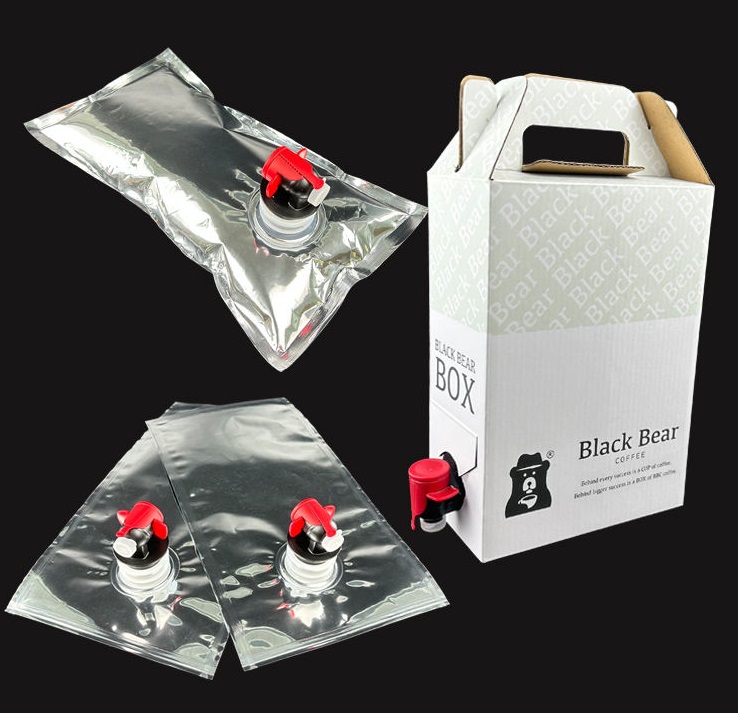
I used to dread pouring from those big, unwieldy containers—the kind where you’re tipping a heavy jug and praying nothing splashes onto the counter. Then I switched to a bag-in-box system, and it honestly changed my daily routine. The spout lets me dispense exactly what I need with zero mess, whether I’m filling a small cup or a large pot. No more awkward balancing acts or wasted drips; it just works, every single time.
What really sold me is how natural the motion feels. There’s no need to lift the entire weight; the bag inside collapses as you pour, so the flow remains steady from first drop to last. I can do it one-handed while holding a bowl or multitasking, and there’s no fumbling with caps or seals. It’s the kind of simple design that makes you wonder why every liquid product hasn’t adopted it yet.
Beyond the convenience, I’ve noticed my ingredients stay fresher longer because the bag prevents air from sneaking back in. That means less waste and a cleaner fridge. After months of using it, I can’t imagine going back—it’s one of those small upgrades that genuinely makes kitchen tasks feel lighter.
Finding Your Perfect BIB Match: A No-BS Guide
Stop obsessing over price tags or brand hype. A bib that fits doesn’t pinch your shoulders when you’re hunched over the bars, doesn’t ride up your thighs mid-ride, and feels almost invisible after the first ten minutes. Grab a few options, do a living room test—bend forward, pedal imaginary circles, and see if the chamois stays put. If you’re constantly tugging at straps or squirming in the saddle, that bib isn’t your match.
Most riders discover their true bib soulmate by accident. It’s rarely the most expensive pair or the one with wild graphics. Pay attention to the small stuff: strap width, leg gripper placement, and chamois density. A bib that works for your riding buddy might be a torture device for you. Forget about matching your frame color or chasing ultralight fabrics—comfort is the only metric that matters.
Keep It Fresh: Storage Hacks for Your Bag-in-Box
That bag-in-box you picked up for the party doesn't have to turn into vinegar after a couple of days. The real trick is understanding how oxygen interacts with the flexible bag inside. Unlike bottles, these containers don't leave behind a big air gap after pouring—so air sneaks back in every time you use the tap, slowly stealing the vibrant taste. Most people just shove the box onto a counter, but a small shift in your habits can stretch that fresh taste well beyond what you'd expect.
First, ignore the impulse to display it on a sunny shelf. Heat and light are enemies; a cool, dark pantry corner works wonders. If your fridge has space, even better—cold slows oxidation dramatically. But here's the hack nobody talks about: after you pour, gently press out any excess air from the bag before resealing the tap. This cuts down the oxygen that floats inside, preserving the wine's personality. If the box feels bulky, transfer the inner bag to a narrower container—like a pitcher—so it stays snug and upright, minimizing surface area and keeping every next glass as good as the first.
The Green Side of Bag-in-Box: Less Waste, More Taste
Bag-in-box packaging quietly redefines sustainability without sacrificing what matters most: flavor. The collapsible bag inside keeps air out after each pour, so the last glass tastes as vibrant as the first. This design naturally extends shelf life, meaning less liquid gets tossed. Meanwhile, the cardboard shell uses fewer raw materials than rigid containers, and its lighter weight cuts shipping emissions. It's a humble system that lets you enjoy every drop while feeling a little lighter on the planet.
Beyond the obvious reduction in packaging bulk, bag-in-box sidesteps the hefty carbon toll of glass bottles. Transporting dense, breakable glass burns fuel; these slim, stackable boxes flip that equation. And once empty, they flatten into a small footprint for recycling or even repurposing. There's no need for elaborate caps or corks, just a simple tap that keeps things clean. It's the sort of practical thinking that turns everyday habits into quiet acts of care.
Taste, too, gets a surprising boost from this eco-minded shift. Without glass, there's no risk of cork taint or oxidation from a half-empty bottle. The airtight bag adapts to the volume inside, coddling the contents in a protective hug. That means delicate notes stay forward, whether you're pouring a crisp white or a robust red. It's proof that greener choices can actually elevate the experience, pulling you away from the notion that sustainability means sacrifice.
When Things Go Wrong: Quick Fixes for BIB Problems
Race bibs have a way of betraying you at the worst possible moment—you're at the start line, adrenaline pumping, and suddenly you notice a tear creeping from a safety pin hole. Or worse, you left the bib at home, pinned to yesterday's shirt. Don't panic. For a torn bib, grab some medical tape or even a band-aid from your first-aid kit. Reinforce the back side where the pin ripped through, then re-pin gently through a fresh spot. If you’re completely bib-less, ask a volunteer if there are extras; many races keep a stash for last-minute registrants. As a last resort, write your number on your arm or leg with a permanent marker—just make sure it’s visible and legible so chip timing mats still work.
Pins popping off mid-run can turn into a flapping, chest-slapping annoyance. If you feel one give way, tuck the loose corner into your waistband or sports bra strap temporarily. At the next aid station, grab a couple of safety pins from the medical tent—volunteers often have them for emergencies. If no pins are available, use the twist tie from your energy gel or tear a strip of adhesive tape from your race number’s edge to create a makeshift loop. It won’t be pretty, but it’ll hold until the finish line.
Electronic timing chips embedded in bibs can also cause trouble, especially if you bend or fold the bib. A creased chip might not register at checkpoints, which could leave you with an incomplete result. Smooth the bib flat as soon as you notice any crinkling, and avoid keeping it in a pocket or crumpled belt. If you cross a mat and don’t hear the beep, tell the nearest official—they can manually log your time. After the race, check your results promptly; most timing companies can adjust a missed scan if you describe your outfit and approximate split times.
FAQ
It’s a smart packaging duo: a collapsible inner bladder inside a sturdy cardboard box. The bladder has a tap or spout; as you pour, the bag collapses, preventing air from getting in. This keeps your drink free from oxidation and contamination, so every glass tastes freshly tapped.
BIB wins on three fronts: it saves fridge space (the box can sit on a shelf), pours silently without the glug-glug, and the airtight seal means opened wine or juice stays enjoyable for weeks, not days. Plus, it’s a party lifesaver—no cork, no mess.
Absolutely. Keep the box in a cool, dark spot—even a pantry is fine if the room doesn’t heat up. Once opened, store it valve-side down to keep the tap from drying out. If you’re not using it daily, a quick wipe of the tap with a clean cloth prevents sticky buildup that can affect the seal.
For everyday home use, look for a tap that’s easy for kids and grandparents to operate—one-handed lever styles are great. For camping or catered events, a durable, leak-proof spout and a reinforced box that survives bumps are non-negotiable. Also, check if the bag lining is BPA-free if that’s a priority for your family.
Plenty! The empty bladder makes a handy ice pack for coolers—just rinse, fill with water, and freeze. The cardboard box is perfect for organizing socks, craft supplies, or as a shipping box for small gifts. Some gardeners even use the opened box as a weed barrier under mulch.
Start by easing out the pre-scored tap flap without tearing the carton. Pull the spout gently, lock it into place, and always double-check the connection is snug before the first pour. After refilling, if you’re using a reusable tap, rinse it with warm water and let it air dry. A tiny bit of food-grade silicone grease on the O-ring once a year keeps everything smooth.
On the whole, yes. The lightweight design means less fuel burnt in transport, and many components are recyclable—corrugated cardboard breaks down easily, and some bladders are made of recyclable PE. Even better, you discard less product because it stays fresh longer, so food waste shrinks. It’s a win-win that works quietly in the background.
A big one is forgetting to remove the perforated punch-out completely before opening the tap—that little tab can block the spout and cause a messy eruption. Another is tilting the box like a milk jug; BIBs pour best when set flat. Also, don’t try to squeeze the last drops by pressing the box—just let gravity do its job.
Conclusion
I remember the first time I tapped a wine bag-in-box and realized I'd been settling for oxidized leftovers. The Bag-in-Box advantage is all about the airtight bladder that collapses as you dispense, blocking out oxygen completely. That means a box of wine, coffee, or even olive oil stays noticeably fresher for weeks longer than an opened bottle. Pouring is another delight—no tilting heavy bottles, no spilling, just a smooth, controlled stream every time. When you're choosing your own BIB, forget the marketing fluff. Focus on the tap quality, the material of the inner bag, and the format that fits your usage pattern. A well-matched BIB virtually eliminates the little frustrations that used to come with bulk buying.
Storage is key: I keep mine in the pantry, away from direct light and heat, and once opened, I make sure the tap is clean and dry. For longer life, some BIBs even do better in the fridge, especially with delicate liquids. The environmental angle is undeniable—less packaging waste, lower carbon footprint in transport, and the whole thing is often recyclable. It feels good to cut down on single-use plastics without sacrificing quality. And when something does go wrong, like a tap refusing to flow or a slight leak, most fixes are brilliantly simple: tighten the tap, check the bag's position, or give the nozzle a quick clean. Once you've tried a reliable BIB, it's hard to go back to old-school containers.
Contact Us
Contact Person: Cindy Lee
Email: [email protected]
Tel/WhatsApp: 8613622669331
Website: https://www.dgkody.com