

BESS Technology Providers: What to Look for in a Battery Energy Storage Partner
2026-11-26
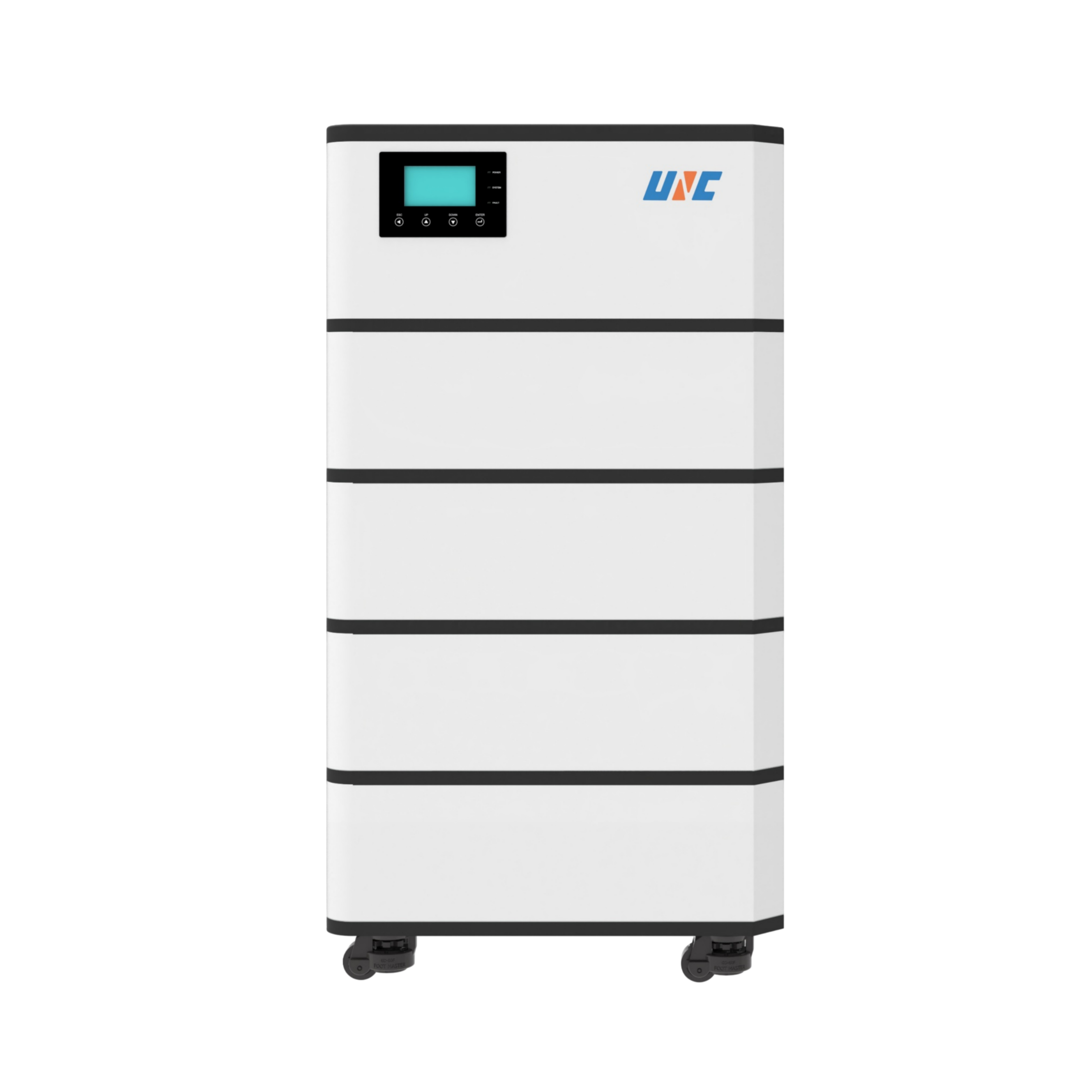
Choosing a battery energy storage provider isn’t just about comparing datasheets—it’s about finding a partner who can navigate grid challenges, supply chain shifts, and evolving safety standards without losing sight of your project’s economics. As the BESS market expands, the gap between vendors promising uptime and those actually delivering it has never been wider. This guide unpacks what really separates dependable storage partners from the rest, and why teams like UNC are changing the way developers evaluate long-term system value.
The Projects They Don't Put on the First Slide
The first slide is a highlight reel, and everyone in the room knows it. What gets left out is usually the stuff that actually shaped the work: the pilot that lost users, the integration that collapsed twice before anyone understood the data model, the feature that was quietly killed after three months of weekend fixes. These are not failures in the clean sense. They are projects that made sense in the moment and stopped making sense later, which makes them hard to narrate but easy to learn from.
The hidden projects tend to carry the decisions nobody wants to defend on a summary slide. Their timelines are uneven, their metrics are embarrassing at first glance, and their endings rarely fit a neat story arc. Yet they are where people learned which assumptions were fragile, which stakeholders actually had influence, and how much technical debt a team could carry before the next deadline snapped. None of that looks good next to a polished growth curve.
When a team admits these projects exist, the conversation changes. It stops being about proving traction and starts being about explaining judgment. The projects that never make the first slide are often the reason the ones on the first slide work at all. They hold the false starts, the overruns, and the compromises that later get framed as strategy. Ignoring them may make a presentation cleaner, but it also makes the picture incomplete for anyone who has to build the next version.
Who Answers When Performance Falls Short
When a quarterly target slips or a project misses its deadline, the first question is rarely what broke down but who is going to explain it. Too often, the person expected to answer is the frontline manager or the most junior owner of a workstream, even when the real causes sit upstream in resourcing, shifting priorities, or unclear expectations.
The useful version of accountability is not a single name on a slide. It is a chain of owners who can speak to different layers: the person closest to the work describes what they saw, the middle manager explains trade-offs, and the executive clarifies what their decisions signaled. When that chain is missing, answers become defensive and vague.
In teams that handle shortfalls well, who answers is settled before the numbers arrive. There is a known owner for each metric, a standing rhythm for review, and enough psychological safety that people can say we bet on the wrong assumption instead of hiding behind jargon. That turns a performance gap from an inquisition into a working session.
Integration Without Handing Over Your Plant's Keys
Traditional integration projects stall when the only path forward is a set of admin credentials and a promise that nothing will go wrong. A better approach keeps the plant floor in control: the external system gets read-only access to selected OPC UA tags, outbound-only connections through a DMZ, and time-boxed service accounts that expire without someone remembering to disable them. Operations teams can see exactly which data leaves the site, and nothing can be written back unless a local engineer explicitly approves it.
This doesn't mean useful work gets blocked. Maintenance planners can pull vibration histories and shift reports into their CMMS, quality teams can correlate batch parameters with lab results, and finance can model energy spend from live utility meters. Those use cases run on a clear permission model: role-based access, asset-level scoping, and audit trails that show who touched what, when, and through which interface. The plant keeps the keys; the integration simply extends a controlled window into the data it already owns.
Security reviews go faster when the architecture avoids domain admin accounts, inbound firewall holes, and shared service passwords. Instead, the integration layer sits at the edge, publishes only agreed data sets, and rotates credentials automatically. If a vendor relationship ends or a device becomes compromised, access can be cut at the integration boundary without disrupting production systems. That is the whole point: connect what needs to be connected, and leave the plant's authority where it belongs.
Safety Engineering That Holds Up Under Inspection
Field inspections tend to reward designs that anticipate scrutiny before it arrives. Weld maps, torque logs, and material traceability usually matter less for the brochure and more for the engineer who has to answer questions at the handover. The work holds up when every fastener choice, corrosion allowance, and load path has a documented reason that can survive a second opinion.
A practical approach is to build the inspection record alongside the safety case rather than after it. When a guardrail height or an interlock logic is finalised, the supporting calculation and test reference should land in the same file. That habit removes the scramble later and keeps small discrepancies from turning into expensive rework.
It also helps to treat inspectors as verifiers, not adversaries. Clear drawings, accessible panels, and honest notes about residual risk tend to shorten the review because they remove guesswork. Safety engineering that holds up is often less about perfect documents and more about leaving an unambiguous trail from hazard identification to the control that closes it.
Controls That Fit the Way Your Team Actually Works
Rigid controls tend to survive only as long as the team has time to work around them. Here, permission levels map to the way your group already divides responsibilities, whether that means a flat structure, project pods, or a clear owner for every decision.
You can grant just enough access for someone to push an update, pull a report, or invite a guest without exposing unrelated data. When a team shifts priorities or a new person joins mid-sprint, the settings change in seconds instead of waiting through a round of approval emails.
The point is not to build a wall between your team and the work. It is to make the safe path feel natural, so the right people move quickly while the wrong actions stay out of reach.
What the First Five Years of Ownership Look Like
The first year rarely matches the brochure in your head. You spend more weekends than expected at the hardware store, learning how a toilet flapper works or why a downspout carries more water than it should. Some of it feels like progress, but a fair amount is just triage, and the pride of getting a door to close properly can easily outweigh the bigger plans you had for the place.
By year three or four, the house starts to reveal its less visible habits. You notice which walls hold heat in summer, where the floor slopes just enough to make a rolling chair drift, and which systems are quietly approaching the end of their useful life. Spending shifts from cosmetic fixes toward unglamorous replacements like a water heater or an aging HVAC component, and you begin to understand why older owners talked about maintenance as a monthly reality rather than a one-time project.
The fifth year often brings a quieter kind of confidence. You stop chasing a showroom look and start arranging rooms around the way you actually live, even if that means a dining table covered in school papers most weeks. The mortgage balance moves a little more in your favor, and the neighborhood feels less like a backdrop and more like a place you belong. You still keep a list of repairs, but it no longer surprises you.
FAQ
Cell chemistry and system architecture reveal far more than a glossy datasheet. Look at round-trip efficiency under real operating conditions, depth of discharge limits, and thermal behavior at high ambient temperatures. A provider that shares degradation curves and field data is usually more credible than one that only quotes nameplate capacity.
Substantial weight. With lithium-based systems, cell sourcing and qualification processes directly affect delivery timelines and long-term performance. Ask where cells are manufactured, whether the provider has multiple qualified suppliers, and how they handle batch traceability. A single-source arrangement can stall a project if demand spikes.
Specialists bring integration experience across the whole DC and AC chain, not just installation. They understand battery management system tuning, inverter coordination, and grid interconnection requirements. If a provider cannot explain how their system behaves during frequency regulation or islanding, that is a red flag.
Beyond the standard UL 9540A test report, ask about fire suppression design, gas detection, and emergency response plans. Providers with operational experience can describe real incidents and how their systems contained them. Certifications matter, but they should not be treated as a substitute for a coherent safety philosophy.
The software determines whether you capture revenue from arbitrage, ancillary services, or demand charge management. You want a provider whose platform allows schedule optimization and real-time monitoring without requiring constant manual intervention. Ask for a live demo with actual site data rather than a polished interface.
Look for an energy throughput warranty tied to actual operating conditions, not just a time-based guarantee on paper. Clarify how degradation is measured, who pays for replacement labor, and whether the provider offers performance guarantees with liquidated damages. Vague language around normal use often creates disputes later.
Not necessarily. Many strong integrators use cells from established manufacturers and add value through packaging, thermal design, and controls. What matters more is whether they take responsibility for the entire system rather than pointing fingers at component suppliers when something fails.
Request reference sites of similar size and use case, then speak directly with owners or operators. Ask about commissioning delays, forced outages, and how responsive the provider was after handover. Site visits reveal details that case studies leave out.
Conclusion
A track record only matters if it includes the messy details that never make the first slide. Ask a BESS technology provider about projects that underperformed, missed deadlines, or needed unexpected fixes after commissioning. The way they describe those situations, and the people they name as responsible for resolving them, tells you more than any polished case study. Look for a partner who can point to specific performance shortfalls and explain how their engineering and service teams closed the gap without shifting blame to the grid, the installer, or the owner.
Equally telling is how a provider approaches plant integration, safety, and the daily reality of running the asset. The right partner can connect to existing plant systems without demanding full control, and their safety design should withstand close review from independent engineers and insurers. Their controls should adapt to your operators' routines rather than forcing new workflows, and the documentation should reflect that instead of generic assumptions. Finally, ask what the first five years actually look like: warranty response times, augmentation plans, spare parts availability, and the cost of keeping the system at its promised availability. Those ownership details reveal whether a vendor is selling hardware or taking responsibility for long-term performance. That distinction becomes visible well before contract signature.
Contact Us
Contact Person: Manager Leng
Email: [email protected]
Tel/WhatsApp: 8613764878967
Website: https://www.unc-energy.com